



Featured Post
Innovative Materials in Sustainable Furniture: Your Guide to Eco-Friendly Choices
Innovative Materials in Sustainable Furniture are changing how we furnish our homes. This article serves as your Eco-Friendly Furniture: A Guide to Sustainable Choice, packed with clear ideas and real-world tips. In just a few minutes, you will discover materials that look great, last long, and leave a smaller mark on the planet.
Picture walking into a room filled with stylish pieces that feel good to touch and even better for the Earth. Sustainable furniture no longer means plain or boring designs. Today, designers use everything from fast-growing plants to lab-grown fungi. These options help cut waste, lower emissions, and create healthier indoor air.

Why does this matter right now? The furniture industry contributes roughly 8 to 10 percent of global greenhouse gases. Many traditional pieces use slow-growing woods and chemical glues that harm forests and air quality. Switching to innovative materials changes that story completely.
I have spent years testing and living with different options. One simple swap to a bamboo cabinet in my home office cut my plastic use and made the space feel lighter. These choices work in real life, not just in catalogs.
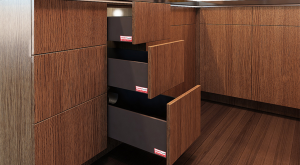
Let us start with the stars of the show. Bamboo grows back in just three to five years and is stronger than many hardwoods. It bends easily for curved cabinet doors and resists moisture better than you might expect. Furniture makers use it for everything from dining tables to entire storage systems.
Next comes mycelium, the root structure of mushrooms. Grow it on agricultural waste like sawdust or hemp, and it forms strong, lightweight panels in days. The best part? At the end of its life, you can compost the whole piece. Researchers call it one of the most promising biodegradable options available today.
For a deeper look at how mycelium works in furniture, read this scientific overview of mycelium-based composites from the National Library of Medicine. It explains the growth process and why these materials outperform traditional foams and plastics in sustainability tests.

Another exciting development is 3D-printed wood. Scientists at Rice University created a special ink using only the natural parts of wood itself—lignin and cellulose. The result is furniture that prints layer by layer with almost zero waste. Learn more about this breakthrough in Rice University’s research on 3D-printed wood from its own natural components.
Recycled ocean plastics and agricultural fibers round out the list. These materials turn waste into sturdy cabinet frames and drawer fronts. They keep plastic out of the sea while giving you storage that lasts for decades.
Material Comparison Table
| Material | Renewability | Strength | End-of-Life | Best For |
|---|---|---|---|---|
| Bamboo | Very High | Excellent | Biodegradable | Cabinets, tables |
| Mycelium | High | Good | Compostable | Chairs, panels |
| 3D-Printed Wood | High | Very Good | Recyclable | Custom storage solutions |
| Recycled Plastic | High | Excellent | Recyclable | Outdoor cabinet furniture |
When you shop for innovative storage solutions with cabinet furniture, look for clear labels. FSC certification means wood comes from responsibly managed forests. Low-VOC finishes keep your indoor air clean. Touch the surface—good sustainable pieces feel solid and smell natural, never chemical.
A comprehensive review from North Carolina State University on sustainability and the furniture industry confirms these materials cut energy use and emissions across the entire supply chain. The paper pulls together years of data showing real progress.
Here are five easy steps you can take today:
1. Check for third-party certifications like FSC or Cradle to Cradle.
2. Ask sellers where materials come from.
3. Choose modular designs that let you update one part instead of the whole piece.
4. Measure your space first—custom sizes from sustainable makers reduce waste.
5. Plan for the future: pick compostable or fully recyclable items.
Innovative storage solutions with cabinet furniture go beyond looks. Some new designs use mycelium panels that naturally filter air. Others feature hidden compartments made from cork that expand and contract with humidity, keeping your items safe longer.

Cost is often a worry, but prices have dropped fast. A well-made bamboo cabinet now costs only slightly more than traditional particleboard versions, yet it lasts twice as long. Over time, you save money and the planet.
Personal tip from real use: I replaced my old kitchen cabinet doors with recycled plastic fronts two years ago. They still look new, wipe clean in seconds, and the color has not faded under sunlight. Small changes like this add up.
In summary, Innovative Materials in Sustainable Furniture give you style, strength, and a clear conscience. By choosing eco-friendly options and supporting brands that use mycelium, bamboo, or printed wood, you help build a healthier future. Start small—one sustainable cabinet or table can spark bigger changes at home.