



Featured Post
Integrating Modern Furniture into Classic Interiors
Integrating modern furniture into classic interiors is like mixing two different flavors that somehow taste better together. Classic interiors bring ornate details, rich colors, and a sense of history, while modern furniture offers clean lines, simplicity, and practicality. The trick is finding a way to make these styles work as a team. Here’s how to do it.
Start with a Neutral Base Classic interiors often have standout features—think crown molding, vintage wallpaper, or dark wood floors. To make room for modern furniture, start with a neutral base. Paint walls in soft whites, warm grays, or light beiges. This gives both styles space to shine without clashing.
- Tip: If your classic room has bold patterns or dark tones, lighten them up. A fresh coat of paint can turn a busy space into a calm backdrop.
Use Modern Furniture as Accents Modern furniture works best when it plays a supporting role in a classic room. Instead of filling the space with sleek pieces, pick one or two to stand out. A minimalist armoire or a modern chair can add a fresh twist without overpowering the traditional vibe.
- My Experience: In my dining room, I kept the antique table and chandelier but added modern upholstered chairs. The chairs’ simple design keeps things light, while the table holds that classic charm.
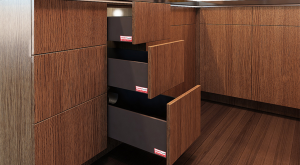
Highlight Minimalist Armoires for Modern Interiors An armoire is a great piece for blending styles. Classic armoires are big and fancy, but minimalist armoires for modern interiors bring the same storage with a simpler look. They fit right into a traditional space while adding a modern edge.
- Why It Works: The clean lines and neutral finishes—like matte black or natural wood—don’t fight with classic details. They just quietly do their job.
- How to Pick One: Go for an armoire with no extra frills. Skip shiny handles or bold colors that might feel out of place.
Balance Scale and Proportion Classic furniture can feel heavy, while modern pieces are usually lighter and sleeker. To make them work together, think about size. Pair a big classic item with a smaller modern one, or the other way around.
- Example: A tall, old-fashioned bookshelf looks great next to a low, modern sofa. The difference in height keeps things interesting.
- Tip: Try a 2:1 mix—two classic pieces for every modern one—to keep the room feeling balanced.
Add Modern Textiles and Accessories You don’t need big furniture to bring in modern style. Textiles and accessories—like pillows, rugs, or art—can do the trick. Go for simple patterns or solid colors that nod to modern design.
- My Experience: I tossed a few gray, geometric pillows onto a classic plaid couch. It softened the old pattern and made the room feel more current.
- Tip: Stick to neutral tones so the accessories don’t steal the show from your classic pieces.
Tie It Together with Color Color can connect classic and modern elements. Traditional rooms love deep shades like red or blue, while modern furniture often sticks to grays or whites. Find a color that shows up in both and use it to link them.
- Example: If your classic rug is navy, grab a modern lamp or chair in a matching shade. It pulls the room together.
- Tip: Don’t overdo it—use the color in small doses to keep things subtle.
Light It Up with Modern Fixtures Lighting is a sneaky way to add modern style. A simple pendant light or a slim floor lamp can freshen up a classic room without taking over.
- Why It Works: Lighting is useful and pretty, so it fits in without making a fuss.
- How to Choose: Pick fixtures with basic shapes in metal or glass. Skip anything too wild that might clash.
Mix Materials Smartly Classic rooms use wood, fabric, and brass. Modern furniture loves glass, metal, and leather. Mix them carefully to keep things smooth.
- Example: A classic wooden coffee table with modern metal chairs works because the materials play off each other.
- Tip: Limit yourself to three materials in one room so it doesn’t feel messy.
Pick a Focal Point Every room needs something to grab attention. When blending styles, choose one piece—classic or modern—to star in the show.
- Example: In a classic bedroom with carved wood trim, I hung a modern mirror as the centerpiece. It stands out but doesn’t fight the room.
- Tip: Add a light or a rug to spotlight your focal point.
Keep Function in Mind Modern furniture often brings practicality to the table. Use that to your advantage in a classic space.
- Example: A minimalist armoire can hide a TV or store extra blankets, keeping the room tidy and stylish.
- Tip: Look for pieces that do double duty to get the most out of your space.