


Featured Post
Maximizing Small Spaces: Home Office Edition
Hey there, fellow remote worker! If you've ever struggled to fit your entire home office into a corner of your living room or bedroom, you're not alone. In this article, we'll explore practical strategies to maximize small spaces without sacrificing productivity. Whether you're working from a compact apartment or a tight bedroom nook, these tips will help you set up a functional workspace that feels spacious and supports long hours of focus.
Creating a Productive Home Office on a Budget doesn't require a huge investment. You can transform small areas into efficient zones with smart choices like compact desks and storage solutions. This guide shares real-world advice from my own experience setting up my tiny home office, which now feels twice as big and far more enjoyable to work in.
Let's start with the basics of How to Optimize Your Home Office. First, identify your available space. Measure your room carefully – even a 5x5 foot corner can work wonders if you think vertically. I learned this the hard way when I initially crammed everything into one spot and felt overwhelmed by clutter. Now, I use wall-mounted shelves and lean toward furniture that multi-tasks.
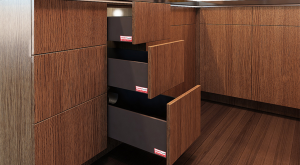
One of the smartest moves is maximizing vertical space. Tall bookshelves or floating shelves above your desk free up floor area while keeping supplies organized and out of sight. I added a tall cabinet in my small bedroom office, and it instantly doubled my storage without eating up more ground. These ideas come straight from reliable sources like the University of Pennsylvania's Home Office Ergonomics guide, which emphasizes neutral posture and smart placement to prevent strain.

When it comes to office furniture with adjustable features, these are game-changers for small spaces. Look for desks and chairs that adjust in height, arm position, and even tilt. A sit-stand desk, for example, lets you switch positions throughout the day, which is proven to reduce fatigue. According to the CDC's guide on Working from Home, varying your posture regularly helps prevent musculoskeletal discomfort – a huge win for anyone in a tight setup.
I picked an adjustable standing desk after struggling with back pain from my old fixed-height table. It cost less than $250 and pays off every single day. Pair it with a chair that has lumbar support and flip-up armrests. These features not only save space but also keep you comfortable during long video calls or deep-focus work sessions.
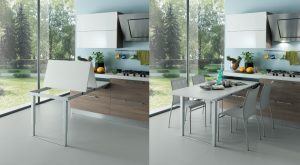
For budget-conscious creators, the key to Creating a Productive Home Office on a Budget is smart sourcing and multi-functional pieces. Thrift stores yield hidden gems like second-hand ergonomic chairs that already have the right adjustments. Or, opt for IKEA-style compact desks that fold when not in use. I once bought a wall-mounted folding desk for under $100 – it disappears when I'm done, giving my living room back. Add a small rolling cart for supplies if needed, but keep it minimal to avoid clutter.
According to Cornell University ergonomics expert Alan Hedge, cited in Wirecutter's advice on cramming a home office into a small apartment, your desk should be at least 28-30 inches high and deep enough for your essentials. This simple rule makes a massive difference in small spaces.
How to Optimize Your Home Office also means lighting and organization. Natural light from a window is gold – if you lack it, use a clip-on lamp with a warm white bulb. I added a monitor arm that frees up desk real estate and keeps my screen at eye level. Cable management is essential too: use clips to hide wires behind the desk leg. These steps prevent the common pitfalls of tiny offices, like tripping hazards or visual overload.
Don't forget about your chair – it's the unsung hero of small-space offices. A basic office chair with adjustable features can cost $50-$150 and transform your setup. Choose one with five-star wheels for easy movement and a mesh back for breathability. In my experience, this prevents the sore back I used to get from generic dining chairs.
For even more space, consider a corner desk that uses 90-degree angles perfectly. These designs often include built-in storage shelves, turning your awkward corner into a full workstation.
Here's a quick comparison table to help you choose:
| Desk Type | Space Efficiency | Budget Range | Best For |
|---|---|---|---|
| Wall-Mounted Folding | High | $80-$150 | Tiny apartments |
| Corner Desk | Medium-High | $100-$200 | Open-plan rooms |
| Compact Rectangular | Medium | $50-$120 | Bedroom nooks |
| Adjustable Sit-Stand | High | $150-$400 | Long workdays |
This table draws from real user feedback and expert recommendations for maximizing small spaces.
In the end, your home office is more about mindset than square footage. With office furniture with adjustable features and clever tricks, you can create a space that boosts your focus and reduces stress. I started small and gradually upgraded – from basic thrift finds to my current ergonomic setup. The result? More energy for work and less frustration in a cramped area.
Personal insight: When I first tried to work in my closet-turned-office, I felt restricted. Switching to a vertical setup changed everything. Now, I recommend starting with one adjustable piece, like a great chair, and building from there.

To wrap it up, maximizing small spaces for your home office is totally doable with the right approach. Focus on vertical storage, adjustable office furniture with adjustable features, and budget-friendly hacks. You'll end up with a productive workspace that feels expansive and supports your best work. Start today – even one change can make a huge difference!