



Featured Post
Mid-Century Modern Design Essentials: Timeless Style for Today's Homes
Mid-Century Modern Design Essentials bring together clean lines, functional forms, and natural materials from the 1950s and 1960s. This guide shows you the core principles, highlights unique sofa shapes and designs, and shares practical ways to add these timeless pieces to your home. You will discover how the right furniture creates spaces that feel both fresh and familiar.
I first fell in love with mid-century modern style while hunting for a new sofa ten years ago. What started as a search for comfortable seating turned into a passion for furniture that combines beauty with everyday usefulness. The best part about Mid-Century Modern Design Essentials is how they focus on simple ideas that still feel exciting today.

Mid-century modern design emerged after World War II when designers wanted to create homes for the growing middle class. They rejected heavy Victorian styles in favor of light, airy spaces. Furniture became smaller to fit new suburban homes but maintained high quality. Think of the Eames lounge chair or the sleek sofas with exposed wood frames. These designers believed form should follow function, meaning every piece needed to look good and work well.
The movement drew inspiration from European modernists who came to America. Names like Charles and Ray Eames, Arne Jacobsen, and Florence Knoll shaped the look we still admire. What makes this style special is its optimism. The clean lines and organic curves reflect a belief in a better future. Today, these designs remain popular because they adapt easily to different homes.
Several key features define Mid-Century Modern Design Essentials. First, clean lines dominate. You will notice straight edges mixed with gentle curves rather than busy details. Second, designers celebrated natural materials. Walnut, teak, oak, leather, and wool appear often. These materials age beautifully and develop character over time.
Third, legs matter. Many pieces feature tapered or splayed legs that lift furniture off the floor. This creates an open, airy feeling in rooms. Fourth, colors tend to be earthy or bold. Think warm wood tones, mustard yellow, teal, and burnt orange. These hues add personality without overwhelming the space.
Function remains central. Storage pieces like sideboards hide clutter while looking elegant. Modular seating allows you to rearrange rooms easily. The best designs solve problems while looking effortless. When I redesigned my living room, these principles helped me create a space that feels calm yet interesting.
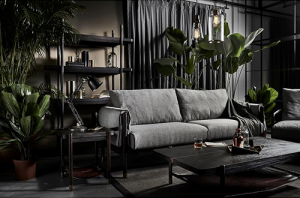
No discussion of Mid-Century Modern Design Essentials would be complete without talking about sofas. The unique sofa shapes and designs from this era continue to influence furniture makers today. Unlike bulky traditional sofas, mid-century versions sit low to the ground and feature slim profiles.
One popular style features a single continuous cushion with thin arms and exposed wood bases. Another design uses a tufted back with rounded arms that seem to float above the frame. The famous marshmallow sofa by George Nelson uses individual round cushions arranged in a row. These unique sofa shapes and designs make strong statements while remaining comfortable for daily use.
When choosing a sofa, look for quality construction. Hardwood frames last longer than those made from softwood or metal. Cushions should use high-density foam wrapped in down or similar materials for comfort that lasts. The best sofas have removable cushions for easy cleaning.

I learned this lesson the hard way. My first mid-century sofa purchase was beautiful but poorly made. Within two years, the cushions sagged and the joints loosened. Now I always check for dovetail joints and ask about the frame material. A good sofa becomes an investment that brings joy for decades.
Beyond the sofa, several other furniture pieces define the style. Lounge chairs with matching ottomans create perfect reading nooks. The Eames molded plastic chairs work beautifully around dining tables. Credenzas and sideboards offer storage with style. These pieces often feature sliding doors, tapered legs, and interesting wood grain patterns.
Lighting plays an important role too. Pendant lights with cone or globe shapes hang gracefully over tables. Table lamps with ceramic bases and fabric shades provide warm light. Do not forget about coffee tables. Many feature kidney bean or triangular shapes that add visual interest without taking too much space.
Here are five essential furniture items for starting your collection:
- A statement sofa with clean lines and quality upholstery
- Two matching lounge chairs for conversation areas
- A wooden coffee table with interesting shape
- A sideboard or credenza for storage and display
- At least one iconic chair, such as a molded plastic or leather shell chair
Mixing these pieces creates rooms that feel collected rather than matching. The goal is harmony, not uniformity. You can combine different wood tones if they share similar undertones. Pair a leather sofa with fabric chairs for interesting texture contrast.
Research from the Museum of Modern Art's design studies shows how mid-century designers focused on democratizing good design. They wanted beautiful objects available to everyone, not just the wealthy. This philosophy still guides many contemporary makers who produce quality furniture at different price points.
According to insights shared by the Cooper Hewitt Smithsonian Design Museum, the integration of indoor and outdoor spaces defined much of mid-century architecture and furniture design. Large glass walls called for furniture that would not block views or feel heavy.

Bringing Mid-Century Modern Design Essentials into contemporary homes requires some thought. Start small if you feel nervous about commitment. A single statement piece like a unique sofa can transform a room. Keep walls neutral so the furniture becomes the star. Add texture through rugs, throws, and plants.
Measure carefully before buying. Many classic pieces have specific proportions that work best in certain spaces. Consider traffic flow. The open feel of mid-century rooms depends on proper spacing between furniture.
You can mix mid-century furniture with other styles successfully. Pair a vintage sofa with contemporary art. Combine a modern rug with classic wooden pieces. The key lies in repeating elements like wood tones, leg styles, or color families throughout the space.
Interior designers often suggest starting with the largest piece first. In living rooms, this usually means the sofa. Once you place your sofa with its unique shape and design, other pieces fall into place more easily. Leave room for negative space. Mid-century rooms celebrate what is not there as much as what is.
The American Society of Interior Designers notes that sustainable choices matter when selecting furniture. Look for pieces made from responsibly harvested woods and non-toxic finishes. Many vintage mid-century items already exist, making them inherently sustainable choices.
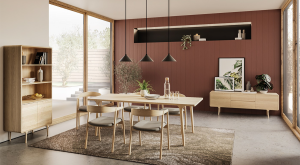
My own dining room features a teak table from the 1960s paired with newer molded chairs. The combination works because both share clean lines and honest materials. Guests always comment on how comfortable and welcoming the space feels. That reaction confirms I made good choices with my Mid-Century Modern Design Essentials.
Several common mistakes can undermine your efforts. Avoid buying reproductions made with cheap materials. They often lack the proportions and durability of originals. Do not overcrowd rooms with too many pieces. The style celebrates openness and light.
Watch out for scale issues. Some people choose pieces that are too small for their space, which creates an unsettled feeling. Others select items with overly bold colors that fight with each other. Start with a limited color palette and add accents carefully.
Maintenance matters too. Clean wood surfaces with appropriate products. Rotate cushions regularly to prevent uneven wear. Address small problems before they become big ones. With proper care, these furniture pieces can last for generations.
Mid-Century Modern Design Essentials continue to inspire because they solve real problems with beauty and intelligence. The unique sofa shapes and designs, thoughtful furniture arrangements, and focus on natural materials create homes that support how we actually live.
Whether you collect original vintage pieces or choose quality reproductions, these design principles help you create spaces that feel personal and timeless. Start with one piece that speaks to you. Build slowly. Pay attention to how the furniture functions in your daily life. The results will reward your patience.
In the end, Mid-Century Modern Design Essentials teach us that good design improves everyday experiences. When you sit on a well-made sofa with beautiful lines, you understand why this style has remained popular for over sixty years. It simply works.