


Featured Post
Office Design Trends for the Modern Workplace in 2026: Create an Engaging and Productive Environment
In 2026, offices no longer feel like cold workspaces. They serve as vibrant hubs for human connection, creativity, and well-being. Office Design Trends for the Modern Workplace now emphasize flexibility, sustainability, and a strong focus on employee health. This shift helps teams thrive in hybrid settings while encouraging presence when it matters most.
The goal remains simple: design spaces that match how people actually work today.

Why Office Design Matters More Than Ever
Hybrid work changed everything. Employees no longer spend every day at a fixed desk. When they come to the office, they expect spaces that support real collaboration, deep focus, and quick recovery. Good office design directly affects how motivated people feel and how much they stay.
I have seen this firsthand. In my previous role, switching from rigid rows of desks to flexible zones cut absenteeism and boosted team morale. People chose to come in because the environment felt supportive rather than restrictive.
Key factors include natural light, comfortable acoustics, and furniture that adapts to changing needs throughout the day. These elements help reduce fatigue and keep everyone energized.
Key Trends Shaping Office Design for the Modern Workplace in 2026
Several powerful trends define the best offices right now. Each one delivers practical benefits that improve daily life and results.
Flexible and Modular Layouts
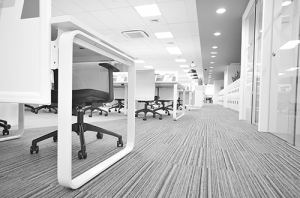
Open floor plans with movable walls give teams the freedom to rearrange quickly. This supports all types of work—focused tasks, group brainstorming, or casual chats. Employees can move between zones in minutes instead of hours.
Biophilic Design with Nature Integration
Bringing plants, natural light, and organic materials into offices creates calm spaces that lower stress. Research shows these elements improve focus and creativity. Look for living walls, indoor gardens, and warm wood finishes. They turn ordinary walls into welcoming backdrops.
Wellness and Human-Centric Features
Wellness now drives every decision. Quiet pods for calls, meditation corners, and wellness lounges help employees recharge. Gender-neutral facilities and on-site gyms add extra care. These touches show employees their health matters as much as their output.
The Role of Office Furniture with Adjustable Features
Nothing transforms a workday like office furniture with adjustable features. Height-adjustable desks let you sit or stand as you need. This simple switch cuts back pain, improves posture, and keeps energy levels high.
My team tested sit-stand desks last year. Within weeks, everyone reported fewer aches and more focus. Adjustable options also include monitor arms and chair heights that fit every body type perfectly. These details make a huge difference for long hours at the desk.
Look for models with smooth electric height controls and one-touch presets. They save time and keep comfort consistent whether you are in a meeting or deep in a report.
Top Furniture Choices for 2026
The right office furniture turns spaces into personalized zones. Here are standout options that deliver real value:
- Height-Adjustable Desks: Electric models with memory settings switch between sitting and standing at the push of a button. Great for all-day use.
- Ergonomic Task Chairs: Models with 4-way adjustable arms, dynamic lumbar support, and breathable mesh backs reduce fatigue during long sessions.
- Modular Storage Units: Cabinets on wheels or wall-mounted shelves let you reconfigure quickly as needs change.
- Acoustic Pods: Soundproof booths designed for hybrid calls keep conversations private and private.
- Multi-Purpose Lounges: Sofas and ottomans double as informal meeting spots or quick recharge areas.
These pieces work together to create environments where people thrive.

How to Choose the Right Furniture for Your Team
Start by observing real usage. Watch how people move and work in your space. Measure needs for both focused and collaborative zones. Test furniture in person if possible—feel the chair and adjust the desk height yourself.
Budget for quality over quantity. Invest in durable, adjustable pieces that last years. Consider sustainability too—look for recycled materials and low-VOC finishes. These choices pay off in reduced replacements and a greener footprint.
Budget-friendly entry points include electric desks around $400-700 and mesh chairs with strong warranties. Premium options from established brands offer lifetime support and easier adjustments.
Quick checklist: - Prioritize adjustability for height, arms, and lumbar - Select breathable materials for comfort - Choose modular designs for easy changes - Test for acoustics and lighting together
Benefits of These Trends for Employees and Companies
Well-designed offices deliver measurable wins. Teams report higher engagement and lower turnover. Productivity rises because people stay longer and work better.
For employers, flexible layouts cut real estate costs. Wellness-focused furniture reduces health claims. Sustainability appeals to modern talent who care about the planet.
I recommend starting with a pilot project—redesign one floor or team area and track results. Small changes often lead to big improvements in morale and output.

Final Thoughts on Office Design Trends for the Modern Workplace
2026 marks the year when office design truly serves people. Flexible layouts, nature-inspired elements, and adjustable furniture create environments that support every need. The result? Happier teams, better collaboration, and spaces that feel like home away from home.
Start small, test what works for your team, and keep adjusting. Your office can become the place everyone looks forward to visiting.