



Featured Post
Office Furniture with Adjustable Features: Boost Your Comfort and Productivity at Work
Office furniture with adjustable features has become a game-changer for workers everywhere. These pieces let you customize your setup to fit your body and the job at hand, whether you're typing, calling, or focusing on reports. The right choices can lower your risk of aches and pains while keeping your mind sharp all day long. In this guide, you'll learn why these adjustable options matter, how they work, and practical steps to pick and use them well.
Many people spend hours every day at a desk. Traditional fixed furniture often forces awkward postures that lead to back pain, sore shoulders, and even tired wrists. Office furniture with adjustable features changes that by letting you move, lift, and tilt items to match your needs. You stay comfortable longer, stay more alert, and actually enjoy your workday instead of fighting your chair or monitor. The best part? You can make these changes without a complete redesign of your office.
Let's look at the many ways office furniture with adjustable features can help. First, consider your chair. A standard office chair might lock you into one position that strains your back after an hour. With an adjustable chair, you can raise or lower the seat so your feet touch the floor comfortably. You can also recline slightly for breaks without losing balance. This small change often stops that mid-afternoon slump before it starts. From my own experience, after switching to an adjustable desk chair, my neck no longer feels stiff by 3 p.m.

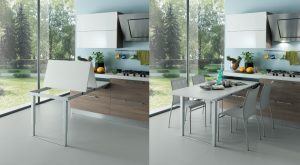
Next, the desk itself. A fixed-height desk works for some, but most of us need more. An adjustable desk lets you switch between sitting and standing modes at the touch of a button or with a simple crank. Standing for 20 to 30 minutes every hour helps your blood flow, burns extra calories, and reduces the chance of deep-vein issues that come from too much sitting. I started with a manual model because the price was right, but now I wish I had gone straight to the electric one. The smooth lifting and lowering make all the difference in your routine.

Monitor placement also plays a big role. An adjustable monitor arm lets you pull your screen closer or farther, and angle it so your eyes stay level with the top. This prevents eye strain and neck tilt that comes from looking down. Many people keep their screens too low or too far, which slowly adds tension. With an adjustable monitor, you set it once and forget it, or tweak it when you move your chair. I tested this on my laptop setup and noticed my vision felt clearer after just a week.

Other helpful pieces include an adjustable keyboard tray and a footrest. The tray slides under or beside your desk so you can rest your wrists during typing without strain. Pair it with a footrest if you need extra support for your legs. All these items work together to create a true office furniture with adjustable features setup that feels custom-made for you.
How do you pick the right office furniture with adjustable features? Start by measuring your space and body. Note your current desk height and the types of chairs you use. Look for quality materials and smooth adjustment mechanisms because cheap ones feel wobbly and break quickly. Read recent reviews from trusted sites like Consumer Reports or ergonomics organizations. I recommend trying before you buy if possible—visit a store or use a return window. Consider your budget because a good adjustable desk often pays for itself in saved doctor visits and happier days.
Setting up and using your new office furniture with adjustable features is simple once you have it. Start at your usual seated height, then slowly raise or lower each piece to find your perfect spot. Take short breaks every hour: stand, stretch, and walk. Test different positions throughout the day and note what feels best. Over time, you may discover you prefer sitting more for focused work and standing for creative tasks. The key is listening to your body and adjusting often.
Many workplaces now offer standing desks and adjustable chairs as standard, yet some employees still choose to bring their own for the perfect fit. If your company provides basics, treat them as a starting point and layer on your own adjustable pieces. This hybrid approach gives you maximum flexibility. From what I have seen, workers who mix company and personal furniture often report higher satisfaction and lower absenteeism due to health issues.
Of course, no single product works alone. Combine an adjustable desk with an adjustable chair, monitor, and keyboard for the best results. You can even add an adjustable lamp and standing mat. All these office furniture with adjustable features pieces work in harmony to support every part of your body and your workflow.
In the end, office furniture with adjustable features is more than a trend—it is a practical way to care for your health while working. You gain comfort, productivity, and peace of mind. Take the first step today by checking your current setup and planning one or two upgrades. Your future self will thank you for the better days ahead.
Ready to transform your workspace? Start small and build from there. Many people begin with just a chair and desk, then add more as they grow accustomed to the comfort. The journey is rewarding and keeps getting better with each adjustment.