




Featured Post
Small Space Living: Furniture Ideas for Tiny Homes
Living in a tiny home or small apartment brings unique challenges and rewards. With limited square footage, every piece of furniture must work harder. Small Space Living: Furniture Ideas for Tiny Homes focuses on smart, multifunctional pieces that blend comfort, style, and practicality. Whether you are in a studio apartment or a compact tiny house, these ideas help you create a welcoming space without feeling cramped.
Many people dream of simpler living but worry about sacrificing comfort. From my own experience downsizing to a smaller urban apartment, I learned that thoughtful furniture choices make all the difference. A well-chosen sofa can serve as seating by day and a guest bed by night. Smart storage turns wasted space into useful areas. The key is selecting pieces that fit your lifestyle while maximizing function.

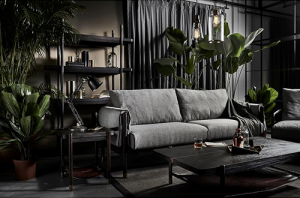
Start with the living area, the heart of any small home. Sofas often take up the most space, so choose wisely. Top 10 Sofa Styles for Modern Homes that work well in tiny spaces include slim armless designs, modular sectionals, loveseats with storage, and convertible sofa beds. These styles keep the room open and airy.
Consider armless sofas or those with narrow arms. They save inches on each side without losing seating capacity. Modular sofas let you rearrange pieces as needed, perfect for changing layouts in small homes. Look for sofas with exposed legs that allow light to flow underneath, making the room feel larger.
Sofa beds remain a top choice for small space living. During the day, they provide comfortable seating. At night, they transform into a full bed for guests or even daily use in studio setups. Many modern versions include hidden storage for bedding, keeping things tidy.

How to Choose the Perfect Sofa for Your Living Space starts with measuring carefully. Note your room dimensions, doorways, and hallways before shopping. Aim for a sofa that occupies about two-thirds of a wall for balanced proportions. Seat depth matters too—around 20-22 inches works well for most people without overwhelming the area.
Think about your daily needs. Do you host guests often? A convertible sofa bed adds versatility. Need extra storage? Opt for models with built-in compartments under the seats. Fabric choice affects maintenance and look—performance fabrics resist stains and wear better in busy small homes.
Personal insight: In my tiny setup, I switched from a bulky traditional sofa to a compact modular one. The difference was immediate—the room felt twice as big, and I could reconfigure it for movie nights or yoga sessions. Multifunctional furniture like this turns limitations into creative opportunities.
Beyond sofas, explore other furniture ideas for tiny homes. Murphy beds or wall-mounted drop-down beds free up floor space during the day. Use ottomans that double as storage and extra seating. Vertical shelving draws the eye upward and keeps items organized without eating horizontal space.
Coffee tables with lift tops or nesting designs provide flexibility. Choose pieces with slim profiles and neutral colors to maintain an open feel. Mirrors and light-colored walls enhance the sense of space when paired with smart furniture.

Here is a quick list of top furniture ideas for small space living:
- Convertible sofa beds: Seating by day, sleeping by night.
- Storage ottomans: Extra seating plus hidden compartments.
- Modular shelving units: Customizable and space-efficient.
- Nesting tables: Flexible surfaces that tuck away.
- Wall-mounted desks: Fold down when needed.
- Slim armchairs: Add seating without bulk.
- Under-bed storage drawers: Maximize vertical space.
These choices help you live comfortably even in under 400 square feet.
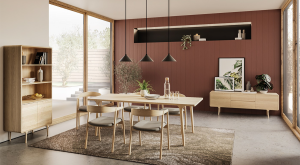
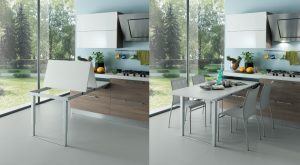
Tables can serve multiple roles too. A dining table that folds against the wall or extends only when needed saves precious room. In tiny homes, zone your space with rugs or strategic furniture placement instead of walls.
Lighting plays a supporting role. Use floor lamps or wall sconces instead of bulky table lamps. This keeps surfaces clear and adds ambiance without taking floor area.
Now, let us talk about keeping your furniture looking great for years. Furniture care tips for long-lasting quality include regular dusting with a soft cloth and immediate spill cleanup. Rotate cushions on sofas to prevent uneven wear. Avoid placing pieces in direct sunlight to stop fading.
For wood furniture, maintain indoor humidity between 35-55% to prevent cracking or warping. Use felt pads under legs to protect floors and allow easy moving. Vacuum upholstery weekly and follow manufacturer guidelines for deep cleaning.
One valuable tip from reliable sources: choose low-formaldehyde products when possible, especially for new furniture in small, enclosed spaces where air circulation may be limited. This supports better indoor air quality.
In my experience, investing time in proper care pays off. A quality sofa I bought years ago still looks fresh because I followed simple routines like rotating cushions and protecting it from pets and direct sun.
Sustainability matters in small space living. Select durable, responsibly made pieces that last longer. This reduces waste and saves money over time. Look for modular designs you can update or expand instead of replacing entirely.
Small homes encourage mindful consumption. You buy less but choose better. Focus on pieces that bring joy and function daily. A tiny home forces creativity, leading to more personalized, efficient spaces.
To summarize, successful small space living relies on multifunctional furniture, smart measurements, and ongoing care. Embrace pieces like convertible sofa beds, slim sofas, and vertical storage solutions. With these ideas, your tiny home can feel spacious, stylish, and truly livable.