









Featured Post
Seasonal Furniture Care Guide: Keep Your Furniture Looking Great All Year
Seasonal Furniture Care Guide
Your furniture faces different challenges with each season. Temperature swings, changing humidity, sunlight, and dust can all take a toll. This seasonal furniture care guide gives you straightforward, actionable steps to protect wood, upholstery, leather, and more—so your favorite pieces, including that dresser you love, stay in excellent condition year after year.
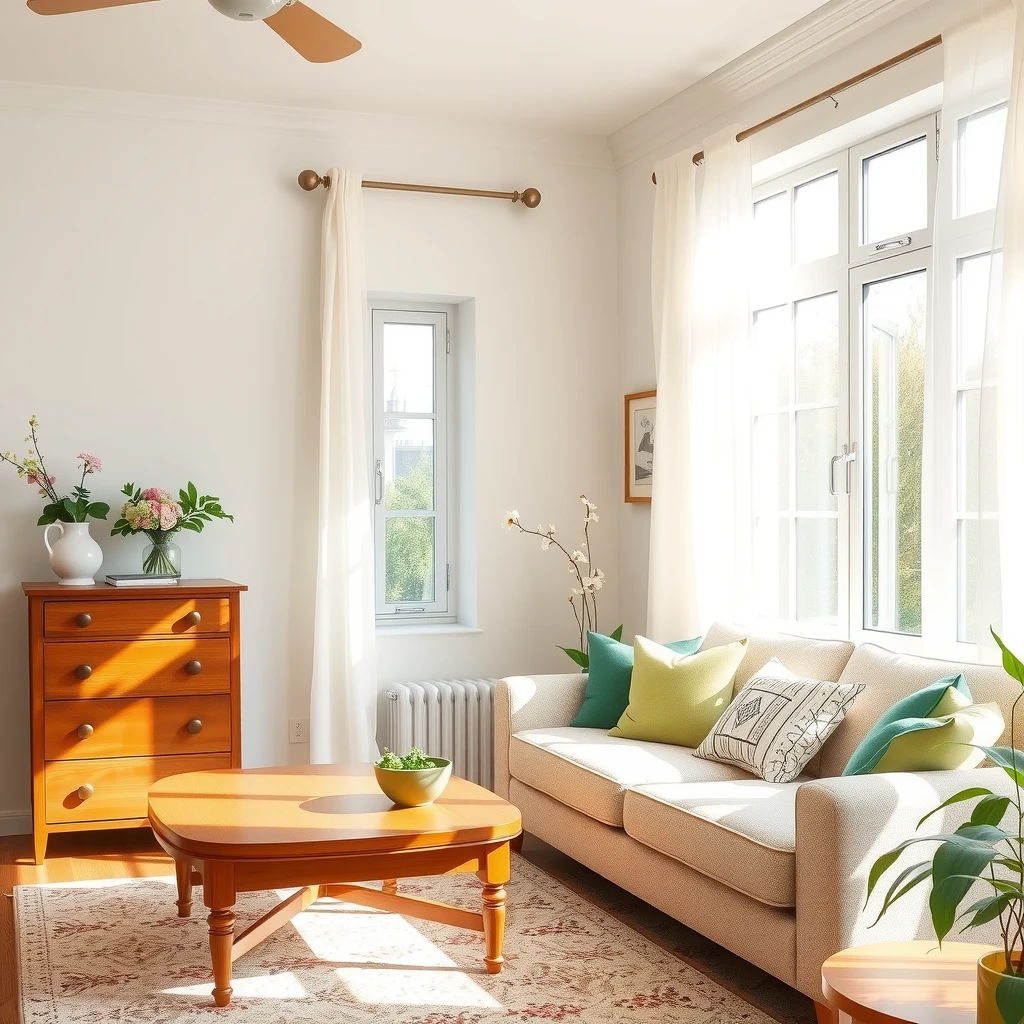
Spring: Deep Clean and Refresh
Spring is the perfect time to give everything a thorough cleaning after months of closed windows and winter heating.
Start by dusting every surface. Use a microfiber cloth that traps dust instead of spreading it around. For wooden pieces like your dresser or dining table, dampen the cloth slightly with water or a mild wood cleaner—never soak the wood.
Vacuum upholstered furniture with the brush attachment. Pay extra attention to crevices where crumbs and pet hair hide. If cushions are removable, take them off and vacuum underneath.
For leather, wipe with a barely damp cloth and follow with a leather conditioner to restore moisture lost during winter.
Open windows on low-pollen days to let fresh air circulate, but close them when pollen counts are high to keep allergen dust off your furniture.
Quick Spring Checklist - Dust all surfaces top to bottom - Vacuum upholstery and under cushions - Clean wood with mild solution - Condition leather - Wash or dry-clean slipcovers if possible
Summer: Protect from Sun and Humidity
Summer brings strong sunlight and, in many areas, higher humidity—both can harm furniture.
Direct sun fades wood finishes, fabrics, and leather over time. Move furniture away from windows when possible. Use sheer curtains or UV-blocking window film to filter harsh rays without darkening the room.
Air conditioning dries the air indoors. Wooden furniture, especially dressers and tables, can develop small cracks if the air gets too dry. Place a small humidifier in the room or set bowls of water near (but not touching) wood pieces to add gentle moisture.
In humid regions, watch for mold on leather or fabric. Keep air circulating with fans and wipe down surfaces regularly.
Outdoor furniture needs extra attention in summer. Clean patio sets weekly and cover them when not in use to shield from intense sun and sudden rain.

Fall: Prepare for Heating Season
As temperatures drop and heaters turn on, indoor air becomes drier. Fall is the ideal time to inspect and prepare furniture.
Check wooden pieces for small cracks or loose joints that appeared over summer. Apply wood polish or wax to create a protective layer before dry heating air arrives.
Clean vents and radiators so dust doesn’t blow onto furniture when heat starts.
Rearrange furniture slightly if any pieces sit directly in front of heating vents—this prevents overheating and cracking.
For dressers and cabinets, empty drawers completely once a year. Wipe interiors with mild soap and water, then let them air dry fully before reloading. This removes hidden dust and lets you reorganize.
Winter: Fight Dry Air and Stains
Winter heating makes indoor air very dry, which is the biggest threat to wood furniture.
Invest in a humidifier and keep indoor humidity between 40–50%. Place it in the room with your most valuable wood pieces, like an antique dresser or dining table.
Use coasters religiously—hot mugs and cold glasses leave rings and moisture marks quickly on dry wood.
Avoid placing furniture too close to fireplaces or space heaters. Intense direct heat causes wood to shrink and crack.
Leather becomes stiff in dry air. Condition it every few months with a quality leather conditioner.
Static electricity builds up in winter. A light mist of water on fabric upholstery reduces static cling and dust attraction.
Winter Protection Table
| Furniture Type | Main Winter Threat | Simple Fix |
|---|---|---|
| Solid Wood (dresser, table) | Cracking from dryness | Humidifier + occasional wax |
| Veneer | Lifting edges | Keep humidity stable |
| Leather | Stiffness, cracks | Condition every 2–3 months |
| Upholstery | Static and dust | Light water mist, vacuum often |
| Outdoor (stored) | Cold moisture | Cover and elevate off ground |

Year-Round Habits That Make a Big Difference
A few simple routines prevent most damage: - Dust weekly with a microfiber cloth - Use felt pads under lamps and decor to prevent scratches - Lift, don’t drag, furniture when moving - Keep drinks on coasters and hot items on trivets - Clean spills immediately—blot, don’t rub - Rotate cushions monthly for even wear - Keep furniture at least 6 inches from heat sources
For dressers specifically: avoid overfilling drawers (it stresses joints) and don’t place heavy items on top that could dent the finish.
When choosing cleaners, stick to products made for your furniture type. Mild dish soap and water works for most sealed wood in a pinch. Always test in an inconspicuous spot first.
Final Thoughts
Following this seasonal furniture care guide takes little time but saves you money and keeps your home looking its best. Small consistent actions—dusting, controlling humidity, blocking harsh sun, and quick cleanups—add years to your furniture’s life. Your dresser, sofa, tables, and chairs will reward you by staying beautiful season after season.