






Featured Post
Beginner's Guide to Sustainable Furniture Choices
Quick Overview
Making sustainable furniture choices doesn't have to be complicated or expensive. This beginner's guide shows you how to pick pieces that last longer, use fewer resources, and keep harmful chemicals out of your home — all while creating a space you love. (38 words)
Why Choose Sustainable Furniture?
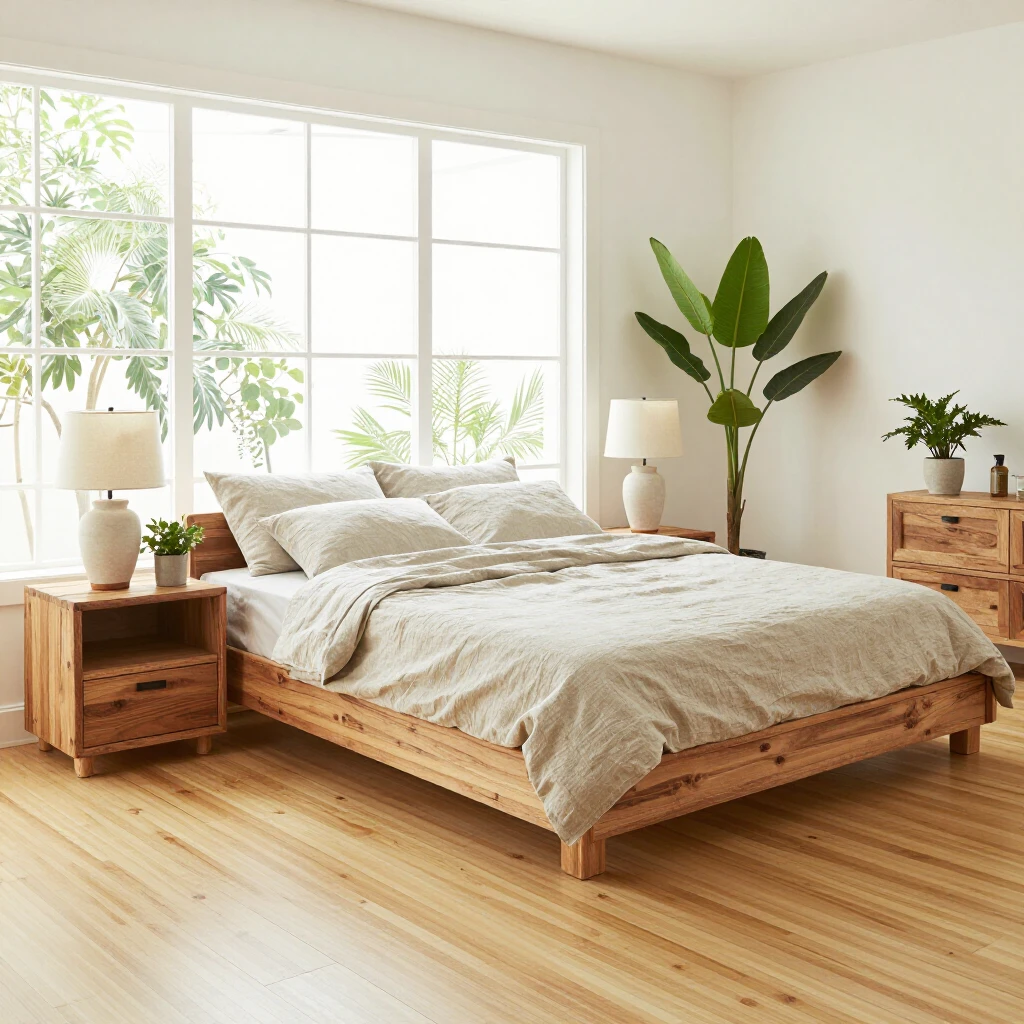
You spend about one-third of your life in your bedroom and a lot of time in your living spaces. The furniture you choose affects both your health and the planet.
Traditional furniture often contains formaldehyde, flame retardants, and plastics that release chemicals over time. Sustainable options reduce those risks. They also cut down on deforestation, mining, and waste.
In my own home, switching to sustainable pieces made the air feel cleaner and gave me peace of mind knowing I wasn't adding to landfill problems.
What “Sustainable” Really Means in Furniture
Sustainable furniture is designed to: - Use renewable or recycled materials - Last for decades instead of years - Be repairable or recyclable at the end of its life - Be produced with fair labor and low emissions
It’s not perfect — no product is completely impact-free — but it’s a big step better than fast furniture.
Best Materials to Look For
Here are the most common sustainable materials and what makes them good choices:
| Material | Benefits | Common Uses | Things to Watch |
|---|---|---|---|
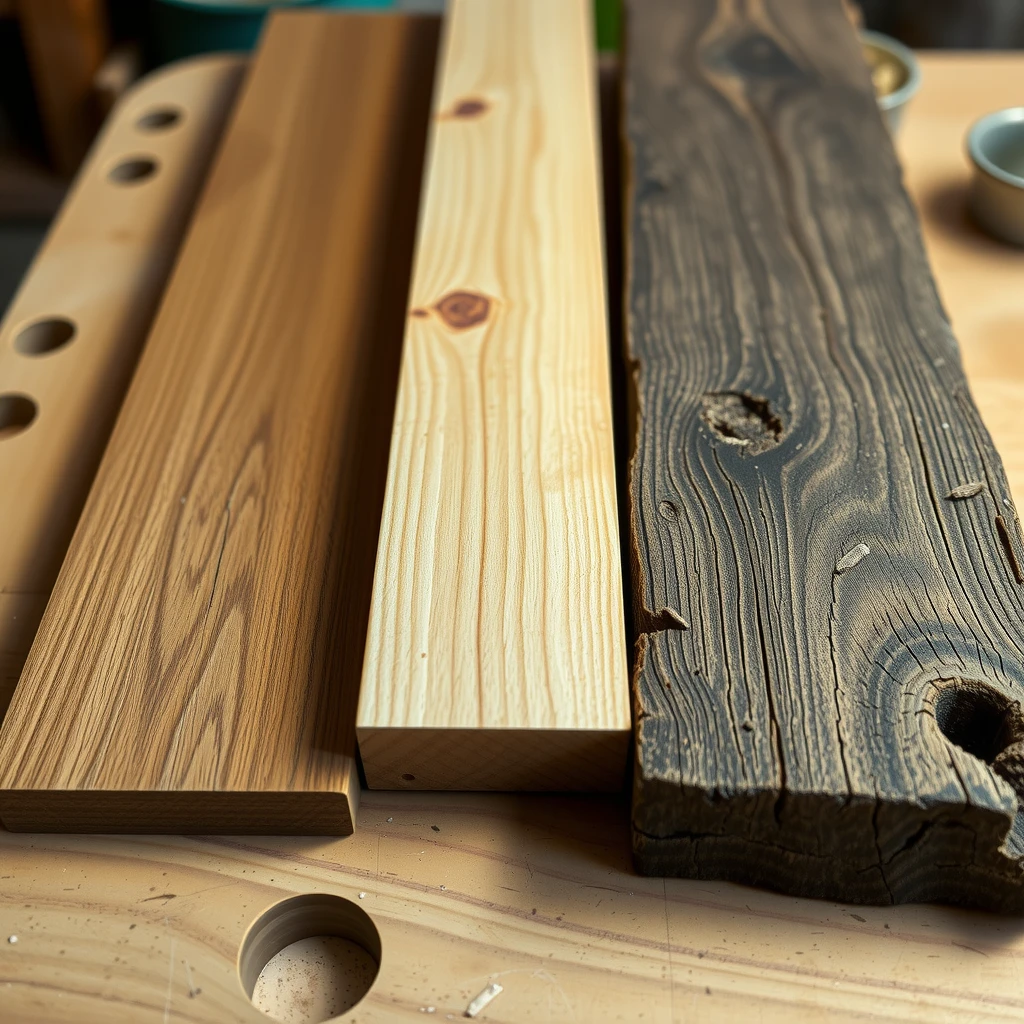
| FSC-certified wood | Responsibly sourced, supports forests | Tables, beds, nightstands | Verify the FSC label is real |
| Reclaimed wood | Saves trees, unique character | Nightstands, shelves, frames | Check for proper treatment |
| Bamboo | Grows quickly, very strong | Flooring, chairs, nightstands | Choose solid bamboo, not veneer |
| Recycled metal | Reduces mining | Frames, legs, hardware | Look for high recycled content |
| Organic cotton/linen | No pesticides | Upholstery, cushions | Check GOTS certification |
| Recycled polyester | Keeps plastic out of oceans | Sofa fabrics | Better than virgin, but still plastic |
Avoid particleboard (MDF) with high formaldehyde and cheap plastic laminates whenever possible.
Certifications Worth Knowing
Labels help you verify claims. These are the most trustworthy:
- FSC (Forest Stewardship Council) – best for wood products (fsc.org)
- GOTS (Global Organic Textile Standard) – for organic fabrics
- Greenguard Gold – low chemical emissions, great for bedrooms and kids’ rooms
- Cradle to Cradle – evaluates the full life cycle
- OEKO-TEX – tests textiles for harmful substances
If a piece has one or more of these, you can feel confident about its safety and sustainability.
New vs. Second-Hand: Which Is Greener?
Second-hand is usually the most sustainable choice because it extends the life of existing furniture and costs less.
Great places to look: - Local thrift stores and consignment shops - Facebook Marketplace and Craigslist - Apps like OfferUp - Antique stores (solid-wood vintage pieces last forever)
When buying new, choose brands that offer take-back programs or use certified materials. Many companies now have clear sustainability reports on their websites.
Practical Example: Choosing a Sustainable Nightstand
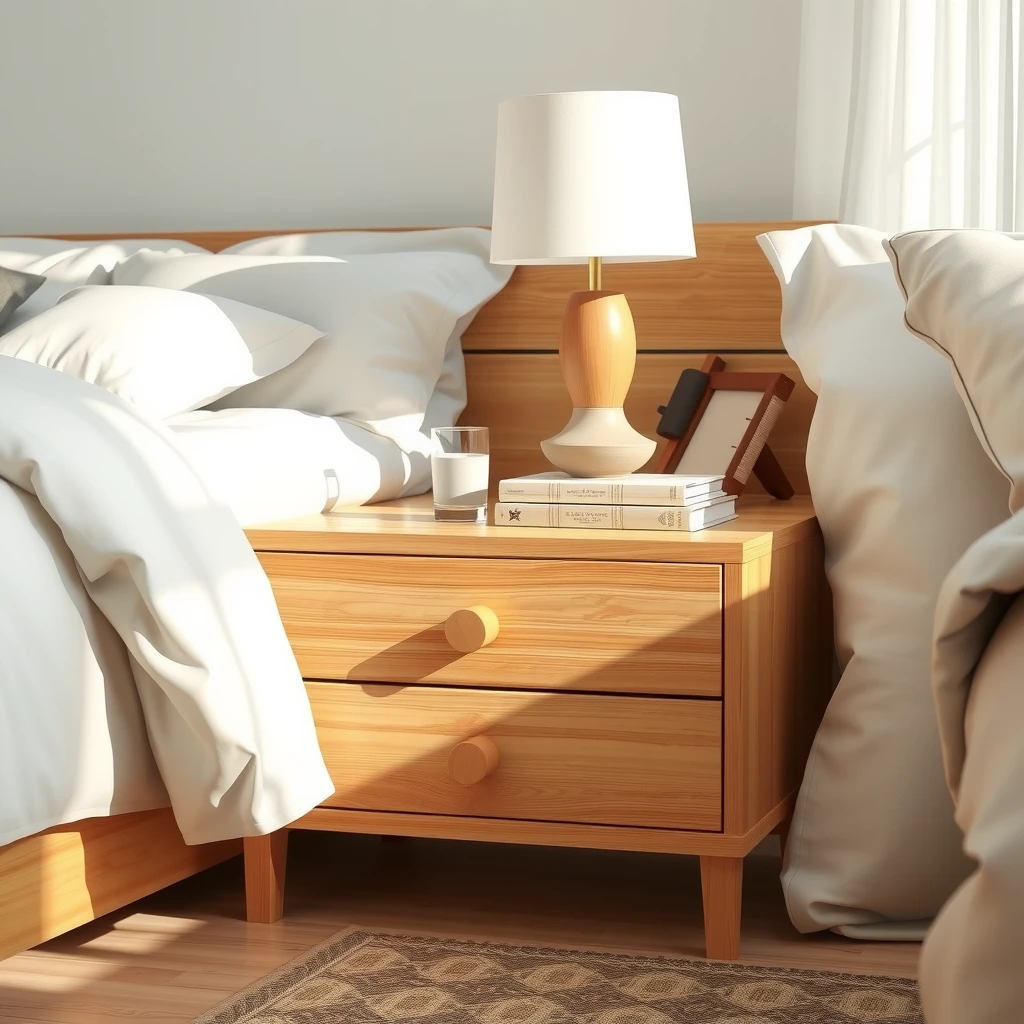
Nightstands are small but important — especially nightstands for guest rooms where you want to make visitors feel comfortable and show your values.
Here’s what I do when picking a nightstand: 1. Decide on material — reclaimed wood or bamboo for warmth, metal for modern look. 2. Check size — 18–24 inches high is standard. 3. Look for drawers or shelves that suit storage needs. 4. Verify certifications or ask about sourcing. 5. Read reviews for build quality.
My current favorite is a simple reclaimed-teak nightstand I found second-hand. It has beautiful grain, two drawers, and zero off-gassing smell. Guests always comment on how nice it looks.
How to Make Your Furniture Last Longer
Longevity is a big part of sustainability. Follow these simple habits: - Dust regularly with a microfiber cloth - Use coasters and placemats - Keep wood conditioned with natural beeswax or oil - Tighten screws once a year - Repair small damage quickly instead of replacing
A well-cared-for solid-wood piece can easily last 50+ years and be passed down.
Final Thoughts
Starting your journey toward sustainable furniture choices is easier than you think. Begin with one piece — maybe a new nightstand or a second-hand chair — and build from there. Every conscious purchase reduces waste, protects forests, and creates a healthier home.
You don’t need to be perfect. Small, informed decisions add up to real change.