








Featured Post
The Ultimate Guide to Furniture Maintenance
Overview
Furniture is a significant investment in our homes, and proper maintenance is key to ensuring it lasts for years while looking its best. In this ultimate guide, you'll find expert tips and personal insights on how to care for your furniture, from cleaning and protection to basic repairs. Whether you have wooden tables, leather sofas, or fabric chairs, these strategies will help you maintain their beauty and functionality.

Why Furniture Maintenance Matters
Furniture isn't just functional; it's often a reflection of our style and personality. Proper maintenance ensures that your furniture not only lasts longer but also retains its aesthetic appeal. Regular care can prevent costly repairs or replacements down the line. For example, my grandmother's antique wooden dresser has been in our family for generations, and with consistent polishing and protection from sunlight, it still looks stunning today.
Maintaining your furniture also contributes to a healthier home environment. Dust and allergens can accumulate on surfaces, so regular cleaning helps keep your space fresh and hygienic.
In this guide, we'll explore practical tips that you can start applying today to keep your furniture in top condition.
Essential Cleaning Techniques
Cleaning your furniture regularly is crucial, but it's important to use the right methods for different materials.
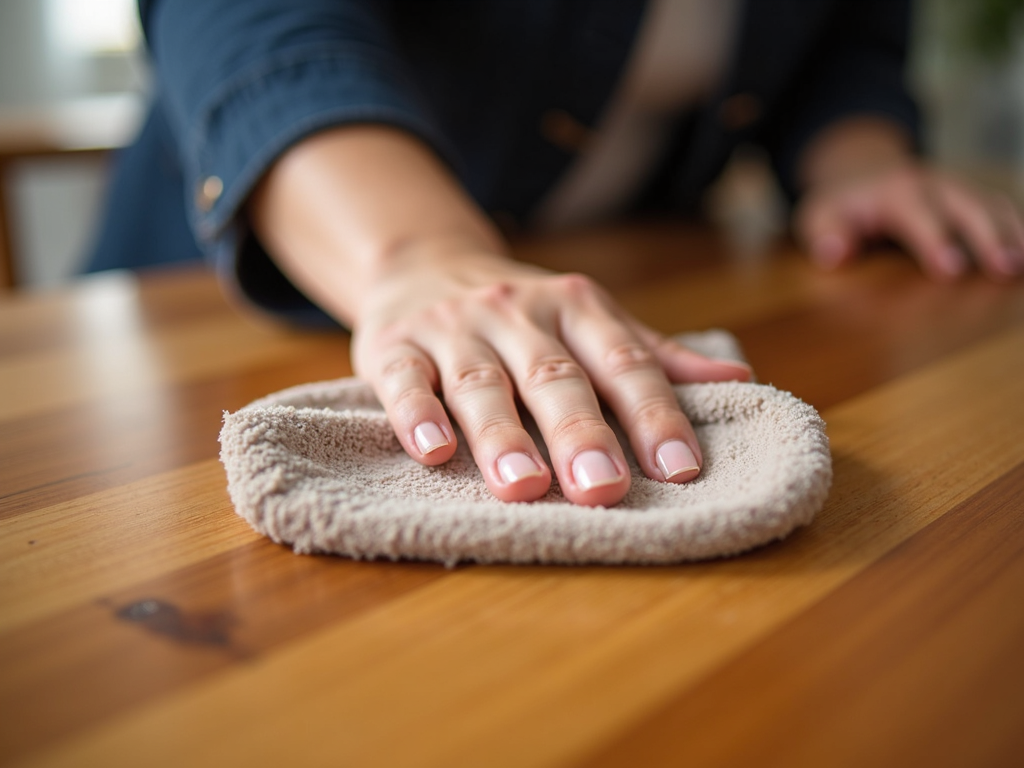
- Wood: For wooden furniture, avoid harsh chemicals that can strip the finish. Instead, use a mixture of equal parts vinegar and olive oil. Apply with a soft cloth and buff to a shine. Dust weekly with a microfiber cloth to prevent buildup.
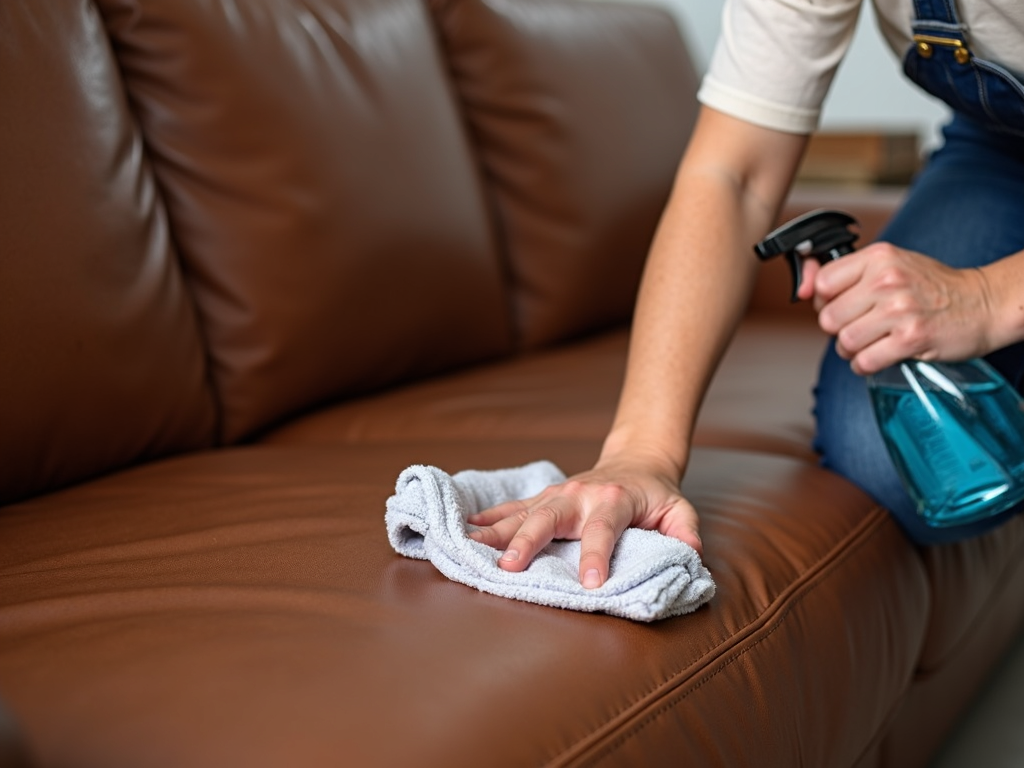
- Leather: Leather requires special care. Use a damp cloth to wipe down surfaces, and apply a leather conditioner every six months to keep it supple. Avoid placing leather furniture in direct sunlight, as it can cause fading and cracking.
- Fabric: For fabric upholstery, vacuum regularly to remove dust and crumbs. For stains, use a mild detergent mixed with water, and blot—don't rub—to avoid damaging the fibers.
- Metal: Metal furniture can be wiped down with a damp cloth. For rust spots, use a mixture of baking soda and water to gently scrub the area.
Remember, always test any cleaning solution on a small, inconspicuous area first to ensure it doesn't cause damage.
Personal tip: I once spilled red wine on my cream-colored sofa. Panic set in, but I quickly blotted the stain with a clean cloth and then applied a mixture of dish soap and hydrogen peroxide. It worked like a charm!
Protecting Your Furniture
Prevention is better than cure when it comes to furniture care. Here are some ways to protect your pieces:
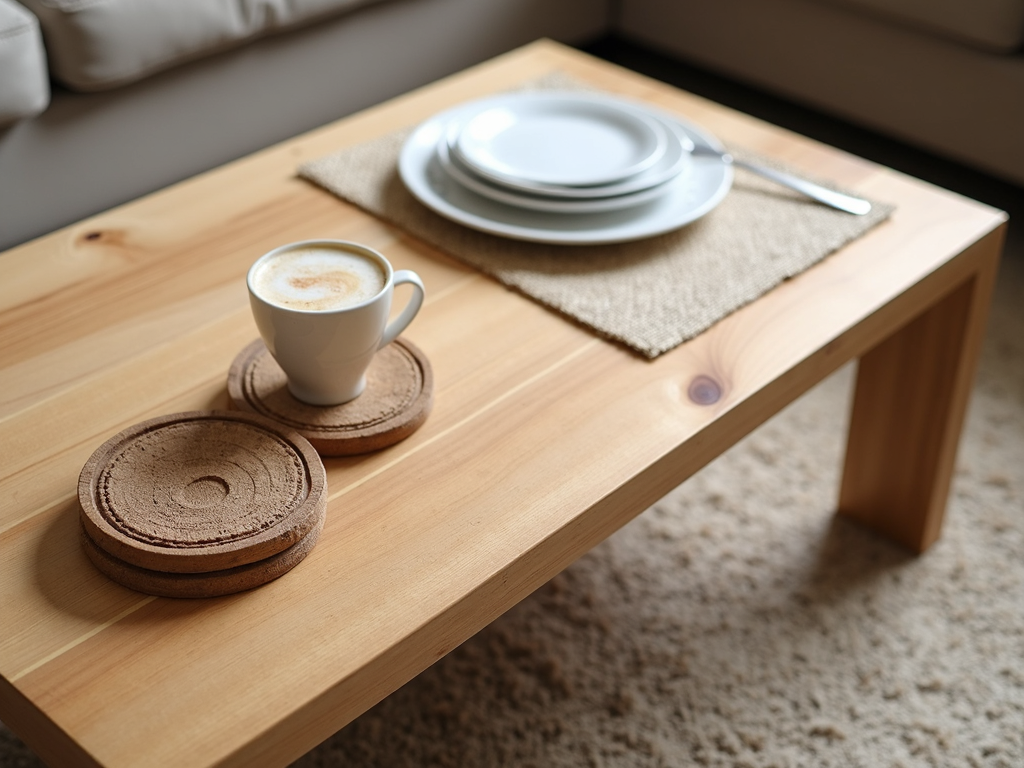
- Use coasters and placemats: This prevents water rings and scratches on tables.
- Avoid direct sunlight: UV rays can fade and damage furniture. Use curtains or blinds to control light exposure.
- Control humidity: Extreme humidity can warp wood or encourage mold growth. Use a dehumidifier if necessary.
- Be mindful when moving furniture: Lift rather than drag to avoid scratching floors or breaking legs.
- Pet and child-proofing: Use throws or covers to protect sofas from pet hair or spills.
I learned the hard way that dragging a heavy bookshelf across the room can leave unsightly scratches on both the floor and the furniture. Now, I always ask for help to lift and move large pieces.
Basic Repairs and When to Call a Professional
Minor issues can often be fixed at home with a little know-how.
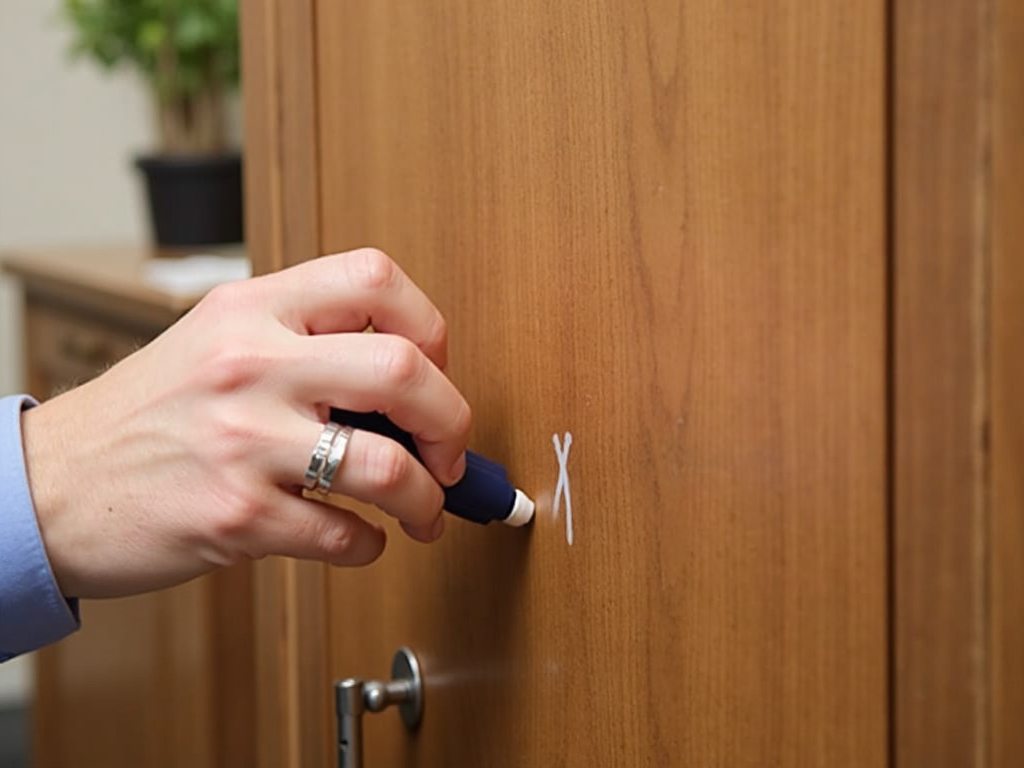
- Scratches on wood: Use a walnut or pecan nut to rub over the scratch; the natural oils can help blend it in. For deeper scratches, furniture markers or wax sticks can work wonders.
- Loose joints: Tighten screws or apply wood glue to stabilize wobbly legs or arms.
- Torn fabric: For small tears, use a fabric repair kit or sew the area carefully.
However, for significant damage, such as broken frames or extensive water damage, it's best to consult a professional. Look for reputable furniture repair services in your area, or check with the manufacturer if the piece is still under warranty.
I once tried to fix a broken chair leg myself, but it ended up wobblier than before. A professional repair not only fixed it but also reinforced the other legs to prevent future issues.
Specific Care for Beds
Beds are central to our comfort and well-being, so maintaining them is essential. Here are some tips:
- Rotate the mattress: Every three to six months, rotate your mattress to ensure even wear. If it's a pillow-top or has a designated top and bottom, flip it instead.
- Use a mattress protector: This shields against spills, stains, and dust mites.
- Clean the frame: Dust and vacuum the bed frame regularly, especially if it's wooden or upholstered.
- Check for squeaks: Tighten any loose screws or bolts to prevent annoying noises.
By following these furniture care tips, you can ensure your bed remains a cozy retreat for years to come.

Conclusion
Taking care of your furniture doesn't have to be overwhelming. By incorporating these simple yet effective tips into your routine, you can ensure that your pieces remain beautiful and functional for years to come. Remember, regular maintenance not only preserves the quality of your furniture but also enhances the overall ambiance of your home.