






Featured Post
The Benefits of Eco-Friendly Furniture: A Sustainable Choice for Your Home
Overview: Why Choose Eco-Friendly Furniture?
Eco-friendly furniture is more than a trend—it’s a lifestyle choice that benefits your home, health, and the planet. From reducing environmental harm to creating healthier living spaces, sustainable furniture offers lasting value. This guide dives into the benefits of eco-friendly furniture and shares practical furniture care tips for long-lasting quality.
What Makes Furniture Eco-Friendly?
Eco-friendly furniture is designed with sustainability in mind. It’s made from renewable, recycled, or responsibly sourced materials like bamboo, reclaimed wood, or recycled metals. Manufacturers prioritize low-impact production methods, avoiding toxic chemicals and reducing waste. For example, a bed crafted from FSC-certified wood ensures forests are managed responsibly. Choosing such furniture supports a healthier planet.
Unlike conventional furniture, which often relies on harmful glues or synthetic finishes, eco-friendly options use natural, non-toxic materials. This reduces indoor air pollution, making your home safer. The benefits of eco-friendly furniture extend beyond aesthetics—it’s about making choices that align with your values.
Environmental Benefits of Eco-Friendly Furniture
One of the biggest advantages of eco-friendly furniture is its reduced environmental footprint. Traditional furniture production often involves deforestation, high energy consumption, and chemical waste. In contrast, sustainable furniture minimizes these impacts. For instance, bamboo grows rapidly and requires little water, making it an ideal renewable resource.
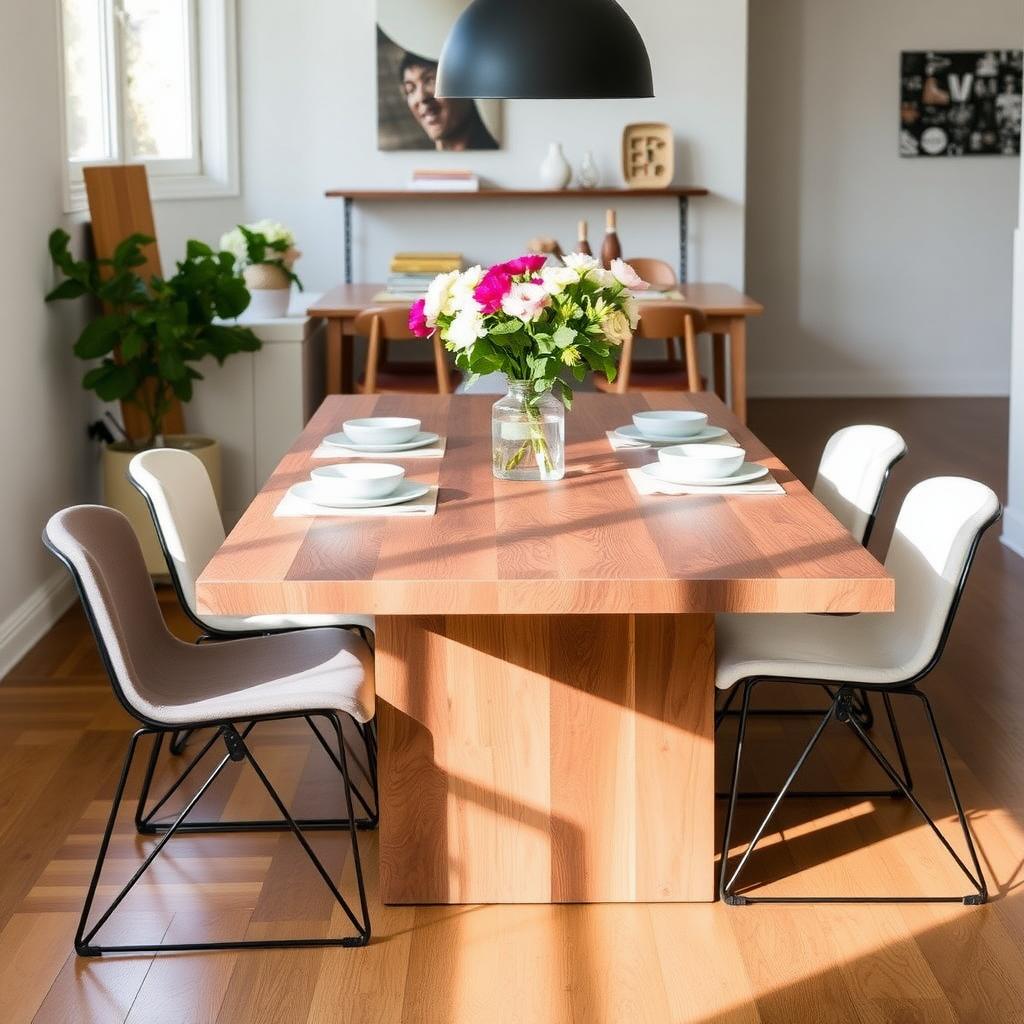
According to a study by the University of British Columbia, using FSC-certified wood reduces deforestation rates by ensuring responsible forest management. By choosing eco-friendly furniture, you’re supporting practices that preserve ecosystems and reduce carbon emissions. Reclaimed wood furniture, like a dining table made from old barn wood, also prevents waste from ending up in landfills.
Health Benefits for Your Home
Eco-friendly furniture isn’t just good for the planet—it’s good for you too. Conventional furniture often contains volatile organic compounds (VOCs) found in adhesives, paints, and finishes. These chemicals can off-gas, polluting indoor air and causing respiratory issues or allergies. Sustainable furniture uses non-toxic, water-based finishes or natural oils, creating a healthier living environment.
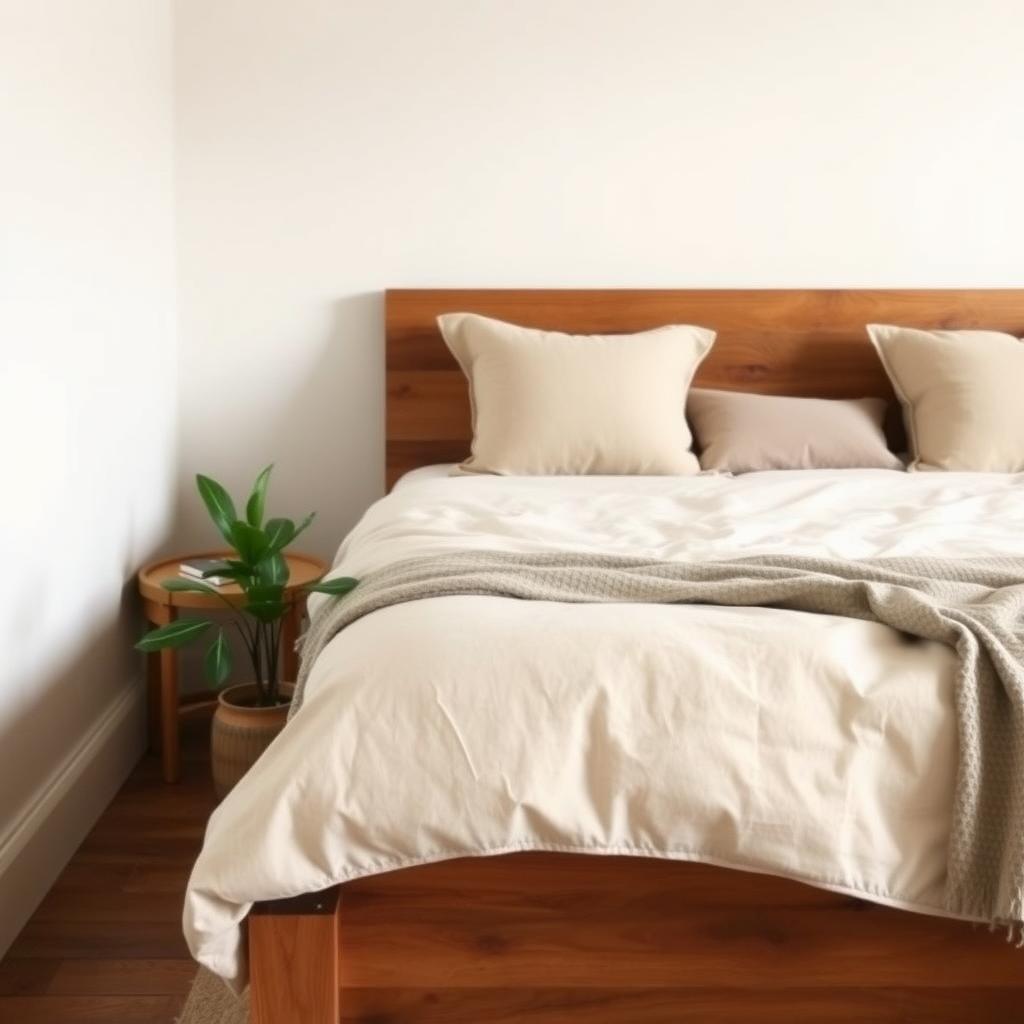
For example, an eco-friendly bed made with organic cotton or natural latex mattresses reduces exposure to harmful substances. This is especially important for families with children or people with sensitivities. A report by the EPA highlights how low-VOC materials improve indoor air quality, making eco-friendly furniture a smart choice for wellness.
Durability and Long-Lasting Quality
Eco-friendly furniture is often built to last. Sustainable materials like solid wood or recycled metal are sturdy and timeless, unlike mass-produced pieces that wear out quickly. A well-crafted eco-friendly sofa or dining table can last decades with proper care. This durability saves money in the long run and reduces the need for frequent replacements.
To ensure long-lasting quality, follow these furniture care tips:
- Clean regularly: Dust wood surfaces with a soft, damp cloth to prevent buildup.
- Avoid harsh chemicals: Use natural cleaners like vinegar and water to protect finishes.
- Protect from sunlight: Position furniture away from direct sunlight to prevent fading.
- Use coasters and pads: Prevent scratches or water rings on tables and desks.
These simple steps, outlined in The Ultimate Guide to Furniture Maintenance, keep your furniture looking new for years.
Cost-Effectiveness Over Time
While eco-friendly furniture may have a higher upfront cost, it’s a cost-effective choice over time. Durable materials and timeless designs mean you won’t need to replace pieces often. Plus, many sustainable brands offer modular furniture, like sectionals or shelving, that can be reconfigured as your needs change.
For instance, a modular eco-friendly sofa can adapt to different room layouts, saving you from buying new furniture when you move. According to the Sustainable Furnishings Council, investing in sustainable pieces reduces long-term costs by minimizing replacements and repairs.
Aesthetic Appeal and Versatility
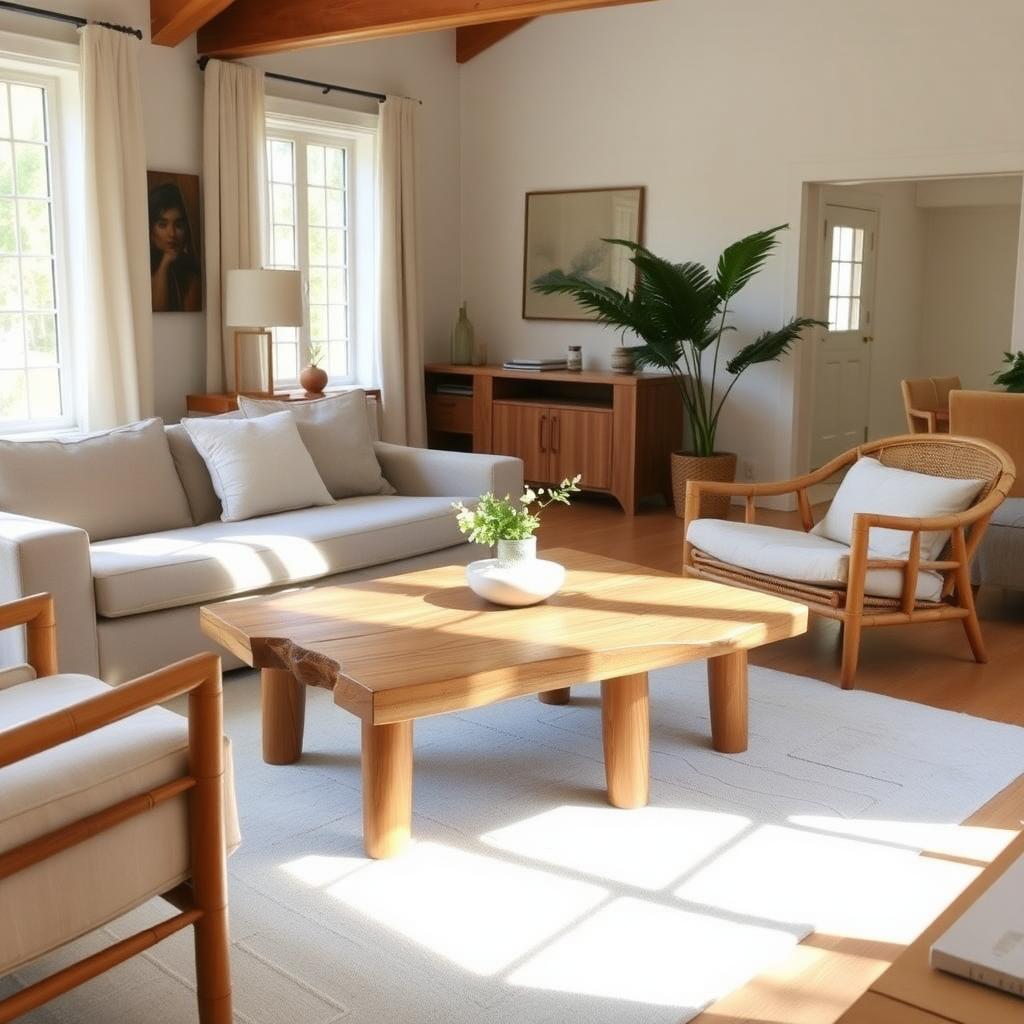
Eco-friendly furniture doesn’t sacrifice style for sustainability. From sleek minimalist designs to rustic, handcrafted looks, there’s something for every taste. Natural materials like wood, linen, and cork add warmth and texture to your home. A reclaimed wood bed or a bamboo chair can be a stunning focal point in any room.
These pieces also blend well with various decor styles, from modern to bohemian. Their versatility makes them a practical choice for homeowners who want furniture that evolves with their style. Plus, the natural beauty of sustainable materials often improves with age, adding character to your space.
Supporting Ethical Practices
Choosing eco-friendly furniture means supporting companies that prioritize ethical practices. Many sustainable brands work with artisans or local communities, ensuring fair wages and safe working conditions. For example, some companies partner with cooperatives to produce handwoven textiles for upholstery, supporting traditional craftsmanship.
By investing in these brands, you’re contributing to a more equitable economy. The World Fair Trade Organization emphasizes how ethical sourcing benefits both workers and the environment, making your furniture purchase a meaningful choice.
How to Choose Eco-Friendly Furniture
Ready to make the switch? Here’s a quick guide to choosing eco-friendly furniture:
| Criteria | What to Look For |
|---|---|
| Materials | Reclaimed wood, bamboo, recycled metal, organic fabrics |
| Certifications | FSC-certified wood, GOTS-certified textiles, low-VOC finishes |
| Production | Locally made or low-impact manufacturing |
| Durability | Solid construction, timeless design |
Ask manufacturers about their sourcing and production processes. Reputable brands are transparent about their sustainability practices.
Personal Insights: My Experience with Eco-Friendly Furniture
A few years ago, I replaced my old particleboard coffee table with a reclaimed wood one. Not only does it look better, but it’s held up through spills, moves, and daily use. I also invested in an eco-friendly bed with an organic mattress, and the difference in sleep quality was noticeable. The air in my bedroom feels fresher, and I love knowing my choices support the planet.
Maintaining these pieces is easy with simple care routines. I wipe down my wood furniture with a natural cleaner and keep it out of direct sunlight. These small habits, inspired by The Ultimate Guide to Furniture Maintenance, have kept my furniture in great shape.
Summary: A Smart Choice for You and the Planet
The benefits of eco-friendly furniture are clear: it’s better for the environment, healthier for your home, and built to last. By choosing sustainable materials and following furniture care tips for long-lasting quality, you can create a stylish, ethical home. Whether it’s a bed, sofa, or dining table, eco-friendly furniture is an investment in your future and the planet’s.