



Featured Post
Tips for Organizing Cabinet Furniture: 12 Expert Strategies to Transform Chaos into Order
Tired of rummaging through your cabinet, furniture, or closet for the right tools? These practical tips for organizing cabinet furniture will help you create a clear, efficient space that saves time and reduces frustration every single day.

Why Organizing Your Cabinet and Furniture Matters
Your cabinet and furniture store not just items—they hold memories, tools, and daily essentials. When everything is in its place, you find what you need faster and feel less stressed. Over the years I have watched families and individuals transform cluttered spaces into calm, productive zones. The key is simple: start small and stay consistent.
Action steps to get started right now: - Take inventory of everything inside - Decide what stays and what goes - Create a clear plan for each cabinet - Use the 20/20/20 rule: sort, store, and shine in 20 minutes per section
Step-by-Step Guide to Decluttering Your Cabinet and Furniture
Decluttering is the foundation of every successful organize project. Begin with the cabinet you want to tackle first. Pull everything out and place it on a table. Ask yourself: Does this belong here? Can I use it today? Does it spark joy?
I recommend the four-box method: Keep, Donate, Trash, and Relocate. For furniture pieces that are bulky, use the same logic but add a fifth box—Storage or Sell. Once you have removed the junk, take photos of the empty cabinet so you can see the potential before you start adding things back.
Tip: Set a timer for 20 minutes and focus only on one cabinet section. Finish it before you move to the next one.

Smart Organization Methods for Cabinets and Furniture
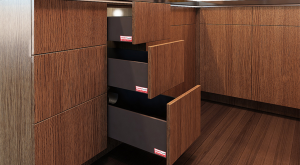
Once everything is sorted, choose the right method for your needs. Vertical storage works great for tall cabinet and furniture units. Use dividers to separate tools, hardware, or supplies. For smaller furniture pieces like drawers or shelves, install shelf risers and label each level.
Best methods I recommend: - Adjustable shelving systems for maximum flexibility - Drawer organizers with slots for different sizes - Hanging rails for tools that can be suspended - Clear acrylic bins to see contents at a glance
These solutions turn your cabinet and furniture into dedicated zones that match how you actually use things.
Labeling and Storage Tips That Make a Difference
Good labels turn a messy cabinet into an instant success. Use a label maker for bold, clear text on every shelf and drawer. For furniture, create zone labels like “Garden Tools” or “Cleaning Supplies.” Color-coding cans or boxes can also help you spot items instantly.
Store heavy items at eye level and lighter ones lower down. Use the back of the door for extra storage when your cabinet has space behind it. For furniture with wheels or drawers, add simple adhesive labels with dates so you know when to check or rotate items.

Space-Saving Ideas for Larger Cabinet and Furniture Units
If your cabinet is big, don’t try to fill every inch. Leave a few inches of breathing room on each shelf for airflow and easy cleaning. For tall cabinet furniture, use rolling carts to bring items closer when needed. Add tension rods or hanging organizers in spaces that feel wasted.
I once helped a homeowner turn a huge walk-in closet cabinet into a productivity powerhouse by adding a tall narrow cabinet inside it. The result? Everything fits and the space feels twice as big.
Quick space-saving hacks: - Stackable bins for items that come in sets - Over-the-door hooks for bags or small tools - Pull-out shelves for deep drawers - Magnetic strips inside cabinet doors for metal items
Maintenance and Long-Term Care
Organization is not a one-time job. Every three months do a quick 15-minute check. Remove anything that no longer fits your lifestyle. Update labels as your needs change. For furniture that gets heavy use, consider adding protective mats or drawer liners to keep everything looking new longer.
I keep a small notebook in my kitchen cabinet where I note any new items I buy so I remember to find a home for them immediately.
Common Mistakes to Avoid
Many people make these errors when trying to organize their cabinet and furniture: - Keeping too many items because they might come in handy - Ignoring the actual use pattern in the space - Using cheap labels that fade quickly - Forgetting to measure before buying new organizers
Avoid these by asking yourself: Is this item used at least once a month? Can I use it right now? Does the label actually help me find it?
A well-organized cabinet and furniture space pays off in less stress, more time saved, and a happier daily routine.
Summary
Organizing your cabinet, furniture, and related spaces is one of the fastest ways to create calm and efficiency in your home. Follow the steps above, stay consistent, and your efforts will show up every single day. You will thank yourself for the clear, peaceful environment you have built.