


Featured Post
Creating Multifunctional Spaces with Adaptable Furniture: Your Complete Guide
Creating multifunctional spaces with adaptable furniture helps you make the most of your home. You get room for everyone to live, work, or relax without feeling cramped. This guide shares simple ideas, real experiences, and easy steps so you can turn any area into a smart, flexible living space.
Home sizes keep changing. Families grow, people work from home more often, and hobbies take up more room. Traditional furniture often fills every corner and leaves little room for movement. Adaptable furniture changes that by letting you shift pieces as needed.
I once moved my family into a small apartment. The bed doubled as a couch, desks folded away, and storage units slid out when guests came. That setup cut our monthly bills and gave us peace of mind. Your home can work the same way.

Start by picking pieces that fit your needs today and tomorrow. Look for beds that change height or convert into storage. Furniture with wheels or brackets makes moving easy. Measure your room first so every item has a perfect spot.
A key step is choosing durable materials. Wood, metal, and high-grade fabric hold up to daily use. Check reviews for ease of assembly and long-term quality. Many brands now offer pieces built to last twenty years or more.
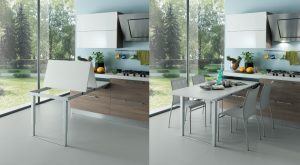
Consider the flow of your space. In a small studio, a bed that folds flat creates floor space for yoga or workouts. In a larger living room, you can slide the bed into the wall and turn the area into a home office. The goal stays simple: make the room work for you, not the other way around.
Many people face the same challenge: wanting a separate bedroom when they need extra guests. A multifunctional bed solves that in minutes. You lift or slide the mattress away and the area becomes a guest room or storage zone. This single change saves thousands in furniture costs.
Think about daily routines. Kids need space to play after school. Parents need quiet zones to work. A single adaptable piece can handle both. For example, a loft bed with a desk underneath lets a child study while the parent works upstairs. No extra rooms required.
Small apartments gain the most benefit. Even a 500-square-foot space feels twice as big when furniture adapts. You use the bed as a table when friends visit. You pull out extra shelves when moving. The space grows with your life instead of shrinking around it.
Planning helps you avoid common mistakes. Avoid pieces that look great but break easily. Pick items with clear instructions and tools included. Test the move at home before buying big furniture. Many stores offer free delivery and easy return windows.
Budget matters too. Start with one or two key pieces. A quality adaptable bed plus a few modular shelves often costs less than two separate sets of furniture. Over time, you save money and reduce clutter.
When setting up your space, place heavy items on the floor first. Use wall brackets for beds or desks to save floor space. Leave walking paths clear so everyone moves safely. Good lighting makes the room feel bigger and brighter.
Real families report huge improvements. One couple told me their home office doubled in size after they installed a folding desk. Another parent said the multifunctional bed freed up the entire living room for family movie nights. Small changes create big happiness.
Maintenance stays simple. Wipe surfaces, tighten bolts, and check wheels yearly. Most adaptable furniture comes with care guides. If you keep it clean and oiled, your pieces last for decades.
Color choices affect how the space feels. Light walls and neutral furniture make rooms appear larger. Add one accent piece in a bold color to highlight the adaptable section. This trick works in any size home.
Technology blends well too. Many adaptable beds now include USB ports and charging stations. Fold-down desks often have built-in power strips. You charge your phone or laptop while you work or rest.
Outdoor spaces benefit from the same ideas. A garden room or patio can use a fold-down table and modular chairs. When the weather turns, you pack it away and turn the area back into lawn space.
Educational spaces like schools or community centers use similar adaptable furniture for classrooms that change every week. Students rotate between desks, quiet zones, and group areas without moving walls.
Safety comes first. Choose rounded edges and stable bases. Anchor heavy beds to the wall. These small details keep your family safe and your furniture looking new.
In summary, creating multifunctional spaces with adaptable furniture gives you freedom and flexibility. You save money, reduce stress, and make your home work perfectly for your changing needs. Start small, pick quality pieces, and watch your living area transform into a true family hub.

For more ideas on this topic, explore how adaptable furniture can improve your daily life. Consider the best beds for multifunctional use and see how modular pieces help create perfect flow in any room. Our guide to space-saving furniture layouts shows practical layouts that work in real homes.