


Featured Post
Top 10 Tips for a Healthier Work-from-Home Setup
Quick Overview
Working from home offers freedom, but it can lead to back pain, eye strain, and fatigue without the right setup. These Top 10 Tips for a Healthier Work-from-Home Setup help you build a comfortable, supportive space that keeps you energized and healthy all day long. (38 words)
Working from home changed my routine completely. At first, I worked from the couch or even in bed, and soon my neck and back started complaining. After trying different changes, I found simple fixes that made a huge difference. Here are my top tips based on real experience and solid advice from ergonomics experts.

1. Choose the Right Chair for Support
Your chair forms the foundation of a healthy setup. Pick one with good lumbar support, adjustable height, and armrests. I switched to an ergonomic chair after months of lower back pain, and it felt like night and day. Sit all the way back so your spine follows the chair's curve. Your feet should stay flat on the floor, with knees at about 90 degrees.
2. Set Up Your Desk at the Correct Height
Desk height matters a lot. When sitting, your elbows should form a 90-degree angle while typing. Standing desks add variety—more on that soon. Many people overlook this and end up hunching. Measure your setup so forearms stay parallel to the floor.
3. Invest in Ergonomic Office Furniture for Workstations
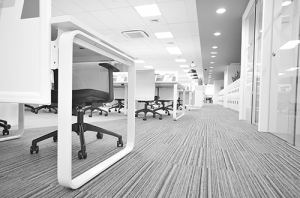
Office furniture for ergonomic workstations makes or breaks your comfort. Look for adjustable desks, supportive chairs, and monitor arms. Quality pieces from trusted brands last years and prevent strain. Start with basics if budget is tight—a good chair often gives the biggest win.

4. How to Set Up Your Monitor for Comfort
How to Set Up Your Monitor for Comfort is key to avoiding neck pain. Place the top of the screen at or just below eye level. Keep it about an arm's length away (20-30 inches). Tilt it slightly back to cut glare. I use a monitor arm now—it lets me adjust easily and keeps my posture natural.
If you wear glasses, lower it a bit more for comfort. The 20-20-20 rule helps too: every 20 minutes, look 20 feet away for 20 seconds to rest your eyes.
5. Standing Desks: Are They Worth It?
Standing Desks: Are They Worth It? Yes, but with balance. They help reduce sitting time, improve energy, and ease back pressure. Studies show people feel more alert and productive. However, standing all day causes leg fatigue. Alternate: stand 30 minutes, sit 60. I started slow and built up—now I stand half the day and feel much better.
Pros include better posture and calorie burn. Cons: initial fatigue and cost. Get an anti-fatigue mat for comfort.

6. Avoid Working from Bed
Working in bed seems cozy, but it harms your posture and sleep quality. Your body links bed with rest, and hunching over a laptop strains your neck and back. I tried it early on—big mistake. Keep work in a dedicated space to separate job and relaxation.
7. Take Regular Movement Breaks
Movement keeps you healthy. Stand up, stretch, or walk every hour. Simple stretches like shoulder rolls or neck tilts help. I set a timer—it's easy to forget when focused. Short walks boost energy and mood.
8. Optimize Lighting and Reduce Glare
Good lighting cuts eye strain. Use natural light when possible, but avoid glare on screens. Add a desk lamp with soft light. Position your monitor perpendicular to windows. Blue-light filters help in evenings.
9. Use Proper Keyboard and Mouse Placement
Keep your keyboard and mouse close so elbows stay close to your body. Wrists should stay straight. An external keyboard and mouse beat laptop ones for long sessions. I added a wrist rest—small change, big relief.
10. Personalize and Stay Consistent
Add plants, adjust for your height, and check your setup weekly. Consistency matters more than perfection. Small habits like good posture build over time. Listen to your body—if something hurts, adjust right away.
These tips transformed my work-from-home days from painful to productive. Start with one or two changes, and build from there. Your body will thank you.