


Featured Post
Ergonomic Office Furniture Guide: /ergonomic-office-furniture-guide
Welcome to the Ergonomic Office Furniture Guide: /ergonomic-office-furniture-guide.
In this practical guide, you will discover simple ways to build a workspace that supports your body and sharpens your focus. Whether you are Maximizing Small Spaces: Home Office Edition or Creating a Productive Home Office on a Budget, the right furniture makes every workday easier. You will also learn How to Optimize Your Home Office so you feel energized instead of drained by the end of the day.
Good ergonomics is not a luxury. It is a smart investment in your health and output. People who sit for hours often end up with stiff necks, sore backs, or tired eyes. The good news? You can fix most of those problems with smart choices and small adjustments.
Why does ergonomics matter so much? According to the Occupational Safety and Health Administration (OSHA), fitting the job to the person cuts muscle fatigue and lowers the risk of work-related injuries. Studies also show that proper setups improve concentration and reduce sick days. In my own home office, switching to an adjustable chair cut my afternoon headaches almost completely. You can get the same results without spending a fortune.

Choosing the Right Office Chair
Your chair is the most important piece of ergonomic office furniture. Look for these must-have features:
- Adjustable height so your feet rest flat on the floor
- Lumbar support that fits the curve of your lower back
- Armrests that let your shoulders stay relaxed
- A seat that tilts slightly forward or backward
I tested three budget chairs last year. The one with good lumbar support won hands down. My back thanked me after eight-hour writing days. If you are Creating a Productive Home Office on a Budget, start here—skip fancy extras and focus on adjustability.
Pro tip: Sit all the way back in the chair. Your thighs should stay parallel to the floor. If your feet dangle, add a simple footrest. This single change can prevent lower-back strain for years.
Setting Up Your Desk and Monitor
A height-adjustable desk changes everything. The Mayo Clinic office ergonomics guide recommends keeping your elbows at a 90-degree angle and your screen at eye level. When your monitor sits too low, you crane your neck. Raise it with books or a stand if needed.
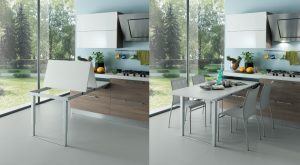
For small apartments, a wall-mounted folding desk or a narrow corner unit works wonders. These options prove you can follow the Ergonomic Office Furniture Guide: /ergonomic-office-furniture-guide even in tight spots.
Here is a quick checklist you can print and use today:
- Screen top at or just below eye level
- Keyboard and mouse close enough that your elbows stay by your sides
- Desk height matches your elbow when arms are relaxed
- At least 2 feet of space behind you for stretching
Following this list is one of the easiest ways to learn How to Optimize Your Home Office.
Maximizing Small Spaces: Home Office Edition
Tiny rooms do not have to mean poor posture. Vertical storage, fold-down desks, and slim chairs solve most problems. I once turned a 6-by-6-foot corner into a fully functional office using an IKEA hack and a $49 monitor arm. The key is keeping the floor clear so you can roll your chair freely.
Consider these space-saving ideas: - Wall-mounted monitor arms free up desk real estate - Under-desk keyboard trays that slide away - Stackable storage boxes that double as footrests
These choices help you stay productive without feeling cramped.

Creating a Productive Home Office on a Budget
You do not need to spend thousands. Start with these affordable upgrades:
- Ergonomic keyboard and mouse set ($30–50)
- Laptop stand and external keyboard combo ($25)
- Anti-fatigue mat for standing periods ($20)
- Blue-light blocking glasses if screens cause eye strain
I built my first ergonomic setup for under $200 and still use most of the pieces today. The savings let me invest in better lighting instead.
Standing desks do not have to be expensive either. A simple converter that sits on your current desk costs far less than a full electric model. Harvard Health Publishing notes that alternating between sitting and standing can ease back pain even if it does not melt away extra pounds. Try standing for 20 minutes every hour—you will feel the difference quickly.
Lighting, Posture, and Daily Habits
Good light prevents eye strain. Position your desk so windows are to the side, not directly in front or behind the screen. Add a small task lamp for evening work.
Take short breaks using the 20-20-20 rule: every 20 minutes, look 20 feet away for 20 seconds. Stand up, stretch, and walk a few steps. These habits multiply the benefits of your ergonomic furniture.
Common mistakes I see (and used to make myself): - Placing the monitor too far away - Using a kitchen chair with no support - Ignoring wrist position when typing
Fixing these takes five minutes and saves months of discomfort.

One more tip from Boston University experts: use your current chair creatively by adding a rolled towel for lumbar support if you cannot buy a new one right away. Small hacks deliver big results when you follow the Ergonomic Office Furniture Guide: /ergonomic-office-furniture-guide.
In summary, building an ergonomic workspace does not require a big budget or a huge room. Focus on adjustable chairs, proper monitor height, and smart habits. You will sit more comfortably, work more efficiently, and finish the day with energy to spare. Start with one change today—maybe just raising your screen—and watch your productivity climb.
Your body will thank you, and your work will show the difference.