




Featured Post
Creating a Sleep-Friendly Bedroom Environment: Tips for Restful Nights
Creating a Sleep-Friendly Bedroom Environment is one of the simplest ways to enjoy deeper, more refreshing sleep. Small changes in your space can help you fall asleep faster and stay asleep longer.
You spend about a third of your life in bed. When your bedroom supports rest instead of fighting it, you wake up feeling energized. Many people overlook this, but the right setup makes a real difference.
A poor sleep space often leads to tossing and turning. Light from streetlamps, a warm room, or clutter on your nightstand can keep your brain alert. The good news? You can fix these issues without a big budget.
In this guide, you will find practical steps that real people use every day. From lighting tricks to Choosing the Perfect Nightstand for Your Bedroom and easy nightstand organization tips, these ideas work. I have tried many myself and noticed huge improvements.
Science backs this up. According to the Centers for Disease Control and Prevention's guide on creating a good sleep environment, a dark, quiet, and cool room helps your body relax faster and reach deep sleep stages.
Start with the basics and build from there. Your bedroom should feel like a calm cave—nothing more, nothing less.
Why Light Matters Most
Light tells your brain it is daytime. Even a tiny glow from a clock or phone screen delays melatonin, the hormone that helps you drift off.
Install blackout curtains or shades that block every bit of light. Cover LED lights on electronics with tape. Use a small red nightlight if you need to see at night—red does not disrupt sleep like white or blue does.
I switched to blackout curtains last year. The first night felt like someone turned off the world outside. My sleep tracker showed I fell asleep 20 minutes faster.

Keep the Room Cool
Your body cools down to fall asleep. A warm room fights this natural process.
Sleep experts at Stanford Lifestyle Medicine recommend setting your thermostat between 60 and 67 degrees Fahrenheit. This range supports longer periods of uninterrupted sleep.
Use breathable cotton or bamboo sheets. Add a fan for gentle airflow. In winter, layer blankets instead of turning up the heat.
Harvard T.H. Chan School of Public Health experts also note that a cool bedroom between 65 and 70 degrees improves sleep quality by helping your body release heat.
Quiet Please
Sudden noises jolt you awake even if you do not remember them later. Aim for steady low sound or true silence.
Try a white noise machine, a fan, or earplugs. Close windows if traffic is loud. Thick rugs and curtains also absorb sound.
Fresh Air and Clean Space
Stuffy air or dust makes breathing harder at night. Open a window during the day or use an air purifier. Keep plants that clean air but avoid too many.
Declutter the floor. Dust builds up fast and can trigger allergies that wake you.
Choose the Right Mattress and Bedding
Your mattress should support your body without pressure points. Replace it every 7 to 10 years. Pillows should keep your neck aligned.
Wash sheets weekly in hot water. Use a duvet cover you can swap easily.
Choosing the Perfect Nightstand for Your Bedroom
The nightstand sits right beside you all night. Choosing the Perfect Nightstand for Your Bedroom means picking the right height, size, and material.
Your nightstand top should sit level with your mattress so you reach your lamp or glass of water without sitting up. Most people need 24 to 28 inches tall.
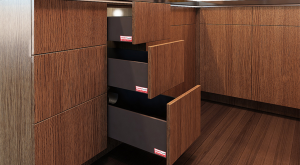
Width matters too. A 20-inch wide surface gives room for essentials without feeling crowded. Wood furniture feels warmer and quieter than metal. Oak or walnut adds a natural calm look that fits any style.
Drawers or a shelf hide chargers and books. Avoid glass tops—they show every fingerprint and feel cold.
I replaced my old metal nightstand with a solid wood one last spring. The change felt small at first, but reaching for my water glass now feels smooth and the whole room looks more inviting.

Nightstand Organization Tips That Actually Work
Clutter on your nightstand keeps your mind busy. Nightstand organization tips focus on keeping only what helps you sleep.
Follow this simple rule: three items maximum on top. Lamp, water glass, and one book or journal. Everything else goes inside.
Use a small tray to group remotes or chargers. Add drawer dividers so your eye mask and earplugs stay in one spot.
Charge your phone across the room or in a drawer. The blue light and notifications pull you out of rest mode.
Wipe the surface every evening as part of your wind-down routine. A tidy nightstand signals to your brain that the day is done.
Here is a quick checklist:
- Lamp with dimmer or red bulb
- Glass or bottle of water
- Optional: eye mask or earplugs
- One calming book
- No phone, no screens
Other Furniture Choices
The right furniture supports the whole room. A low bed frame keeps the space open. A dresser with soft-close drawers prevents loud bangs at night.
Choose pieces that match your nightstand material for a calm flow. Soft rugs underfoot reduce noise and add comfort when you step out of bed.
Avoid large mirrors facing the bed—they can reflect movement and light.

My Personal Story
Two years ago my bedroom felt like an office. Phone charging on the nightstand, bright streetlight sneaking in, room too warm. Sleep felt broken.
I started with blackout curtains, dropped the temperature, and applied nightstand organization tips. Then I chose a new wooden nightstand that matched my bed. Within a week I slept through the night for the first time in months.
The changes cost less than a fancy dinner but gave me back hours of quality rest each week.
Quick Bedroom Checklist
| Element | Ideal Setting | Why It Helps |
|---|---|---|
| Temperature | 60-67°F | Helps body cool for sleep |
| Light | Complete darkness | Boosts melatonin |
| Noise | Below 35 dB or steady white noise | Prevents sudden wake-ups |
| Nightstand | At mattress height, minimal top | Easy reach without effort |
| Air | Fresh, low dust | Easier breathing all night |
Final Thoughts
Creating a Sleep-Friendly Bedroom Environment does not need a full renovation. Start with one change—maybe your nightstand—and build from there.
You deserve restful nights. When your bedroom works with you instead of against you, better sleep follows naturally. Sweet dreams await.