









Featured Post
Assembling Futon Furniture Easily: A Step-by-Step Guide
Overview
Assembling futon furniture easily is a skill anyone can master with the right approach. Whether you're setting up a cozy sofa bed for your living room or a compact futon for a guest space, this guide breaks down the process into simple, manageable steps. With clear instructions and practical tips, you'll have your futon ready in no time.
Why Choose a Futon?
Futons are a fantastic addition to any home. They’re versatile, affordable, and perfect for small spaces. Unlike traditional sofas, futons can double as a bed, making them ideal for apartments or multi-purpose rooms. Their simple design also means assembling futon furniture easily is achievable, even if you’re not a DIY expert.
I remember my first futon purchase—a sleek, wooden-framed model for my tiny studio apartment. The excitement of getting a dual-purpose piece was tempered by the daunting box of parts. But with a little patience and the right mindset, I turned that pile of pieces into a functional centerpiece. This guide draws from that experience and more to help you avoid common pitfalls.
Preparing for Assembly
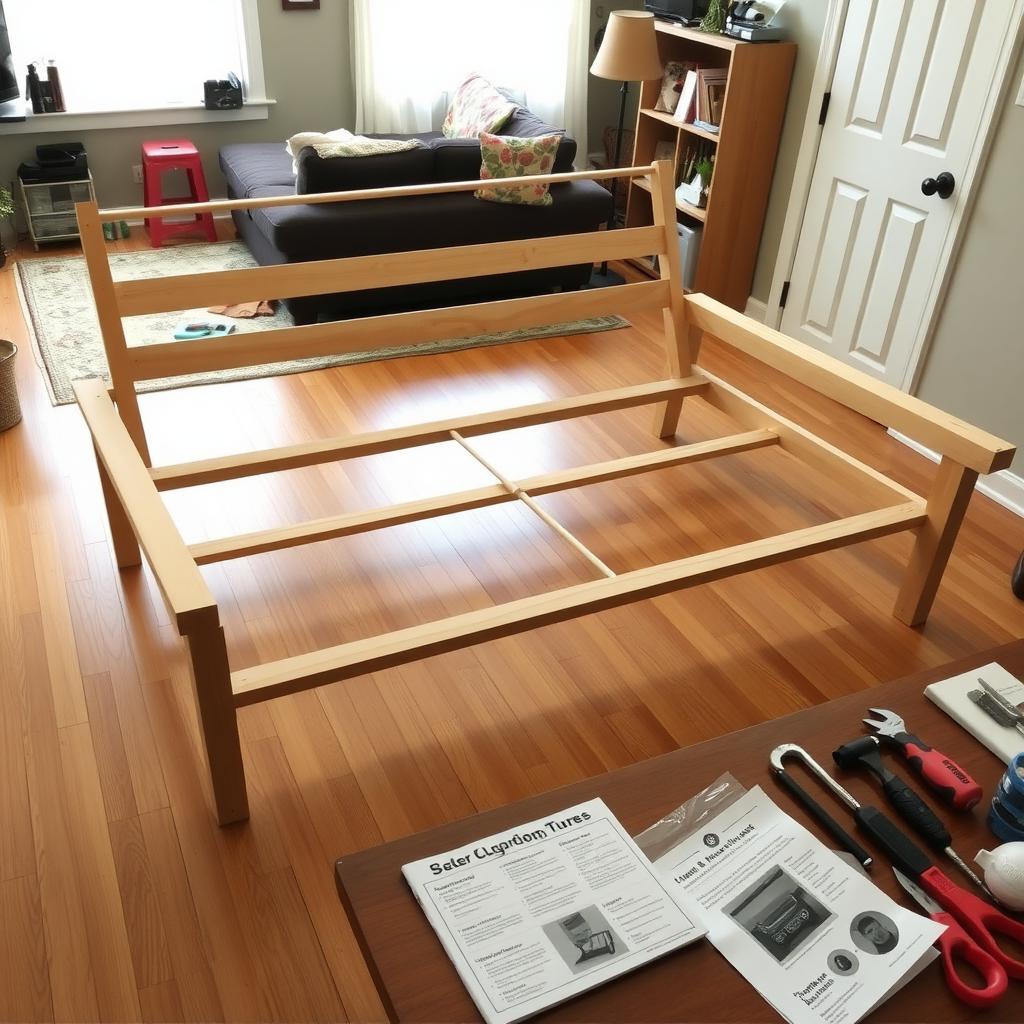
Before you start, preparation is key to assembling futon furniture easily. Clear a spacious area—ideally on a hard floor to keep parts stable. Lay down a blanket or cardboard to protect the floor and your futon pieces from scratches. Gather all necessary tools, typically a screwdriver, an allen wrench (often included), and sometimes a hammer.
Check the box contents against the instruction manual’s parts list. Missing a single screw can halt your progress, so confirm everything’s there. If parts are missing, contact the manufacturer immediately. Most companies, like those listed in Walmart’s furniture assembly tips, offer quick replacements for missing components.
Tools You’ll Need
Here’s a quick checklist of tools commonly required:
- Screwdriver: Phillips or flathead, depending on the screws.
- Allen wrench: Usually included in the futon kit.
- Hammer: For gently tapping dowels or aligning parts.
- Pliers: Helpful for stubborn bolts.
- Level: To ensure the frame is even.
Having these ready saves time and frustration. Pro tip: Keep a small bowl for screws and small parts to avoid losing them.
Step-by-Step Assembly Guide
Step 1: Read the Manual
Every futon is slightly different, so don’t skip the instruction manual. It’s tempting to dive in, but manuals often include model-specific tips. For example, my first futon had a quirky locking mechanism that wasn’t obvious until I read the fine print. Spend 5 minutes reviewing the steps to avoid backtracking.
Step 2: Assemble the Frame
Start with the main frame—usually the side panels and support beams. Lay out the pieces to match the diagram in the manual. Connect the side panels to the backrest frame using bolts or screws. According to The Spruce’s furniture assembly guide, tightening screws loosely at first allows for adjustments later.
Step 3: Attach the Slats or Deck
Next, install the slats or deck that support the mattress. For wooden futons, this involves securing slats across the frame. For metal futons, you might attach a single deck. Ensure all slats are evenly spaced to prevent mattress sagging. A study from Purdue University’s Wood Research Lab highlights that evenly spaced slats improve furniture durability.
Step 4: Install the Convertible Mechanism
The magic of a futon lies in its ability to switch from sofa to bed. This step involves attaching the convertible mechanism, often a set of hinges or sliders. Follow the manual closely here—misaligning these parts can make the futon hard to adjust. Test the mechanism before adding the mattress to ensure smooth operation.

Step 5: Add the Mattress
Once the frame is complete, place the futon mattress on top. Some futons require you to secure the mattress with straps or clips. Fluff the mattress to ensure it sits evenly. If it’s a new mattress, let it air out for a few hours to expand fully.
Step 6: Test and Adjust
Test the futon by converting it from sofa to bed and back. Check for wobbles or loose screws. Use a level to confirm the frame is even. Tighten any loose bolts, but avoid over-tightening, which can strip screws or crack wood.
Common Mistakes to Avoid
Assembling futon furniture easily means sidestepping pitfalls. Here are some I’ve learned the hard way:
- Ignoring the manual: It’s not just a suggestion—it’s your roadmap.
- Rushing the process: Take your time to align parts correctly.
- Using the wrong tools: A mismatched screwdriver can damage screws.
- Skipping adjustments: Check for stability before finishing.
A report from Consumer Reports emphasizes that rushing assembly leads to 60% of furniture setup issues.

Tips for Long-Term Maintenance
Once your futon is assembled, keep it in top shape:
- Tighten screws periodically: Monthly checks prevent wobbling.
- Clean the mattress: Vacuum or spot-clean to maintain freshness.
- Lubricate hinges: A drop of oil keeps the convertible mechanism smooth.
- Use a mattress protector: It extends the mattress’s life.
These habits ensure your futon remains functional and stylish for years.
Summary
Assembling futon furniture easily is all about preparation, patience, and following instructions. From setting up a clear workspace to testing the final product, each step builds toward a sturdy, versatile piece of furniture. With the tips and steps outlined here, you’re ready to tackle your futon assembly with confidence. Enjoy your new space-saving solution!