




Featured Post
Creating a Safe Nursery Layout: A Comprehensive Guide for Parents
Welcoming a new baby is one of life’s greatest joys, but it comes with the responsibility of creating a safe and nurturing environment. A well-thought-out nursery layout can make all the difference, providing a space where your child can sleep, play, and grow safely. Creating a Safe Nursery Layout isn’t just about aesthetics—it’s about prioritizing safety, functionality, and comfort. In this guide, we’ll walk you through practical steps to design a nursery that’s both beautiful and secure, with insights from my own experience as a parent.
Why Safety Comes First in Nursery Design
Safety is the cornerstone of any nursery. Babies spend a lot of time sleeping and exploring, so every element in the room needs to be carefully considered. From furniture placement to choosing the right accessories, every decision impacts your child’s well-being. A safe nursery layout reduces risks like falls, entrapment, or exposure to harmful materials. Let’s dive into the key components of a secure and kid-friendly nursery.
Step 1: Plan the Nursery Layout for Functionality
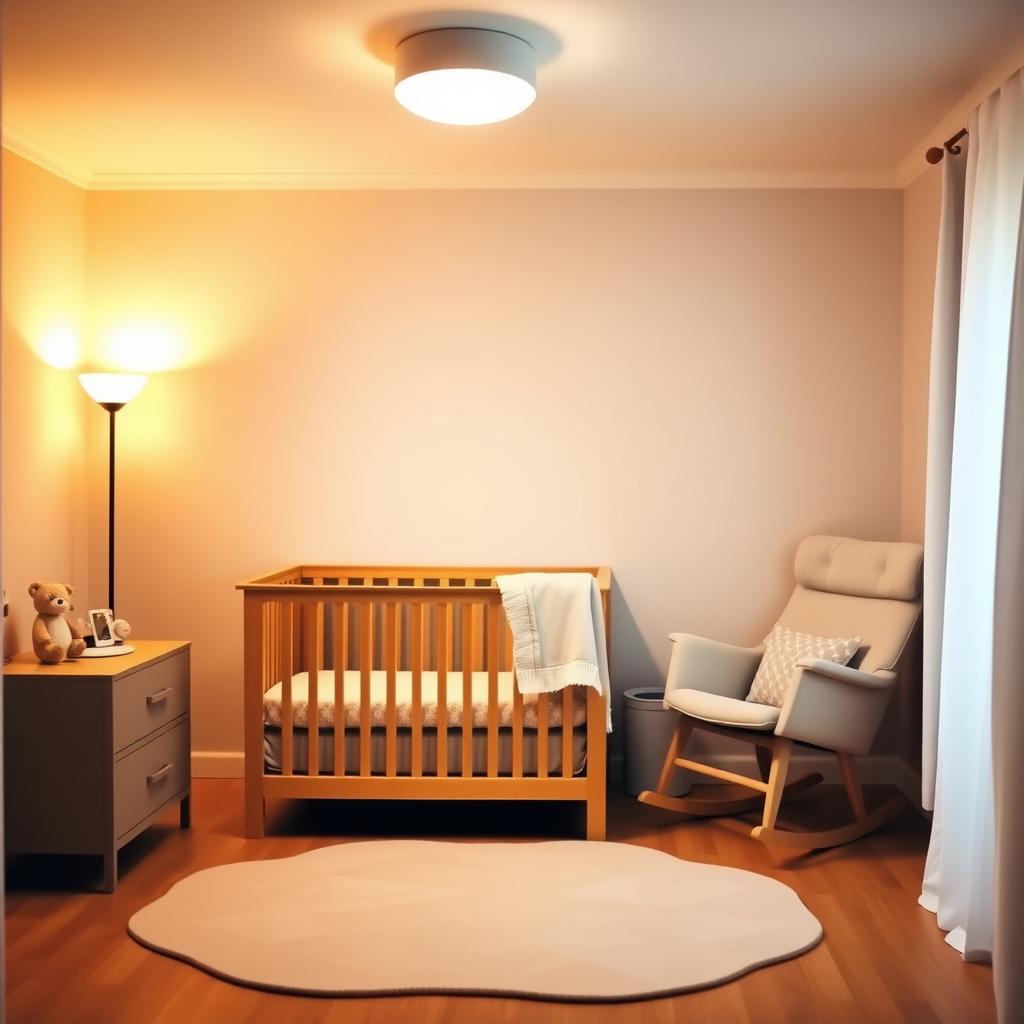
Start by mapping out the room’s layout. Think about how you’ll move through the space during late-night feedings or diaper changes. Place the crib away from windows, curtains, or blinds to avoid entanglement hazards. Keep it at least two feet from heaters or air vents to ensure proper temperature regulation. A good rule of thumb is to create clear pathways for easy access to the crib, changing table, and rocking chair.
When I designed my daughter’s nursery, I placed the crib against an interior wall, far from the window. This small choice made a big difference in keeping the room safe and cozy, especially during chilly nights. Consider using a room planner app to visualize furniture placement before moving heavy items.
Step 2: Choose Safe and Functional Furniture
Furniture is the backbone of a nursery, and safety standards are non-negotiable. Opt for a crib that meets current safety regulations, like those set by the Consumer Product Safety Commission (CPSC). Avoid older or secondhand cribs with drop-down sides, as they pose entrapment risks. Ensure the mattress fits snugly with no gaps.
When selecting Nightstands for Kids' Bedrooms and Nurseries, prioritize stability and rounded edges. A wobbly nightstand can tip over if a toddler pulls on it, so anchor it to the wall with furniture straps. Look for nightstands with smooth surfaces and no sharp corners. I found a low, sturdy nightstand with a drawer to store essentials like pacifiers and burp cloths, which kept the nursery clutter-free.
10 Tips for Choosing the Perfect Nightstand for Your Child’s Bedroom
Here’s a quick checklist to guide you: 1. Check Stability: Ensure it’s heavy enough to resist tipping. 2. Rounded Edges: Avoid sharp corners to prevent injuries. 3. Right Height: Match the nightstand height to the crib or bed for easy access. 4. Storage Options: Drawers or shelves keep essentials organized. 5. Non-Toxic Materials: Choose wood or MDF with non-toxic finishes. 6. Secure Anchoring: Use wall straps for added safety. 7. Simple Design: Avoid intricate carvings that collect dust. 8. Match Room Style: Pick a design that complements the nursery’s aesthetic. 9. Easy to Clean: Smooth surfaces are easier to wipe down. 10. Budget-Friendly: Balance quality with affordability.
Step 3: Lighting Matters
Choosing the Right Lighting for Your Child’s Room is critical for safety and ambiance. Babies and toddlers are sensitive to bright lights, so opt for soft, dimmable options. A ceiling fixture with adjustable brightness works well for daytime tasks, while a small lamp on the nightstand is perfect for nighttime feedings. Avoid floor lamps that can tip over.
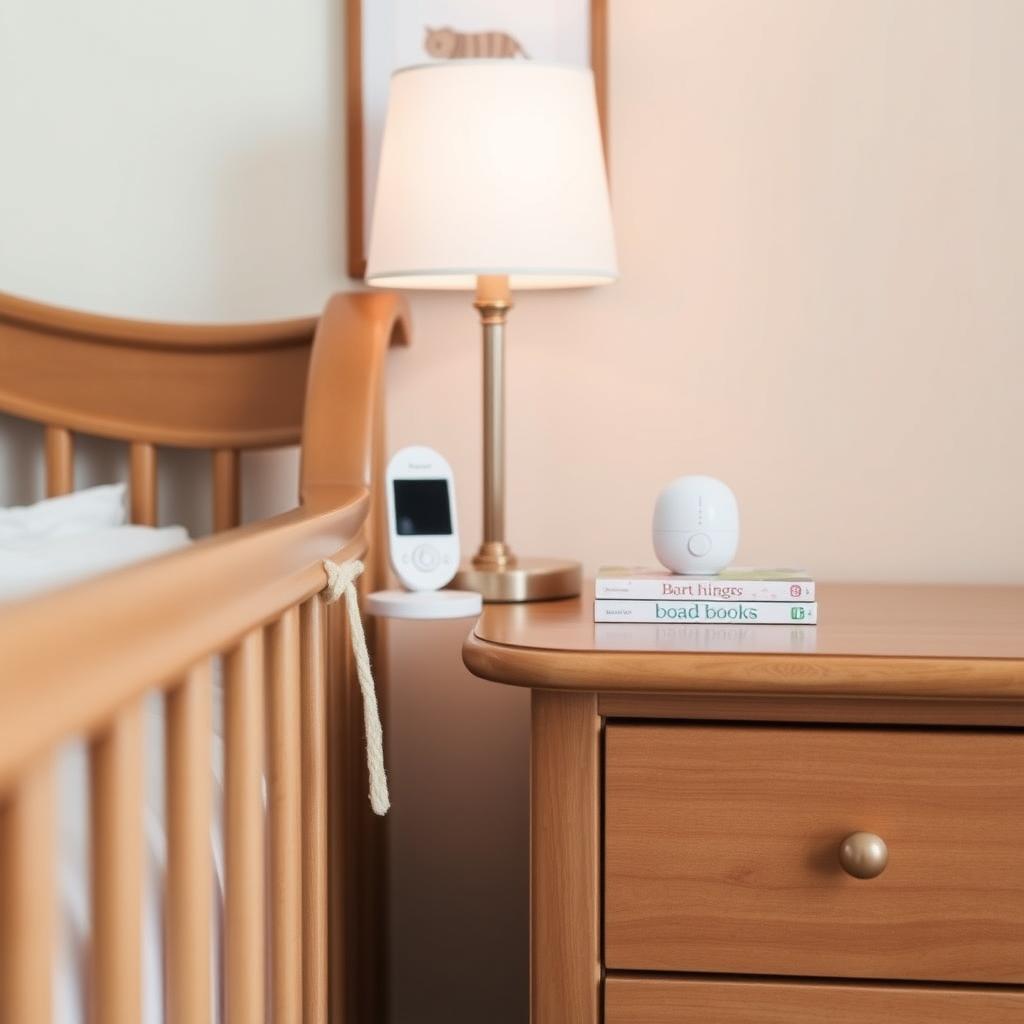
In my son’s nursery, I installed a dimmable overhead light and added a touch-sensitive lamp on the nightstand. This setup made middle-of-the-night diaper changes less disruptive. Blackout curtains also helped regulate sleep by blocking out early morning sunlight. If you’re unsure about lighting options, check out resources from the American Academy of Pediatrics for guidance on creating a sleep-friendly environment.
Step 4: Design a Kid-Friendly Bedroom
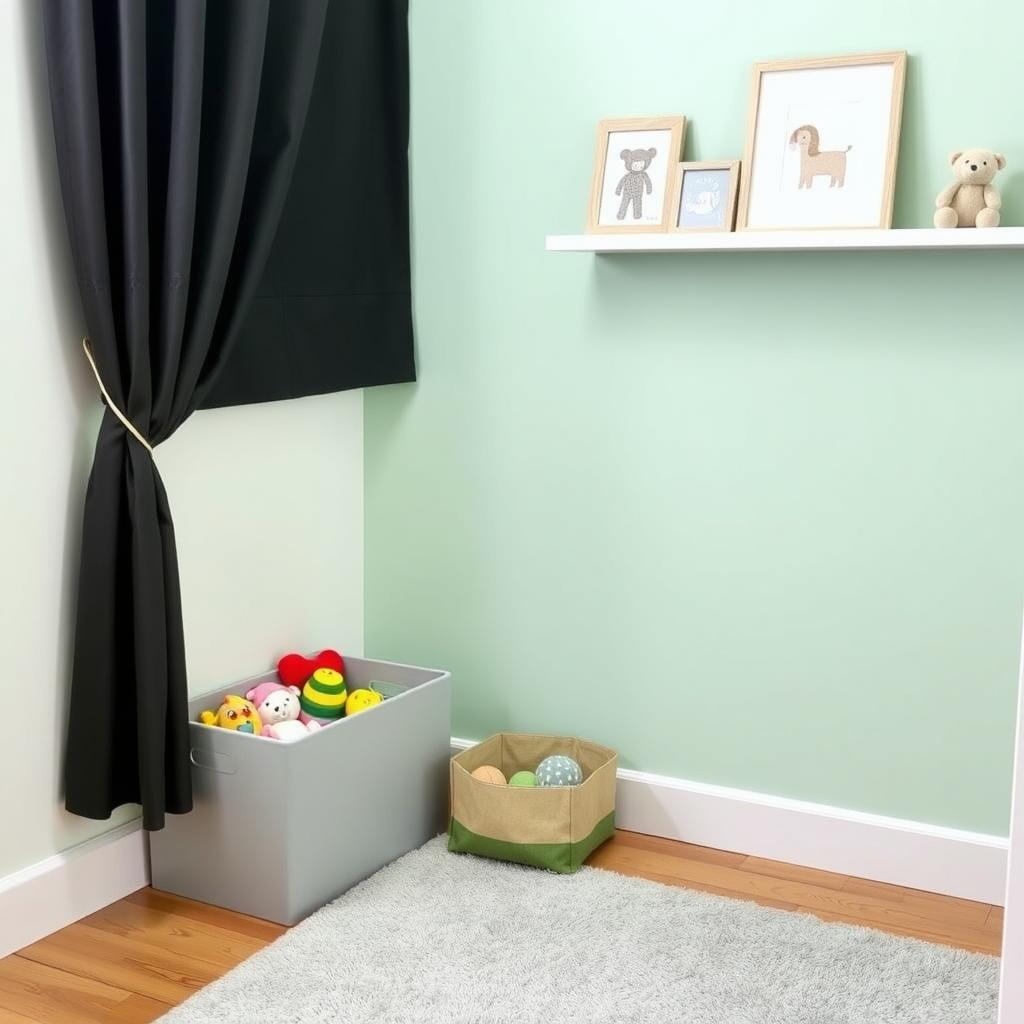
How to Design a Kid-Friendly Bedroom extends beyond the nursery phase. As your child grows, the room should evolve to meet their needs. Use soft rugs to cushion falls, and secure heavy furniture to the wall. Incorporate storage bins at floor level so toddlers can access toys safely. Avoid clutter, as it can overwhelm young children and create tripping hazards.
I learned this the hard way when my toddler started pulling toys off high shelves. Switching to low, open bins made playtime safer and cleanup easier. Wall-mounted shelves for books and decor kept the floor clear while adding a playful touch to the room.
Step 5: Focus on Safe Materials and Accessories
Choose hypoallergenic bedding and mattresses to reduce allergy risks. Avoid heavy curtains or cords that could pose strangulation hazards. Wall art should be lightweight and securely fastened. When picking decor, think about longevity—items that work for a nursery can often transition into a toddler’s room with minor tweaks.
Step 6: Test and Adjust the Layout
Once the nursery is set up, test it out. Crawl around at your baby’s level to spot potential hazards like exposed outlets or loose cords. Plug covers and cord organizers are lifesavers. Regularly check furniture anchors and tighten them as needed. As your child grows, revisit the layout to ensure it remains safe and functional.
When my daughter started crawling, I noticed a sharp corner on a low shelf I’d overlooked. A quick swap for a rounded-edge shelf made all the difference. Periodic safety checks helped me stay ahead of her curious explorations.
Summary: Building a Safe Haven
Creating a Safe Nursery Layout is about blending safety, functionality, and style. By choosing sturdy furniture, soft lighting, and kid-friendly materials, you can craft a space that grows with your child. From Nightstands for Kids' Bedrooms and Nurseries to Choosing the Right Lighting for Your Child’s Room, every detail matters. With careful planning and periodic checks, your nursery will be a safe haven for your little one.