








Featured Post
Furniture Care for Different Materials: Keep Your Pieces Looking New
Taking good care of your furniture keeps it looking great and lasts longer. Whether you have a wooden bed, a leather sofa, or fabric chairs, simple habits make a big difference. This guide covers furniture care for different materials with easy steps you can follow at home.
Why Furniture Care Matters
You invest in furniture to make your home comfortable and stylish. But dust, spills, and daily use can wear it down fast. I remember buying my first wooden dining table – it looked amazing at first. After a year of neglect, it had scratches and dull spots. That's when I learned that regular care prevents those issues. Proper maintenance saves money too, because well-cared-for pieces don't need replacing soon.
Furniture comes in many materials, and each needs its own approach. We'll focus on the most common: wood, leather, fabric upholstery, metal, and glass. Follow these tips, and your bed furniture or living room sets will stay fresh.
Caring for Wood Furniture
Wood is classic and warm, perfect for beds, tables, and cabinets. But it can scratch, warp, or fade if not handled right.
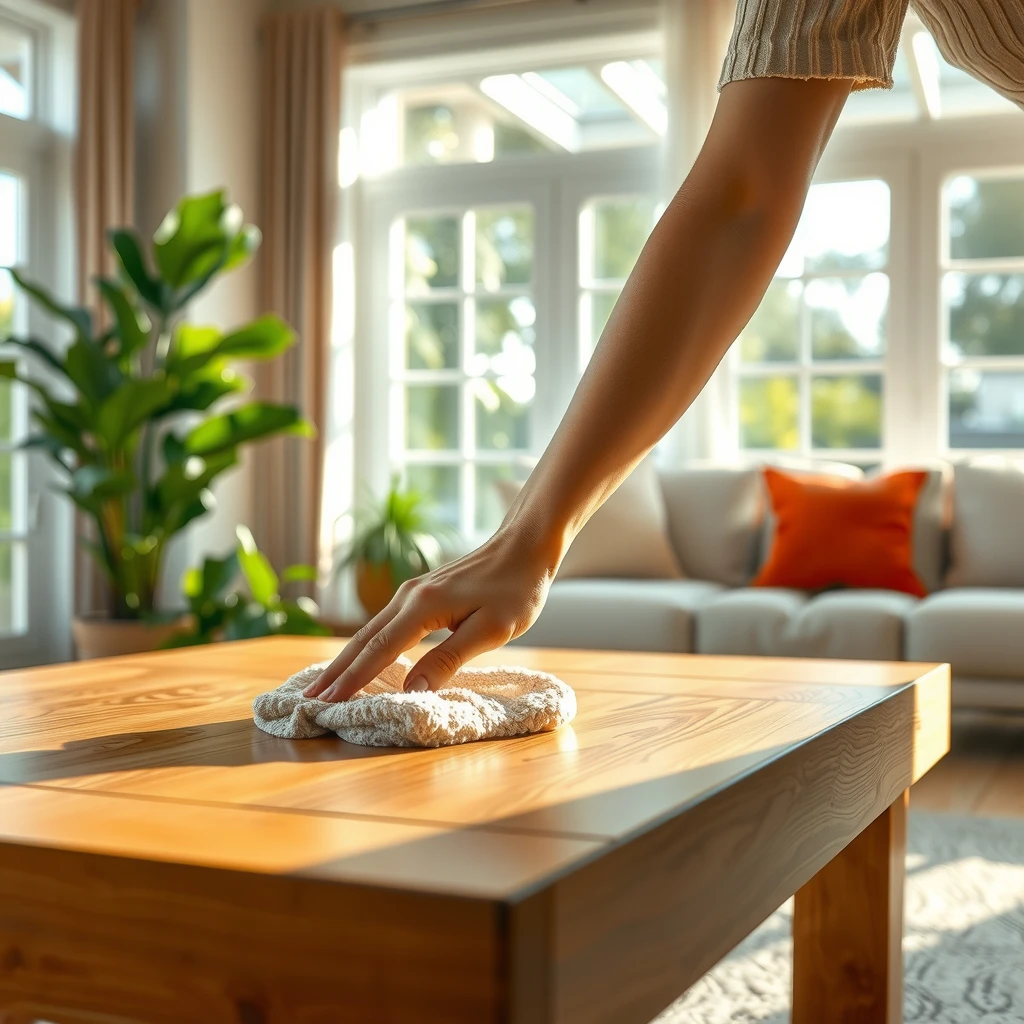
Daily Habits: - Dust weekly with a soft, lint-free cloth. Go with the grain to avoid scratches. - Use coasters for drinks and placemats for hot dishes.
Cleaning: - Wipe spills immediately with a damp cloth, then dry right away. - For deeper clean, mix mild soap with water. Avoid harsh chemicals – they strip the finish.
Polishing and Protection: - Polish every 6 months with a quality wax or oil made for wood. - Keep away from direct sun and heat sources to prevent fading and cracking.
In my experience, placing felt pads under lamps and decor stops dents. For antique wood, less is more – over-polishing builds up residue.
| Common Wood Issues | Quick Fix |
|---|---|
| Scratches | Rub with a walnut or use a matching touch-up marker |
| Water rings | Apply mayonnaise overnight, then wipe off |
| Dryness | Use furniture oil sparingly |
Many experts recommend avoiding silicone-based polishes on fine wood, as they can damage the finish over time.
Leather Furniture Care
Leather adds luxury to sofas and beds. It ages beautifully but needs protection from drying out.
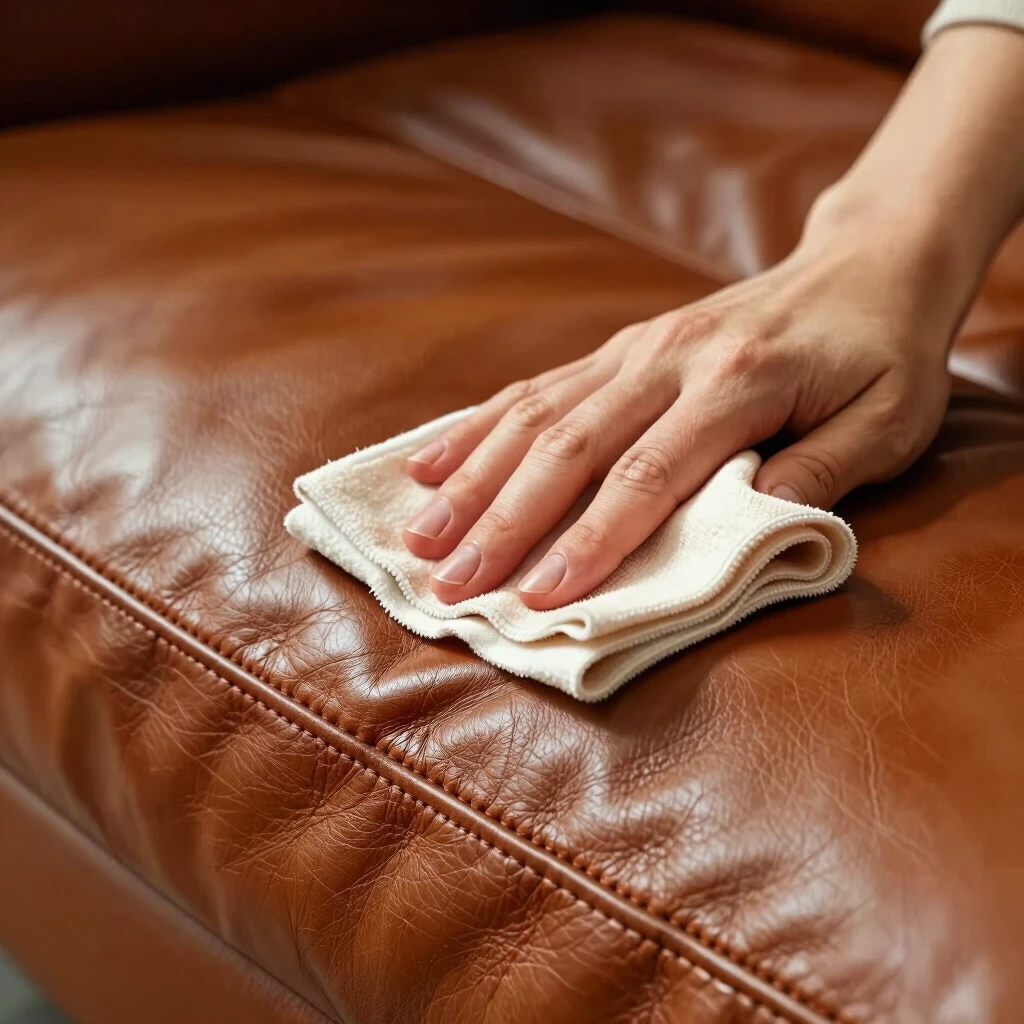
Routine Maintenance: - Dust with a dry cloth weekly. - Vacuum crevices gently.
Cleaning Spills: - Blot liquids right away – never rub. - Use a mild soap solution for stains, then rinse with a damp cloth and dry.
Conditioning: - Apply leather conditioner every 6-12 months. It keeps the material soft and prevents cracks. - Test products on a hidden spot first.
I've seen leather sofas crack from dry air in winter. A good conditioner fixed my own chair after it started feeling stiff. Avoid sunlight, as it fades color.
Types of Leather and Care: - Aniline: Soft but stains easily – condition often. - Protected: More durable, easier to clean.
Professional cleaning every few years helps for deep dirt.
Upholstered Fabric Furniture
Fabric covers most sofas, chairs, and some bed frames. It traps dust and shows stains quickly.
Prevention First: - Vacuum weekly with an upholstery attachment. - Rotate cushions for even wear.
Spot Cleaning: - Check the tag: W (water-based cleaner), S (solvent), WS (either), X (vacuum only). - Blot spills, don't scrub. - For water-safe fabrics, use mild soap and water.
My family sofa survived kids' messes because we acted fast on spills. Professional steam cleaning every 1-2 years refreshes it completely.
Use these codes to pick the right cleaner: - W: Mild detergent solution - S: Dry cleaning solvent - X: Professional only
Metal and Glass Furniture
Metal frames beds or tables, and glass tops add modern touch.
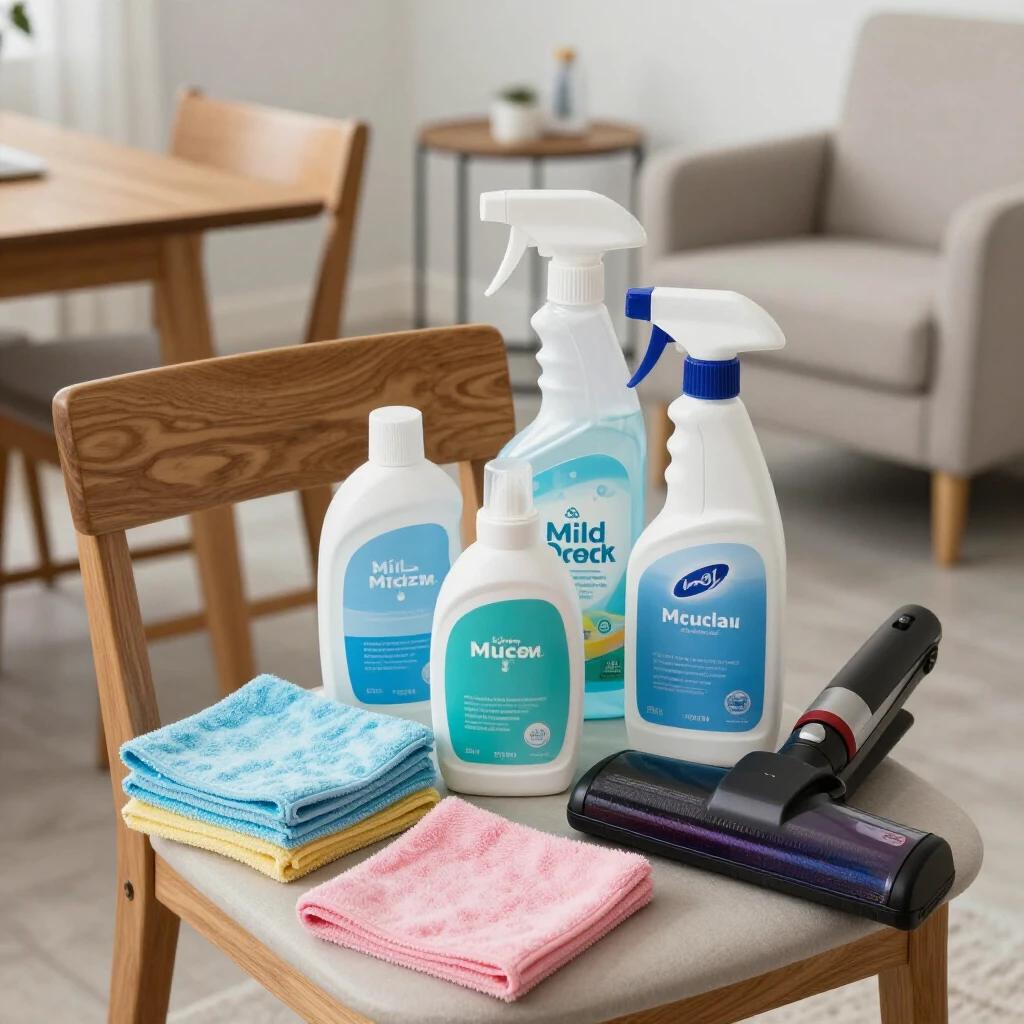
Metal Care: - Dust regularly. - For rust spots on outdoor metal, use a gentle scrub and apply protectant. - Indoor metal: Wipe with damp cloth, dry fully.
Glass: - Use glass cleaner or vinegar-water mix. - Wipe with microfiber to avoid streaks. - Support glass tops properly to prevent cracks.
These materials forgive more, but fingerprints show up fast on glass.
General Tips for All Furniture
- Control humidity: 40-60% ideal to prevent wood swelling or leather drying.
- Use protective pads and covers when needed.
- Avoid dragging heavy pieces – lift instead.
- Keep pets' claws trimmed if they climb on furniture.
Small efforts weekly beat big repairs later.
Good furniture care for different materials extends life and keeps your home inviting. Start with one habit, like weekly dusting, and build from there. Your bed and other furniture will thank you by staying beautiful for years.