



Featured Post
Biophilic Design: Bringing Nature into Your Living Space
A Quick Overview
Biophilic Design: Bringing Nature into Your Living Space means weaving elements of the outdoors into your home. Think plants, natural light, and earthy materials that boost your mood and health. This approach turns everyday rooms into peaceful retreats. In about 1500 words, we'll dive into tips, benefits, and fresh ideas tied to Top Furniture Trends for 2025.
What Is Biophilic Design?
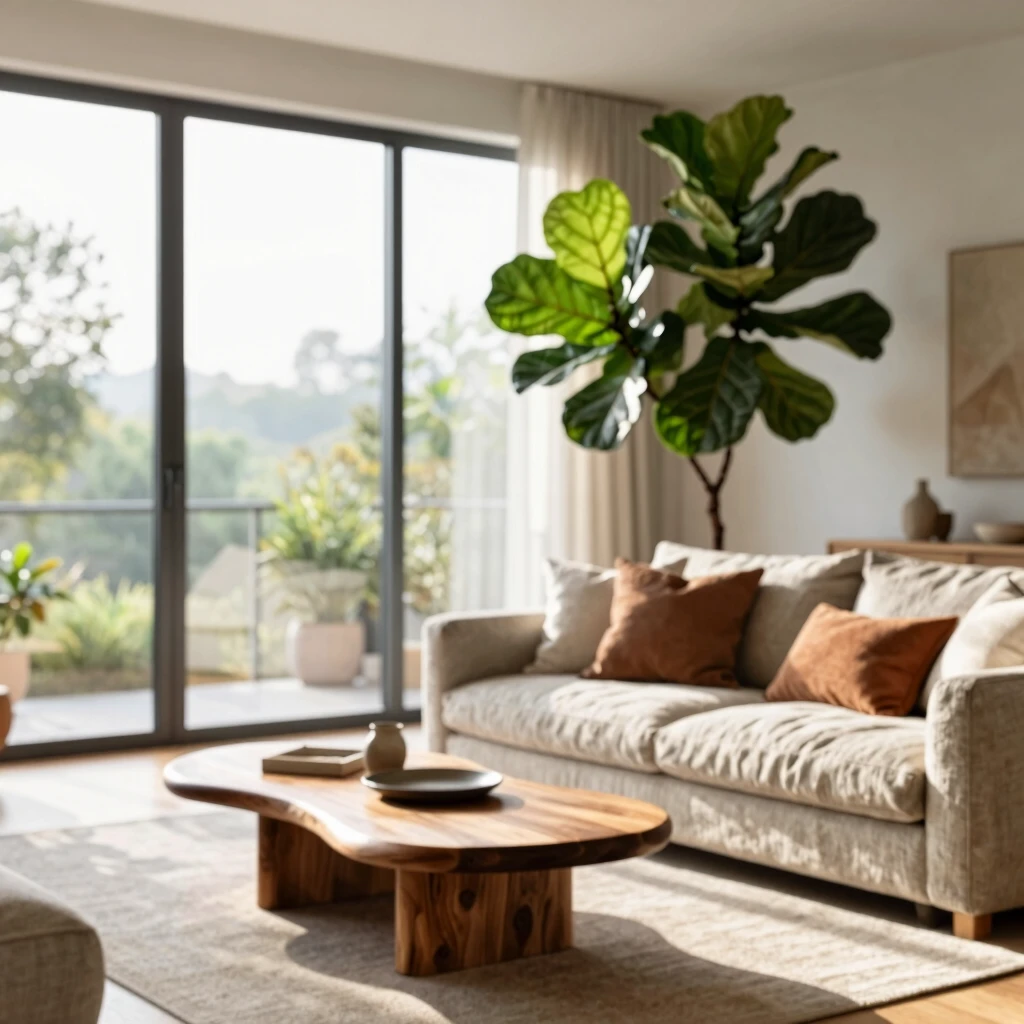
Biophilic design draws from our deep-rooted love for nature. It started gaining steam in the 1980s, thanks to biologist E.O. Wilson who coined 'biophilia'—our innate bond with living systems. Today, it shapes homes, offices, and even hospitals.
I remember moving into my first small apartment. The concrete walls felt cold and draining. Then I added a few succulents and opened the blinds wider. Suddenly, the space felt alive. That simple shift sparked my passion for this style.
At its core, biophilic design uses six key elements: visual connections to nature, non-visual ones like sounds, and even complex patterns that mimic natural fractals. It goes beyond decor—it's about feeling grounded.
Experts at the Terrapin Bright Green group outline these principles clearly. They help us create spaces that heal and inspire. If you're curious, check their guide here.
Why Bring Nature Inside? The Real Benefits
You might wonder: Does staring at a plant really change anything? Yes—it does. Studies show biophilic elements cut stress by up to 60%. People in nature-filled rooms report better focus and sleep.
Take healthcare settings. Hospitals with green views help patients recover faster, per research from the University of Minnesota. In homes, it's similar. I once tracked my own mood after adding indoor greenery. My anxiety dipped noticeably after two weeks.
Here's a quick list of top perks:
- Boosted Mood: Natural views lift spirits and ease depression symptoms.
- Sharper Focus: Greenery sharpens concentration, ideal for work-from-home setups.
- Better Health: Lower blood pressure and fewer sick days come from fresh air and plants.
- Eco Wins: It encourages sustainable choices, like using reclaimed wood.
A study by Harvard T.H. Chan School of Public Health backs this up. They found office workers with plants took 15% fewer sick days. Imagine that in your living room—fewer headaches, more joy. Read more.
Biophilic design isn't a fad. It's a smart way to live better, backed by science.
Key Principles to Get Started
Ready to try it? Start with these core ideas from biophilic experts. I'll break them down simply, with tips you can use today.
1. Nature in the Space
Bring living things inside. Add potted ferns or a vertical garden wall. In my kitchen, a herb shelf by the window freshens meals and the air.
2. Natural Analogues
Use patterns that echo the outdoors—like wavy rugs mimicking waves or leaf-printed fabrics.
3. Refuge and Prospect
Create cozy nooks with views. A window seat overlooking trees feels safe yet expansive.
For a handy guide, see this table:
| Principle | Example | Quick Win |
|---|---|---|
| Visual Connection | Large windows | Hang sheer curtains |
| Non-Rhythmic Sensory | Bird sounds via app | Play nature playlists |
| Complexity & Order | Layered plants | Mix heights and textures |
These steps make your home feel dynamic without overhaul.
Practical Ways to Infuse Nature
Let's get hands-on. You don't need a big budget or yard. Small tweaks yield big calm.
Maximize Natural Light
Light is life. Swap heavy drapes for sheer ones. I added skylight-style mirrors in my dim hallway—game-changer.
Pro tip: Position sofas near windows for that golden-hour glow.
Add Plants Everywhere
Start easy: Snake plants for low light, or monstera for drama. They purify air too—NASA says so.
In bedrooms, lavender pots soothe sleep. Group them in odd numbers for natural flow.
Incorporate Water Features
A tabletop fountain bubbles like a stream. Place one by your reading chair. The sound melts stress away.
Choose Earthy Materials
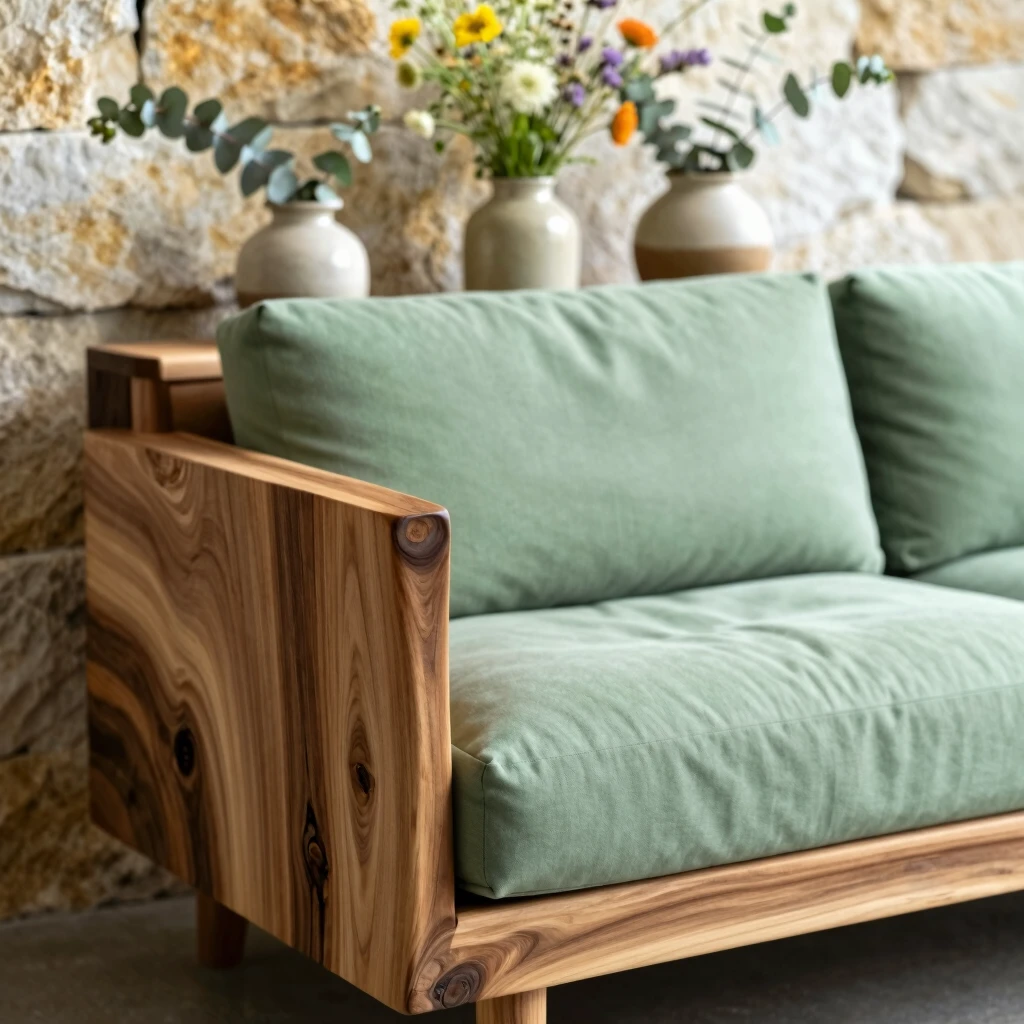
Opt for wood, stone, or linen over synthetics. They warm the soul.
Biophilic Design Meets Furniture: Top Trends for 2025
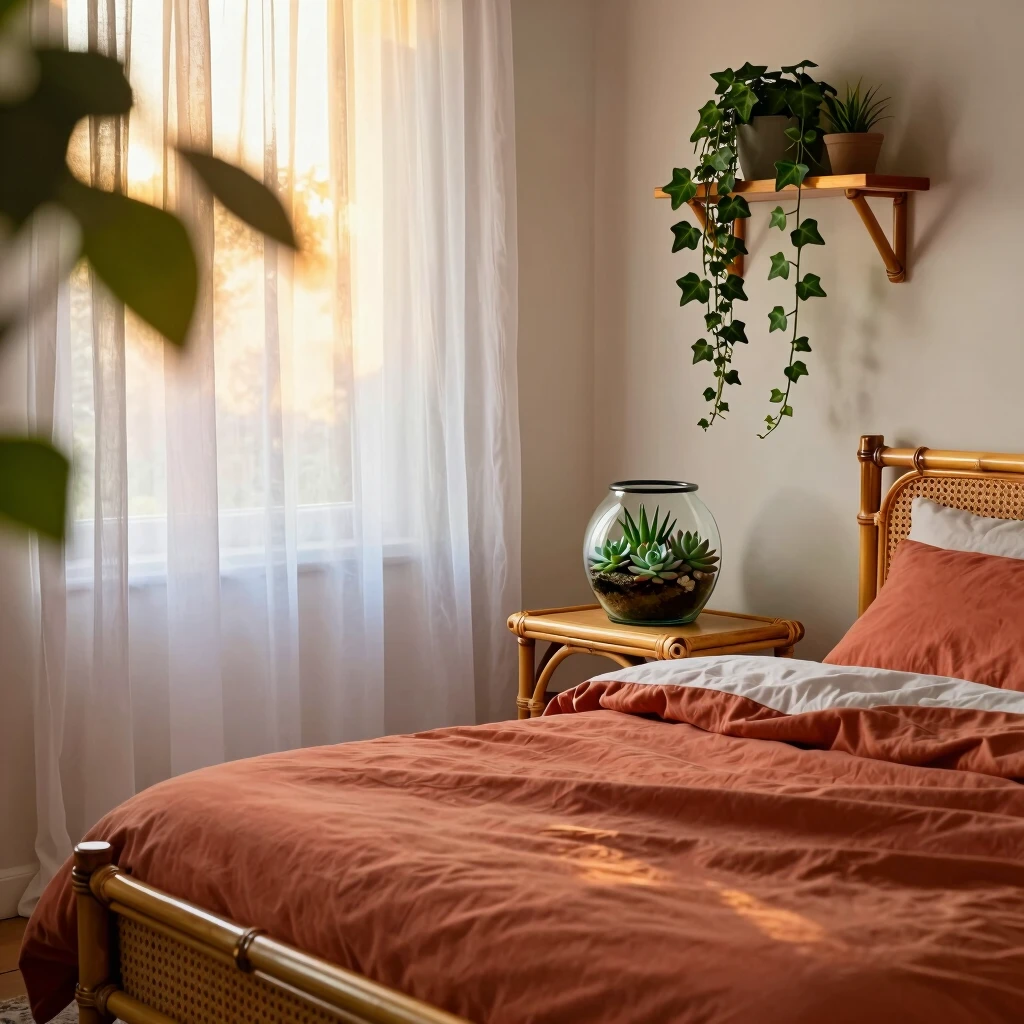
Furniture ties it all together. Enter Top Furniture Trends for 2025: All about organic shapes and sustainable vibes. Designers predict a surge in pieces that blend seamlessly with nature.
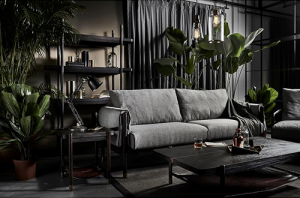
Think curved sofas in rattan or reclaimed oak tables. These aren't just pretty—they ground you. In my redesign last year, swapping a metal frame for bamboo shelves transformed the vibe.
Key trends:
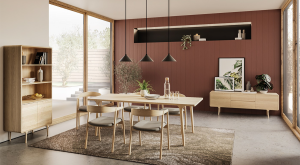
- Natural Woods: Walnut and oak in live-edge finishes. Warm and timeless.
- Textured Fabrics: Linen and jute for sofas—breathable and soft.
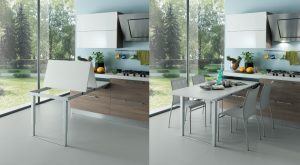
- Modular Pieces: Adaptable furniture like stackable stools from cork.
- Integrated Greenery: Planters built into side tables.
According to Architectural Digest, darker woods like mahogany lead the pack. See their 2025 forecast.
A biophilic sofa? Picture one with built-in plant ledges. It's functional art.
For homes, these trends mean comfier, greener living. Brands like West Elm push multifunctional sofas that double as loungers with hidden storage for books or blankets.
Smart Shopping: Sofa and Furniture Sale Events
Excited to upgrade? Time your buys with sofa and furniture sale events. 2025 offers prime windows.
- Presidents' Day (Feb 17-19): Up to 50% off at Crate & Barrel. Snag that dream wooden armchair.
- Memorial Day (May 27-30): Slumberland slashes prices on sofas—perfect for outdoor-inspired loungers.
- Way Day (April): Wayfair's blowout for modular pieces.
- Black Friday (Nov 28): Havertys deals on full sets.
I scored my linen sofa during last year's spring sale—half off! Check Forbes' guide for the latest.
Hunt for FSC-certified woods to keep it eco-true. These events make biophilic shifts affordable.
Wrapping It Up
Biophilic Design: Bringing Nature into Your Living Space isn't about perfection—it's about daily peace. From light tweaks to trendy sofas, small steps build big serenity. Embrace 2025's natural trends, shop smart during sales, and watch your home bloom. You've got this—start with one plant today.