









Featured Post
How to Identify Sustainable Furniture Certifications: Your Guide to Greener Living
Quick Overview
Buying furniture that lasts and loves the planet starts with knowing the labels. In this guide, we'll break down how to identify sustainable furniture certifications, share real tips for eco-friendly picks, and help you furnish your space smartly—all in about 1500 words of straightforward advice.
Why Go for Sustainable Furniture?
I've always loved hunting for that perfect couch or table—the one that ties a room together. But a few years back, after reading about deforestation and toxic chemicals in homes, I shifted my focus. Sustainable furniture isn't just a trend; it's a smart move for your wallet, health, and the earth.
Think about it: Traditional furniture often relies on fast-cut woods and synthetic materials that off-gas harmful stuff into your air. Sustainable options cut that down. They support forests, fair workers, and cleaner living. Plus, quality pieces last longer, saving you money over time.
In my own apartment redo, I swapped an old particleboard shelf for a reclaimed wood one. The difference? No more weird smells, and it feels solid. If you're wondering how to choose the right furniture for your home, start here with certifications—they're your roadmap.

What Are Sustainable Furniture Certifications?
Certifications act like badges of honor from trusted groups. They prove a piece meets strict rules on sourcing, making, and impact. No greenwashing here—these are backed by audits and science.
From my chats with designers, the best ones cover wood origins, fabric safety, and emissions. They're not always flashy labels; sometimes they're subtle tags or online verifications. But spotting them empowers you to make eco-friendly furniture choices for sustainable living.
Let's dive into the top ones. I'll keep it simple, with what they mean and why they rock.
Key Certifications to Know
Here's a quick table of must-know labels. I pulled these from reliable sources like the Forest Stewardship Council and UL Environment. Use it as your shopping cheat sheet.
| Certification | What It Covers | Why It Matters |
|---|---|---|
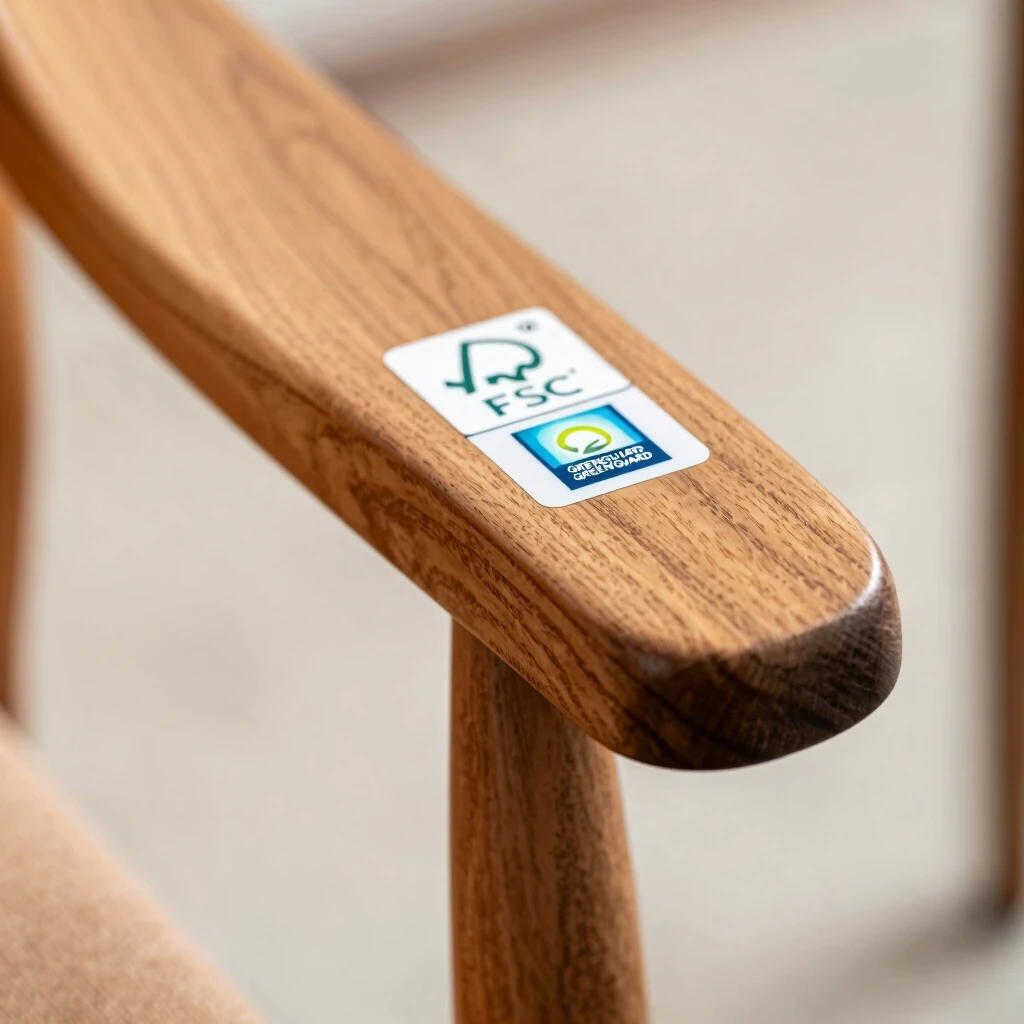
| FSC (Forest Stewardship Council) | Ensures wood from well-managed forests, no illegal logging. | Protects biodiversity; I love it for tables—traceable back to the tree! Learn more. |
| GOTS (Global Organic Textile Standard) | Organic fabrics (95%+), no toxic dyes, fair labor. | Great for sofas; keeps your skin safe and workers treated right. |
| GREENGUARD Gold | Low VOC emissions from materials and finishes. | Improves indoor air—crucial if you have kids or pets sniffing around. Details here. |
| OEKO-TEX Standard 100 | Tests every part (wood, fabric, metal) for harmful chemicals. | All-around safety; my go-to for mixed-material chairs. |
| BIFMA LEVEL | Full lifecycle: materials, energy use, recyclability. Levels 1-3. | Office or home, it rates sustainability holistically. |
| Fair Trade Certified | Ethical pay and safe conditions for artisans. | Feels good knowing your rug supports families, not factories. |
| Cradle to Cradle | Designs for reuse, no waste, safe chemistry. | Future-proof; pieces that 'cradle' the planet. |
| PEFC (Programme for the Endorsement of Forest Certification) | Sustainable forest management, similar to FSC but broader. | Covers more global chains; solid for international buys. |
This isn't exhaustive—check the Sustainable Furnishings Council Scorecard for brand ratings. In 2025, they're spotlighting top wood furniture performers.
How to Identify Sustainable Furniture Certifications Like a Pro
Spotting these isn't rocket science, but it takes a keen eye. First, flip tags or ask for docs. Real certifications have holograms, serial numbers, or QR codes linking to verifiers.
I once almost bought a 'green' dresser without checking. Turns out, the label was vague. Pro tip: Use apps like Good On You or the cert bodies' sites to scan and confirm.
Look for chains of custody—FSC's CoC means the wood stayed certified from forest to floor. For fabrics, GOTS seals mean organic bliss. And always cross-check: If a site claims B Corp, verify on bcorporation.net.
In stores, chat with staff. 'What's your sourcing story?' reveals a lot. Online? Read third-party reviews and avoid 'eco' buzzwords without proof.
My Real-Life Wins and Fails with Certified Pieces
Let me share a story. Last spring, I scored a GOTS-certified linen armchair for my reading nook. It arrived smelling like fresh air, not chemicals. After a year, it still looks new—soft, sturdy, and zero fading.
But here's the flip: I grabbed a cheap 'bamboo' lamp without OEKO-TEX. It off-gassed for weeks, giving me headaches. Lesson learned—certifications save headaches (and returns).
From that, I built habits. Now, I mix certified woods with upcycled finds. It's turned my space into a cozy, guilt-free haven. You can too, even on a budget.
Tie It All Together: Smart Shopping and Care
certifications are your foundation, but layer on more for full impact. For budget-friendly furniture shopping tips, hunt sales at certified brands like Avocado or West Elm—they often discount FSC pieces.
Hunt thrift stores for vintage, then refinish with low-VOC paints. Or join co-ops for bulk eco-buys. Aim for multi-use items: A certified ottoman that doubles as storage? Genius.
Once home, follow furniture care and maintenance tips: Dust with microfiber, spot-clean with natural soaps. For woods, use beeswax polish yearly. Leather? Condition with plant-based oils. These keep your investment shining and sustainable.
Quick Care Checklist
- Wood: Wipe spills fast; avoid direct sun.
- Fabrics: Vacuum weekly; steam clean gently.
- General: Rotate pieces to even wear; recycle old stuff responsibly.

Choosing the Right Fit for Your Space
Pair certifications with your life. Small apartment? Go modular FSC shelves. Big family? Durable GOTS sofas that handle spills.
Measure twice, love once. Test for comfort—sit, lean, imagine movie nights. Colors? Neutrals age well, blending with evolving styles.
Pro move: Sketch your room, note traffic flow. A certified console in the entry? It welcomes guests with green vibes. Remember, sustainable doesn't mean bland—brands like Sabai nail modern looks with ethics.
Wrapping It Up
You've got the tools now to identify sustainable furniture certifications confidently. From FSC woods to GREENGUARD airs, these labels guide eco-friendly furniture choices for sustainable living. Start small—one piece at a time—and watch your home transform. It's easier than you think, and the planet (and your future self) will thank you. Ready to shop? Your greener nest awaits.