


Featured Post
Standing Desks: Benefits and Tips for a Healthier Workspace
Overview
Standing desks have become a game-changer for people looking to improve their health and productivity at work or home. Unlike traditional desks, standing desks allow you to alternate between sitting and standing, promoting better posture and reducing the risks of a sedentary lifestyle. This article dives into the benefits of standing desks and shares actionable tips to help you create an ergonomic workstation that fits your needs.
Why Choose a Standing Desk?
Sitting for long hours can take a toll on your body. I’ve personally felt the stiffness in my back after a long day at a traditional desk, and it’s not fun. Research backs this up: prolonged sitting is linked to health issues like back pain, obesity, and even heart disease. A study from the University of Waterloo found that standing for parts of the day can reduce lower back pain by up to 50% for some people.
Standing desks offer a simple solution. They let you switch positions easily, keeping your body active and engaged. Whether you’re working from a home office or a corporate setting, incorporating a standing desk into your routine can make a big difference.
Key Benefits of Standing Desks
Let’s break down why standing desks are worth considering:
- Improved Posture: Standing encourages better spinal alignment. I’ve noticed that when I stand, I’m less likely to slouch compared to sitting in a chair all day.
- Reduced Back Pain: Alternating between sitting and standing takes pressure off your lower back. The American Chiropractic Association notes that dynamic workstations can ease muscle tension.
- Increased Energy and Focus: Standing keeps blood flowing, which can boost alertness. I find I’m more productive during standing sessions, especially in the afternoon when energy dips.
- Calorie Burn: While it’s not a workout, standing burns more calories than sitting. A Harvard Medical School study estimates you can burn an extra 8 calories per hour standing.
- Long-Term Health Benefits: Standing desks may lower risks of obesity, diabetes, and heart disease by reducing sedentary time.
Choosing the Right Standing Desk
Not all standing desks are created equal. Here’s what to look for when picking one:
| Feature | Why It Matters |
|---|---|
| Adjustability | Look for desks with smooth height adjustments (manual or electric) to switch between sitting and standing easily. |
| Stability | A wobbly desk is distracting. Ensure it’s sturdy at all heights. |
| Surface Area | Make sure there’s enough space for your laptop, monitor, and other essentials. |
| Weight Capacity | Check if it can handle your equipment, especially if you use multiple monitors. |
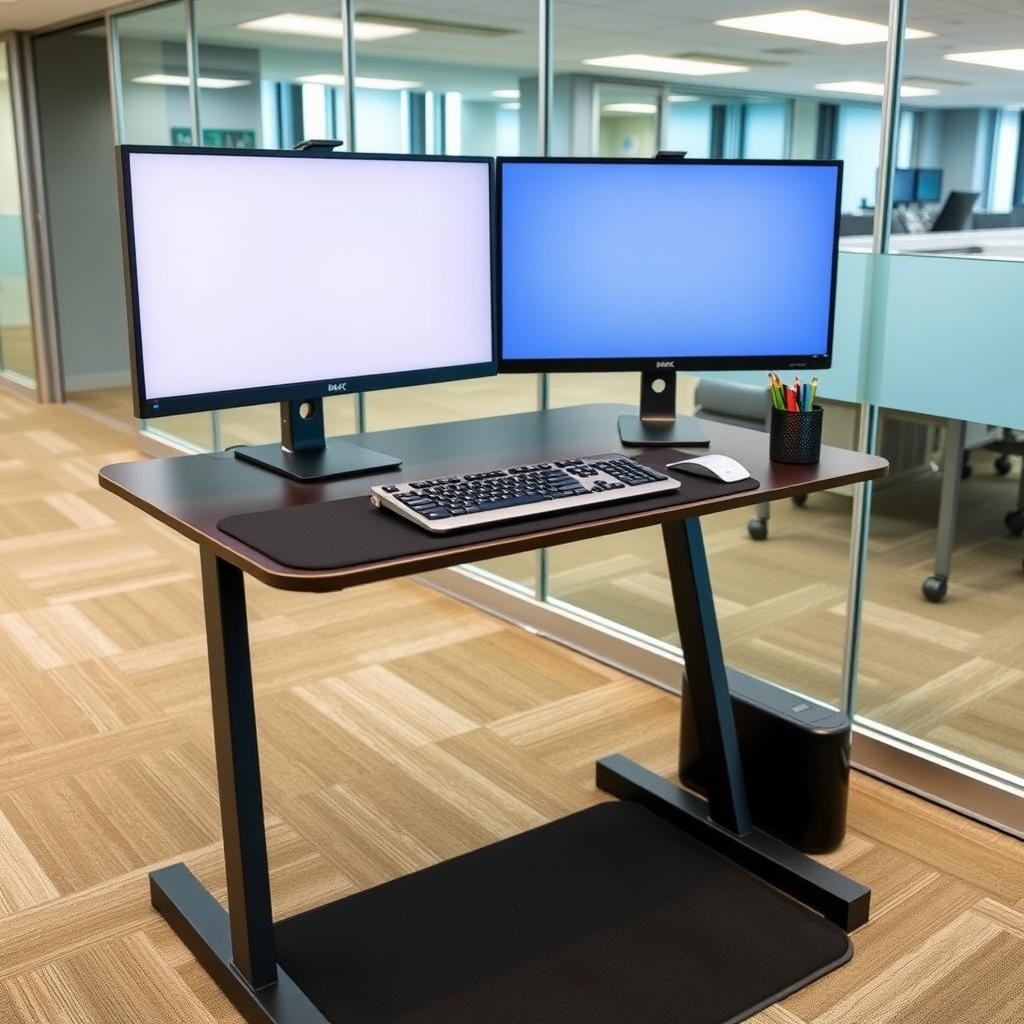
I learned this the hard way when I bought a budget desk that shook every time I typed. Investing in quality office furniture for ergonomic workstations pays off in comfort and durability.
Tips for Using a Standing Desk Effectively
Switching to a standing desk isn’t just about standing all day. Here are some practical tips to get the most out of it:
- Start Slow: If you’re new to standing, begin with 20-30 minute sessions and gradually increase. I started with an hour a day and worked up to half my workday.
- Use an Anti-Fatigue Mat: These cushioned mats reduce strain on your feet and legs. They’re a lifesaver for long standing sessions.
- Adjust Your Desk Height Properly: Your elbows should be at a 90-degree angle when typing, and your monitor should be at eye level. The Occupational Safety and Health Administration (OSHA) recommends this setup for ergonomic comfort.
- Move Regularly: Shift your weight, stretch, or take short walks to avoid stiffness. I set a timer to remind myself to move every hour.
- Invest in Good Footwear: Avoid standing barefoot or in heels. Comfortable, supportive shoes make a big difference.
- Combine with Sitting: Alternate between sitting and standing every 30-60 minutes to avoid fatigue.
Standing Desks and Your Home Environment
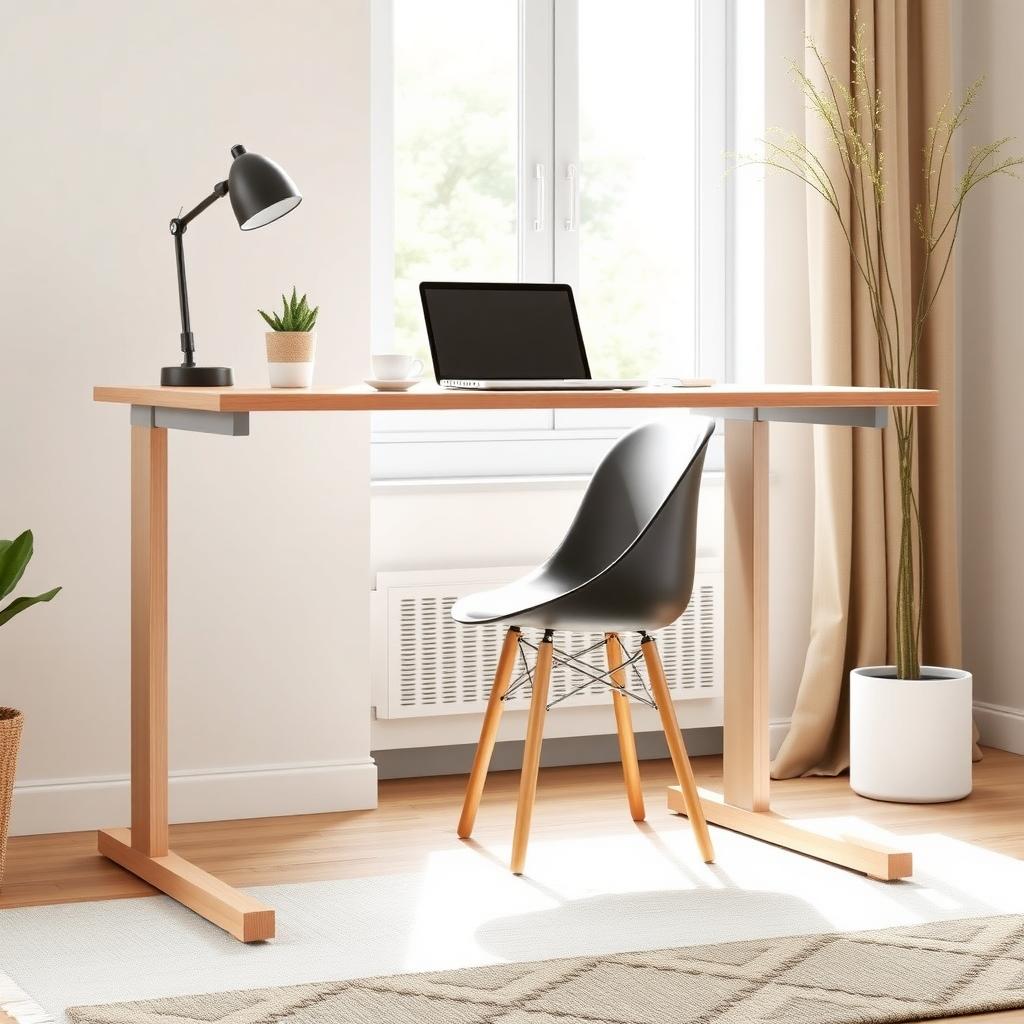
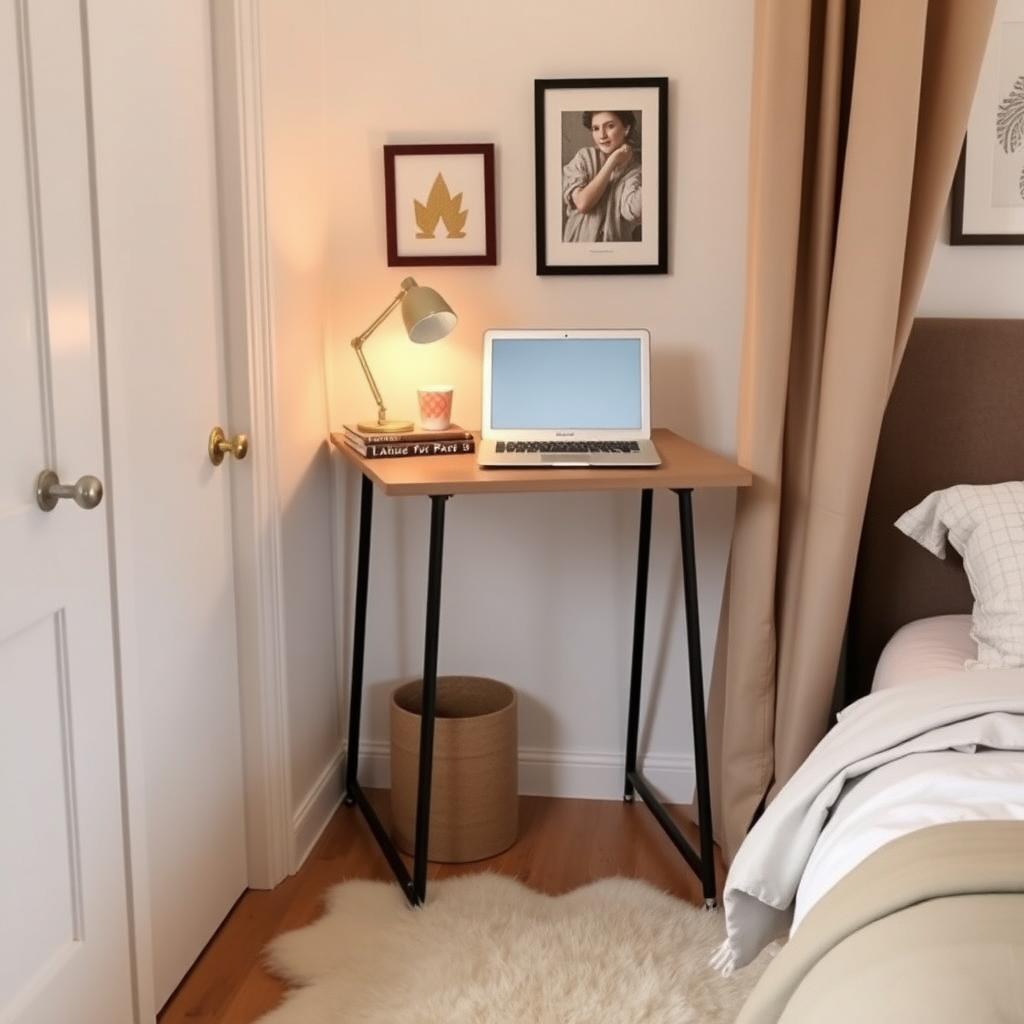
Standing desks aren’t just for offices. They can transform your home workspace, too. If you’re working from home, you might already have a cozy setup with a bed and furniture nearby. A standing desk can fit seamlessly into this space, adding functionality without sacrificing style. I’ve found that placing my standing desk near a window helps me stay energized with natural light.
For small spaces, consider a compact or foldable standing desk. These are great for apartments or shared rooms where space is tight. Pair it with a comfortable chair for when you need to sit, creating a versatile setup.
Common Mistakes to Avoid
When I first got my standing desk, I made some rookie mistakes. Here’s what to watch out for:
- Standing Too Long: Standing for hours without breaks can lead to foot or leg pain. Listen to your body and sit when needed.
- Poor Desk Setup: If your monitor or keyboard is too high or low, you’ll strain your neck or wrists. Double-check your ergonomics.
- Skipping Movement: Standing still for too long isn’t much better than sitting. Keep moving to stay comfortable.
- Ignoring Accessories: Anti-fatigue mats, monitor arms, and cable organizers make a big difference in comfort and tidiness.
Summary
Standing desks are more than just trendy office furniture for ergonomic workstations—they’re a practical way to boost your health, focus, and comfort. By choosing the right desk, setting it up properly, and following simple tips like alternating positions and using supportive accessories, you can create a workspace that works for you. Whether you’re in a corporate office or working from a cozy corner near your bed, a standing desk can transform how you work and feel.