


Featured Post
Creating Multifunctional Spaces with Adaptable Furniture: Transform Your Home Smartly
Overview
In a world where homes shrink and lives expand, creating multifunctional spaces with adaptable furniture offers a smart solution. This approach turns one room into many—office by day, guest room by night—saving space, money, and stress. Let's dive into how you can make it work for you.
Why Multifunctional Spaces Matter Today
Life moves fast. Many of us juggle work, family, and hobbies in homes that feel too small. According to recent data from the National Association of Home Builders, the average new home size dropped to 2,411 square feet in 2023—the smallest in over a decade. Urban areas push this trend further, with two-thirds of the global population expected to live in cities by 2050, per United Nations projections.
This squeeze demands creativity. Creating multifunctional spaces with adaptable furniture lets you reclaim control. Imagine a living room that doubles as a dining area or a bedroom that hides away during the day. It's not just about fitting more in—it's about living better.
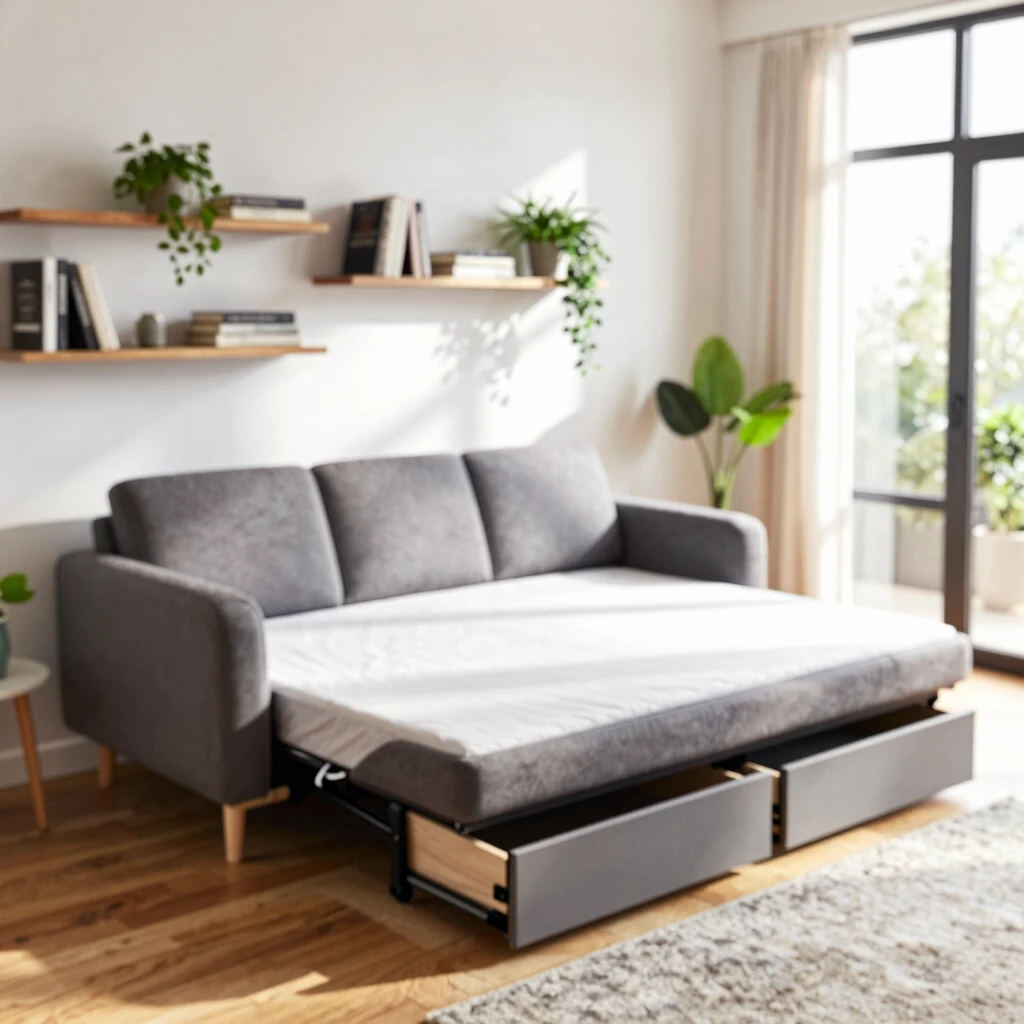
I remember my first tiny apartment in the city. At 400 square feet, every corner counted. Clutter built up fast, and I felt trapped. Then I swapped my bulky couch for a sofa bed. Suddenly, the room breathed. Hosting friends meant unfolding the bed for extra seating. That simple change sparked joy and eased daily chaos.
The Key Benefits of Adaptable Furniture
Adaptable furniture does more than save space. It boosts your daily flow. Here's why it shines:
-
Versatility: One piece serves multiple roles. A coffee table becomes a desk for remote work—handy since one in five U.S. workers now logs in from home, according to the Bureau of Labor Statistics.
-
Cost Savings: Buy less, use more. No need for separate guest beds or office setups.
-
Stress Reduction: Open layouts reduce clutter's mental weight. Studies show tidy spaces lower anxiety levels.
-
Sustainability: Longer-lasting pieces cut waste. Reconfigurable designs extend furniture life, aligning with eco-friendly living.
Research backs this up. NASA's lessons from small space design highlight how transformable furniture frees up to 15 cubic meters of volume in tight quarters—think alcove beds that fold away, leaving room for play or work. Applied to homes, it means less wasted square footage and more freedom.
Types of Adaptable Furniture to Try
Choosing the right pieces starts with your needs. Focus on beds, furniture that shifts shapes, and storage that hides in plain sight. Below is a quick guide:
| Type | Examples | Best For |
|---|---|---|
| Convertible Beds | Murphy beds, sofa beds | Guest rooms or studios |
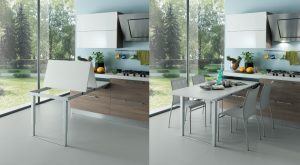
| Modular Tables | Foldable desks, extendable dining sets | Kitchens or offices |
| Multi-Use Seating | Storage ottomans, stackable chairs | Living areas |
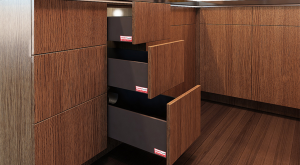
| Wall-Mounted Units | Drop-leaf shelves, hidden cabinets | Hallways or baths |
Start with a bed—it's often the biggest space hog. A Murphy bed tucks into the wall, revealing a workspace underneath. I've used one in my guest room; it turns the space into a yoga studio on weekends.
For everyday wins, grab modular furniture. These pieces snap together like puzzle bits. A set of cubes becomes shelves one day, a room divider the next.
How to Create Your Multifunctional Space: Step-by-Step
Ready to transform? Follow these actionable steps. Measure twice, dream once.
-
Assess Your Space: Walk through each room. Note pain points—like a dining table blocking the hall. Sketch zones for sleep, work, eat, and relax.
-
Prioritize Needs: List must-haves. Need a home office? Opt for a desk that folds flat. Family time? Choose benches with hidden storage.
-
Shop Smart: Look for quality over quantity. Test pieces in-store—does the bed fold smoothly? Check reviews for durability.
-
Layer Layouts: Use rugs to define zones without walls. Add mirrors to bounce light and expand feels.
-
Add Personal Touches: Plants and art keep it warm. Rotate items seasonally to refresh vibes.
In my own setup, I layered a foldable table over a low console. It serves meals or crafts. The key? Keep transitions easy—under 30 seconds per change. This builds habits without frustration.
Experts agree on flexibility's power. The University of Colorado's study on moveable furniture shows how wheeled chairs and collapsible tables boost engagement by 20-30% in shared spaces. At home, this means easier family gatherings or solo unwind time.
Real-Life Insights: My Journey with Adaptable Furniture
Let me share a deeper story. Two years ago, I downsized from a three-bedroom house to a one-bedroom condo. Panic set in—where would holiday dinners go? I dove into research, starting with basics like a loft bed for my office nook. It lifted my desk skyward, freeing floor for a reading chair.
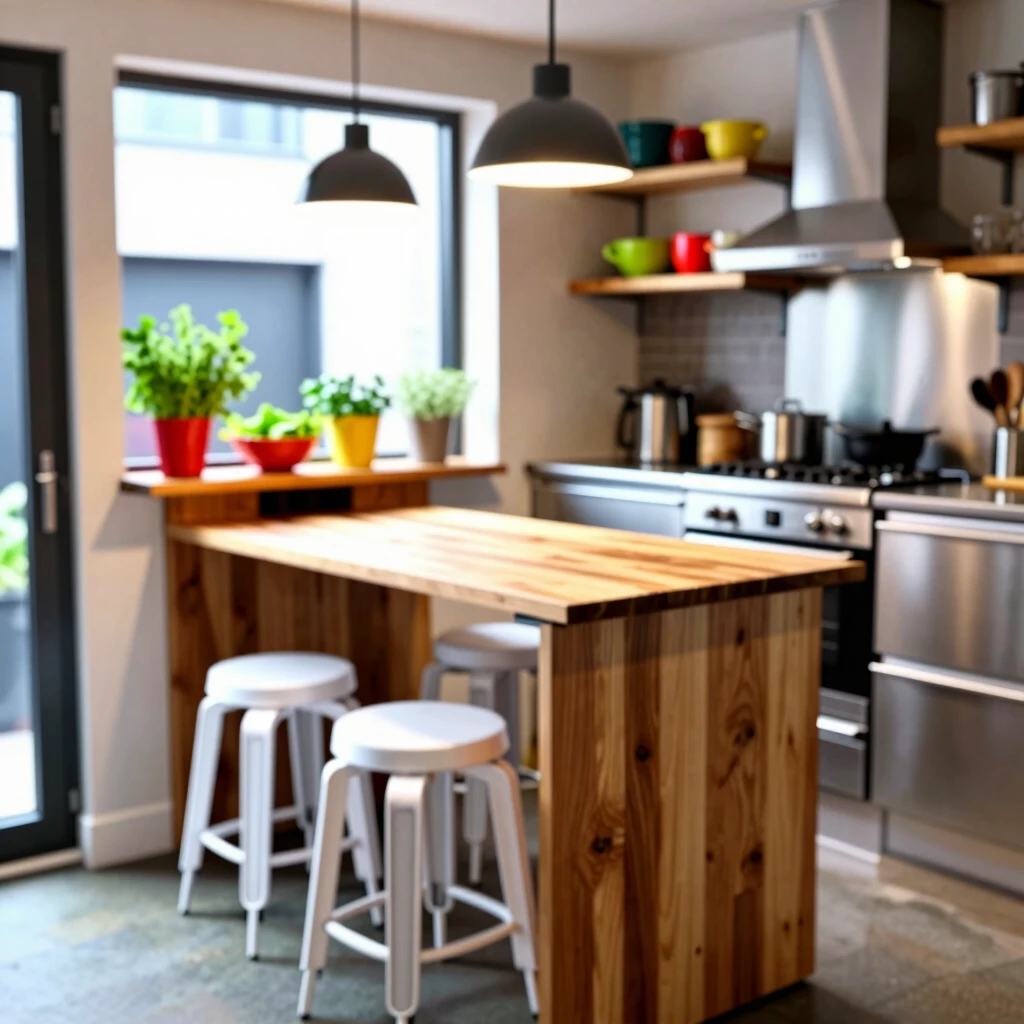
Next came the kitchen revamp. A narrow island doubled as a bar counter. Friends raved; it felt twice the size. Challenges arose, though. Early pieces wobbled, teaching me to invest in sturdy mechanisms.
Today, my space hums. Mornings: desk unfolds for coffee and emails. Evenings: it vanishes for movie nights. This setup cut my stress and sparked creativity—I even started a small herb garden on the windowsill shelf.
Your turn: Start small. Swap one item. Watch the ripple.
Don't overlook community wisdom. Rutgers University's guide to flexible spaces stresses mixing fixed and movable elements for balance. In homes, this means anchoring a bed frame but adding rolling carts for toys or tools.

Overcoming Common Challenges
Not everything's seamless. Budgets bite, and assembly intimidates. Here's how to tackle:
-
Tight Wallet? Hunt sales or DIY. Repurpose crates as shelves.
-
Assembly Fears? Watch tutorials. Enlist a friend—make it fun.
-
Style Clashes? Stick to neutrals; add pops with pillows.
-
Durability Doubts? Read warranties. Quality hinges last years.
One pitfall: Overbuying. Measure ruthlessly. My first cart was too wide—lesson learned.
Pro tip: Schedule 'space audits' quarterly. Tweak as life shifts.
Wrapping It Up
Creating multifunctional spaces with adaptable furniture isn't a trend—it's a lifeline for modern living. From beds that vanish to tables that grow, these tools empower you to thrive in any square footage. You've got the blueprint; now build your haven. Start today, and watch your home expand in ways you never imagined.