






Featured Post
Top 5 Tips for Organizing a Small Nursery
Welcoming a new baby is exciting, but organizing a small nursery can feel overwhelming. With smart planning, you can create a cozy, functional space that works perfectly for you and your little one. Here are the Top 5 Tips for Organizing a Small Nursery to get you started.
Tip 1: Prioritize Multifunctional Furniture
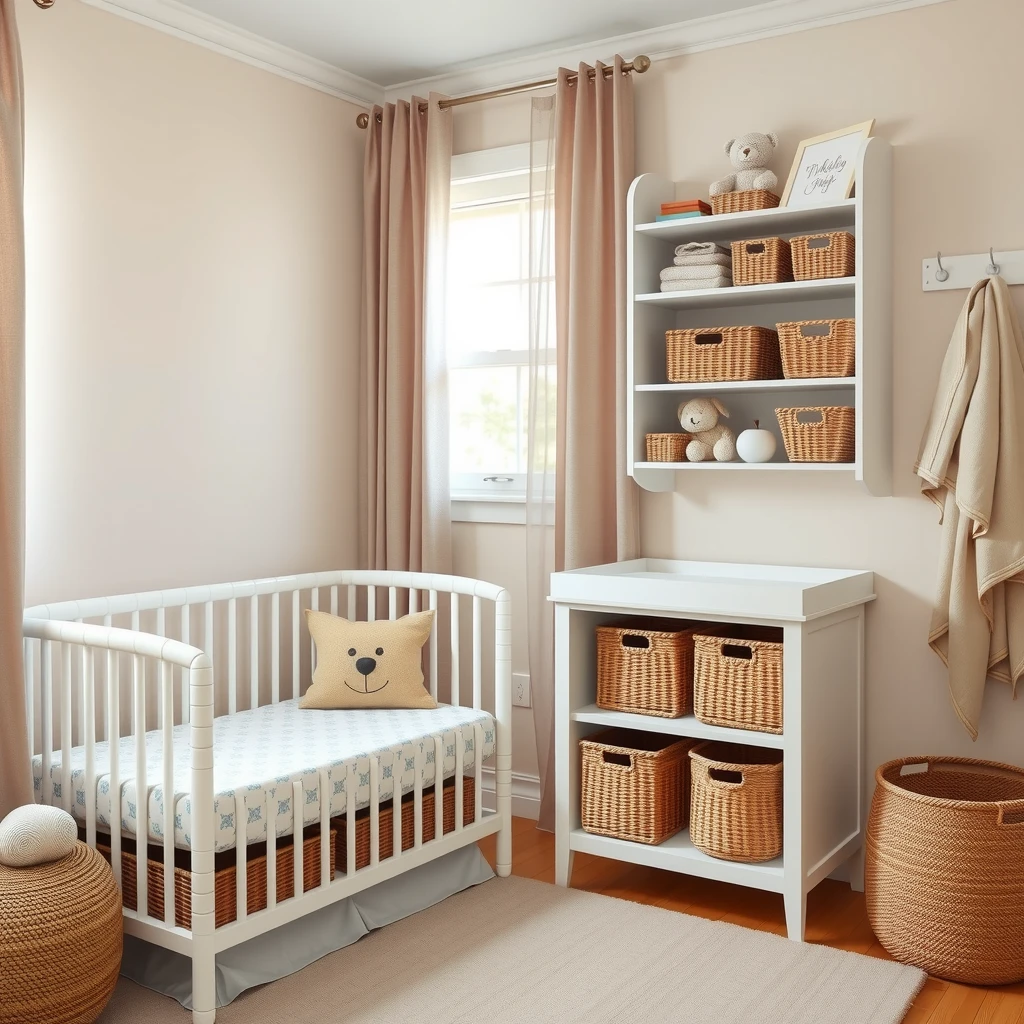
In a small nursery, every piece of furniture should pull double duty. Choose items that offer storage while serving their main purpose.
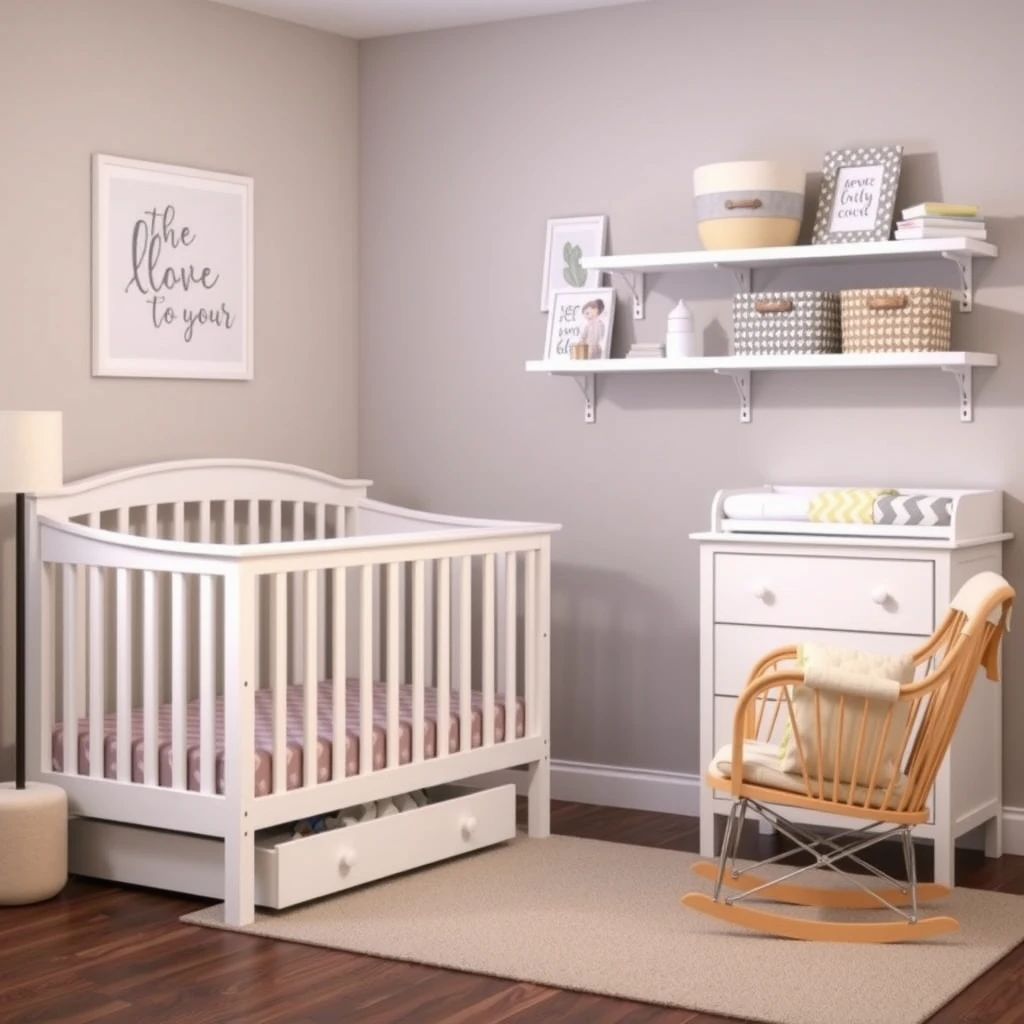
Start with a crib that has built-in drawers underneath. This saves floor space and gives you a spot for blankets, sheets, and extra diapers.
A changing table that doubles as a dresser is another winner. You can use the top for diaper changes and the drawers for clothes and supplies.
Wall-mounted shelves keep toys and books off the floor. Add baskets to these shelves for easy organization.
I remember setting up my first nursery in a tiny apartment. A convertible crib with storage changed everything. It grew with my child and held so much stuff!
Pro tip: Measure your space twice before buying. Leave room to move around safely.
Tip 2: Maximize Vertical Space
When floor space is limited, look up! Vertical storage is your best friend in a small nursery.
Install tall bookcases or floating shelves high on the walls. Use them for items you don't need daily, like extra diapers or seasonal clothes.
Over-the-door organizers work great for shoes, hats, or small toys.
Hanging organizers on the closet rod can hold swaddles, burp cloths, and more.
This approach keeps the floor clear for playtime and makes the room feel bigger.
Here’s a quick list of vertical storage ideas: - Floating wall shelves - Pegboards for hanging bins - Tall narrow dressers - Hanging fabric pockets on the crib side - Command hooks for lightweight items
Tip 3: Creating a Safe Nursery Layout
Safety comes first, especially in a small space where everything is close together.
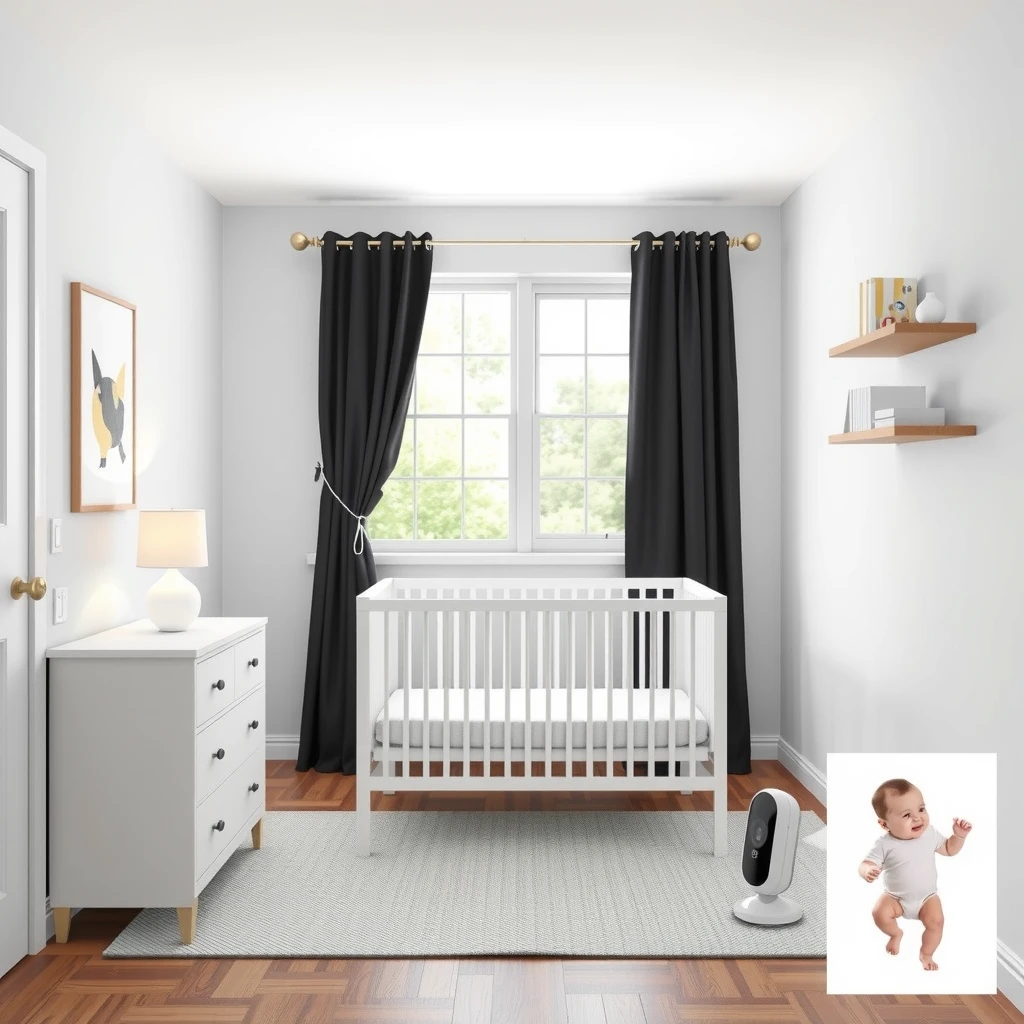
Place the crib away from windows, cords, and heaters. This prevents accidents and keeps your baby comfortable.
Ensure there's enough room to walk around the crib without bumping into other furniture.
Anchor all tall furniture to the wall to prevent tipping.
Keep small items out of reach to avoid choking hazards.
According to the American Academy of Pediatrics, a safe sleep environment reduces risks significantly. Follow their guidelines for bare cribs and firm mattresses.
In my experience, mapping out the layout on paper first helped avoid mistakes.
Tip 4: Nightstands for Kids' Bedrooms and Nurseries
A good nightstand is essential, even in a nursery. It holds essentials like a monitor, wipes, or a water bottle for late-night feedings.
In small spaces, choose compact nightstands with drawers for hidden storage.
Look for ones with rounded edges for safety as your baby grows.
Nightstands for kids' bedrooms and nurseries should be sturdy and easy to clean.
If you're interested in more details, check out these 10 Tips for Choosing the Perfect Nightstand for Your Child’s Bedroom: 1. Measure the height to match the crib or bed 2. Opt for soft-closing drawers 3. Choose non-toxic materials 4. Pick light colors to make the room feel larger 5. Ensure stability 6. Add a lamp with dimmer 7. Include cord management 8. Select easy-to-wipe surfaces 9. Consider mobility with wheels 10. Match the room's theme
A small nightstand next to a glider chair made midnight nursing so much easier for me.
Tip 5: Choosing the Right Lighting for Your Child's Room
Good lighting makes a nursery functional and calming.
Layer your lights: overhead for playtime, a dimmable lamp for feedings, and a soft nightlight for checks without waking baby fully.
Blackout curtains help with naps, while sheer ones let in natural light.
Avoid harsh overhead lights. Go for warm, soft bulbs.
Smart bulbs let you adjust color and brightness from your phone.
Choosing the right lighting for your child's room can improve sleep patterns. Studies show warm light in the evening helps melatonin production.
I love plug-in nightlights with sensors—they turn on only when needed.
With these Top 5 Tips for Organizing a Small Nursery, you can create a beautiful, efficient space that supports your baby's needs and your sanity. Start small, prioritize safety and function, and enjoy the process. Your little one will thrive in a well-organized room, no matter the size.