




Featured Post
Eco-Friendly Design: Choosing Furniture for a Greener Home
Overview
Making

I remember when I first decided to make my home greener. I looked around and realized my old furniture was contributing more to landfills than I wanted. Switching to eco-friendly options felt overwhelming at first, but it quickly became one of the most rewarding changes I've made. Today, my space feels lighter, healthier, and more aligned with my values.
Why Eco-Friendly Furniture Matters
Furniture production has a huge environmental footprint. Traditional manufacturing often relies on virgin wood from endangered forests, synthetic fabrics made from petroleum, and finishes loaded with harmful chemicals. These choices affect air quality, water sources, and wildlife habitats.
By choosing sustainable furniture, you reduce demand for new raw materials, cut down on carbon emissions from shipping, and support ethical labor practices. Many eco-friendly pieces are designed to be repaired or recycled, extending their life cycle far beyond typical throwaway items.
According to environmental experts, the furniture industry contributes significantly to global waste. Opting for better choices helps combat this trend and creates healthier indoor environments for your family.
Key Materials for Sustainable Furniture
When shopping, focus on these materials:
- Responsibly Sourced Wood: Look for certifications like FSC (Forest Stewardship Council) that ensure wood comes from well-managed forests.
- Bamboo and Rattan: These fast-growing plants regenerate quickly and require fewer resources than traditional hardwoods.
- Recycled or Upcycled Materials: Pieces made from reclaimed wood or plastic bottles give new life to existing resources.
- Organic Fabrics: Cotton, linen, or wool grown without pesticides offer comfort and lower chemical exposure.
- Low-VOC Finishes: Water-based paints and stains keep indoor air cleaner.
Avoid furniture made with particleboard containing formaldehyde or synthetic foams that off-gas toxins.

One of my favorite discoveries was a dining table made entirely from reclaimed barn wood. Not only does it tell a story, but it also saved trees from being cut down. The unique grain patterns make it a conversation starter every time guests visit.
Modular Furniture for Versatile Living
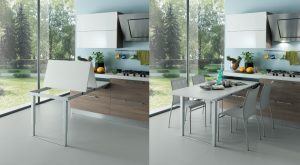
One of the smartest trends in eco-friendly design is modular furniture for versatile living. These systems let you reconfigure pieces as your needs change—perfect for growing families, remote workers, or anyone who moves frequently.
Modular sofas, shelving units, and storage solutions reduce the need to buy entirely new items when your lifestyle shifts. Many use durable, repairable components that extend usability for decades.
For example, a modular bookshelf can transform into a room divider or media console. This flexibility means less waste and more value from each purchase. When I rearranged my home office using modular pieces, I avoided buying three separate items and created exactly the setup I needed.
Spotlight on Timeless Pieces Like the Armoire
Classic items such as the armoire remain popular in sustainable homes. These tall, versatile cabinets offer generous storage without the environmental cost of frequent replacements. Modern versions often feature sustainable woods and handcrafted details.
An armoire can serve as a wardrobe, entertainment center, or display cabinet. Its solid construction typically outlasts trendy flat-pack alternatives. I use one in my bedroom made from reclaimed oak—it holds clothes, books, and family photos while adding warmth and character to the room.
When selecting an armoire or any furniture, check for solid joinery like dovetail drawers instead of glue and staples. Quality construction ensures your investment lasts.
How to Choose Furniture for a Greener Home
Here’s a simple checklist to guide your decisions:
- Research Brands: Support companies transparent about their supply chains and environmental impact.
- Check Certifications: Look for GOTS for textiles, Cradle to Cradle, or Rainforest Alliance seals.
- Consider Size and Scale: Buy only what you need to avoid excess.
- Think Secondhand: Thrift stores, online marketplaces, and vintage shops often have high-quality sustainable options.
- Evaluate Durability: Choose pieces built to last rather than trendy but flimsy designs.
I once bought a secondhand wooden coffee table for a fraction of the price of new. After a simple sanding and oiling, it looked brand new and fits perfectly with my eco-friendly aesthetic.

Caring for Your Eco-Friendly Furniture
Maintenance keeps pieces looking good and functioning longer. Use gentle cleaners, avoid direct sunlight on fabrics, and address scratches promptly. Many manufacturers offer repair kits or services for their sustainable lines.
Rotating cushions and using coasters prevents uneven wear. For wood, periodic conditioning with natural oils maintains the finish.
Benefits Beyond the Environment
Greener furniture often means better health. Lower chemical emissions reduce allergy triggers and improve sleep quality. Many people report feeling more connected to nature when surrounded by natural materials.
The aesthetic appeal of well-crafted sustainable furniture also boosts mental well-being. Clean lines, organic textures, and unique character create spaces that feel authentic rather than mass-produced.
Common Challenges and Solutions
Price can be a hurdle. Sustainable options sometimes cost more upfront, but they save money over time through durability and lower replacement frequency. Start with key pieces and build gradually.
Limited local availability is another issue. Online retailers and specialty stores now ship responsibly sourced items worldwide. Compare total costs including shipping and potential future disposal fees.
Real-Life Example
Last year, my family tackled our living room makeover. We selected a modular sectional made with recycled ocean plastics for the cushions and FSC-certified wood frame. Paired with a reclaimed wood media console and an armoire for storage, the room transformed into our favorite gathering spot. Guests always comment on how welcoming and calm it feels—and I love knowing our choices support a healthier planet.
Summary
Choosing furniture for a greener home combines practicality with purpose. By focusing on quality materials, modular furniture for versatile living, and timeless designs like the armoire, you create a space that’s both beautiful and responsible. Start small, stay curious, and enjoy the process of building a home that reflects your values.
Every piece you select thoughtfully contributes to larger positive change. Your home can be comfortable, stylish, and part of the solution for a more sustainable future.