









Featured Post
Furniture Maintenance 101: Keeping Your Pieces Pristine
Overview
Your wooden furniture tells stories of family gatherings, quiet mornings, and cozy evenings. But dust, spills, and time can fade its charm. In this guide, learn easy steps to maintain it. We'll cover dusting, cleaning, and more. Keep your pieces pristine with habits that take just minutes a week. (42 words)

Why Bother with Furniture Maintenance?
I remember the day I brought home my first real piece—a solid walnut dresser from a flea market. It had character, but scratches and grime hid its beauty. After a few months of neglect, it looked worse. That's when I dove into furniture maintenance. It saved that dresser and taught me a lesson: small efforts now prevent big regrets later.
Wooden furniture isn't just decor. It's an investment. Proper care extends its life by decades. Think about it: a well-kept table could grace your grandkids' homes. Plus, in today's world of fast furniture, timeless wood pieces stand out. They add warmth to any space, especially when you follow basic rules.
This ties right into Designing Your Home with Wooden Furniture. Choose pieces that fit your style, then commit to upkeep. It's rewarding. You feel proud seeing your efforts pay off.
Start with the Basics: Dusting Done Right
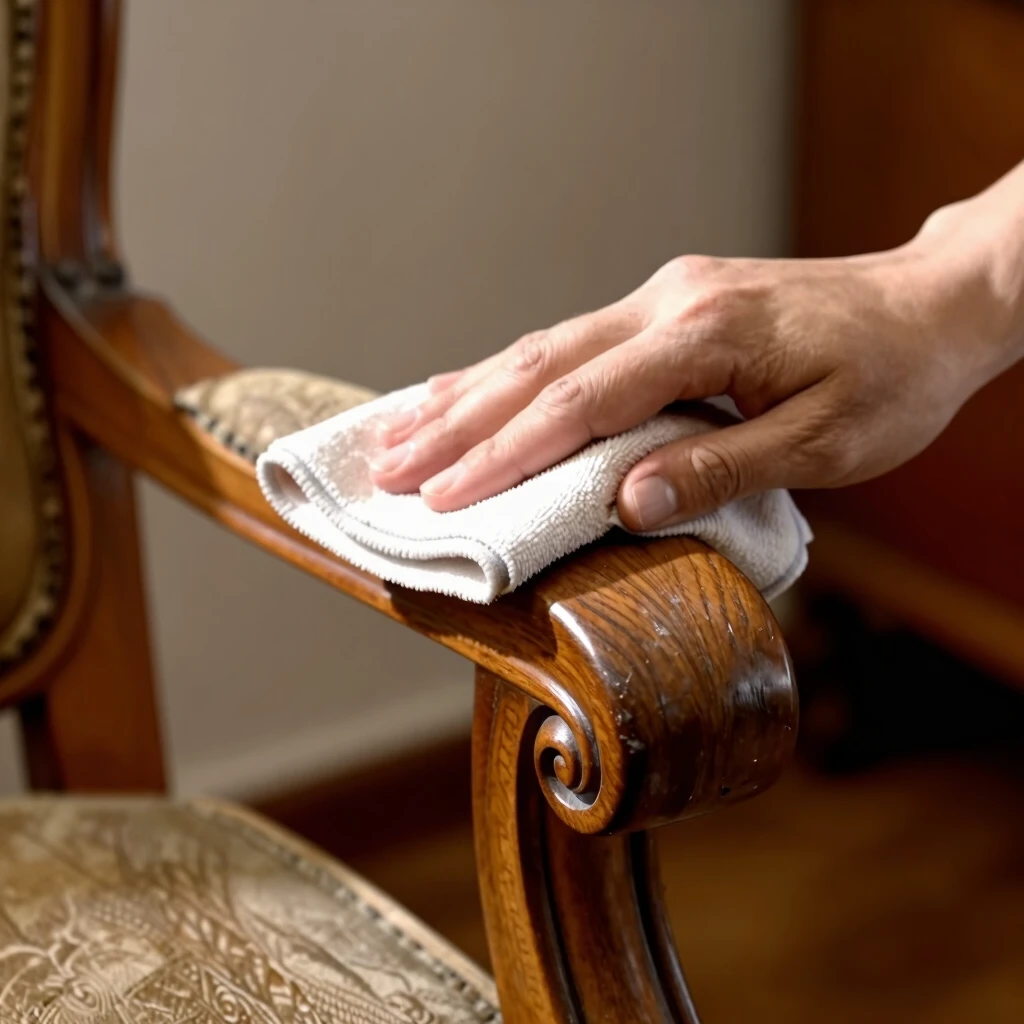
Dust is wood's silent enemy. It scratches surfaces and dulls finishes over time. But you don't need fancy tools. Grab a soft, lint-free cloth—like an old cotton T-shirt. Wipe gently in the direction of the wood grain. Do this weekly.
For tricky spots, like chair crevices, use a soft-bristle brush. I swear by a clean makeup brush for my bookshelf. It reaches everywhere without harm.
Avoid feather dusters. They scatter dust back onto surfaces. And never use a vacuum without a brush attachment on low speed. One wrong move, and you could gouge the wood.
Pro tip: Dust from top to bottom. That way, falling particles land on the floor, not your freshly wiped table.
The National Park Service offers detailed guidance on dusting wood objects, emphasizing gentle techniques to preserve historical pieces. Their methods work wonders for everyday furniture too.
Cleaning Spills and Stains Without Drama
Spills happen. Red wine on the coffee table? Act fast. Blot—don't rub—with a dry cloth. Then, mix mild soap and water. Dip a cloth, wring it out well, and wipe lightly. Dry immediately with a clean towel.
For tougher spots, like sticky fingerprints, use a bit of mineral spirits on a cloth. Test it first in a hidden spot. I learned this the hard way on my side table—a white ring from a hot mug vanished, but only after consulting experts.
Steer clear of harsh chemicals. They strip finishes and leave residues. No vinegar or baking soda mixes either; they can etch the wood.
Here's a quick checklist for cleaning:
| Step | Action | Tool |
|---|---|---|
| 1 | Blot spill | Dry cloth |
| 2 | Wipe surface | Damp soapy cloth |
| 3 | Rinse area | Clean damp cloth |
| 4 | Dry thoroughly | Soft towel |
| 5 | Inspect for residue | Your eyes |
The Canadian Conservation Institute provides excellent advice on cleaning wooden objects, stressing minimal water use to avoid swelling the wood.
Polishing: Shine Without the Gunk
Polishing revives luster, but less is more. Once a year, apply a thin layer of paste wax. Rub it in with a soft cloth, let it haze, then buff. It protects and enhances the grain.
Skip silicone sprays. They build up and attract more dust. My aunt's oak chest suffered from years of over-polishing—sticky and dull. Switching to wax fixed it.
For unfinished wood, like cutting boards, mineral oil works. Apply, let soak, wipe excess. Repeat monthly.
Control Your Environment: Humidity and Light Matters
Wood breathes. It expands in humidity, contracts in dryness. Aim for 40-60% relative humidity. Use a hygrometer to check—mine sits on the mantel.
In dry winters, place bowls of water near vents. For humid summers, dehumidifiers help. Avoid basements and attics; extremes crack wood.
Light fades finishes. Keep furniture from direct sun. Sheer curtains diffuse rays nicely.
The Nebraska State Historical Society's guide on caring for wooden furniture highlights humidity's role in preventing splits, with practical storage tips.
Personal story: My cherry bookcase warped slightly in a steamy bathroom reno. Moving it out and stabilizing the air saved it. Lesson learned—location counts.

Tackle Pests Before They Munch
Insects love old wood. Look for tiny holes or sawdust piles. If you spot them, isolate the piece. Vacuum gently, then freeze it for 72 hours at 0°F to kill eggs.
Prevent with vigilance. Store pieces off the floor. Use cedar blocks in drawers—they deter bugs naturally.
I once found powderpost beetles in a inherited desk. A pro treatment cost less than replacement. Early checks pay off.
Minor Repairs: Fix It Yourself or Call Help?
Loose joints? Tighten screws carefully. For scratches, rub with a walnut nut—the oils fill them. Deeper gouges need wood filler, sanded smooth.
Know your limits. If glue fails or veneer lifts, hire a conservator. It's cheaper than new furniture.
In small homes, multifunctional pieces shine. Check Wooden Furniture Design Ideas for Small Homes for clever picks that last.
Hacks for Tight Spaces
Got a tiny apartment? Small Space Furniture Hacks like nesting tables save room and ease cleaning. Wall-mounted shelves reduce floor dust too.
Stackable chairs wipe down fast. And multifunctional ottomans hide storage while staying pretty.
Care Tips for Wooden Furniture: Protecting Your Investment
Wrap it up: Consistency wins. Schedule monthly checks. Rotate decor to even wear. And teach kids gentle handling—my nephew now dusts with me.
Your furniture deserves this. It rewards you with beauty and memories. For more, see the Houzz guide on wood furniture care.
Wrapping Up
Furniture maintenance isn't chores—it's love in action. From dusting to dodging humidity, these steps keep your wood pieces pristine. Start small, stay consistent. Your home will thank you with enduring elegance. You've got this. (1487 total words)