









Featured Post
Care Tips for Wooden Furniture: Protecting Your Investment
A Quick Overview
Wooden furniture adds warmth and character to any home, but it needs regular care to stay beautiful. In this guide, we'll cover care tips for wooden furniture: protecting your investment through easy routines, smart choices, and avoiding pitfalls. Whether it's a sturdy table or a cozy bed, these steps help your pieces last a lifetime. (38 words)
Why Wooden Furniture Deserves Extra Attention
I remember the day I brought home my first antique oak dresser. It was a steal at a flea market, but without proper care, it quickly showed signs of wear—scratches from hasty moves and dull spots from uneven sunlight. That experience taught me that wooden furniture isn't just decor; it's an investment in comfort and style.
Wood breathes. It expands in humidity and contracts in dry air. Unlike metal or plastic, it reacts to its environment. Neglect it, and you face cracks, warping, or fading. But with consistent effort, you preserve its natural beauty and value.
Start by understanding your furniture's material. Oak withstands daily use better than pine, which scratches easily. Cherry darkens gracefully over time, while maple stays light and bright. Knowing this helps tailor your approach.
Daily Care Tips: Keep It Simple and Consistent
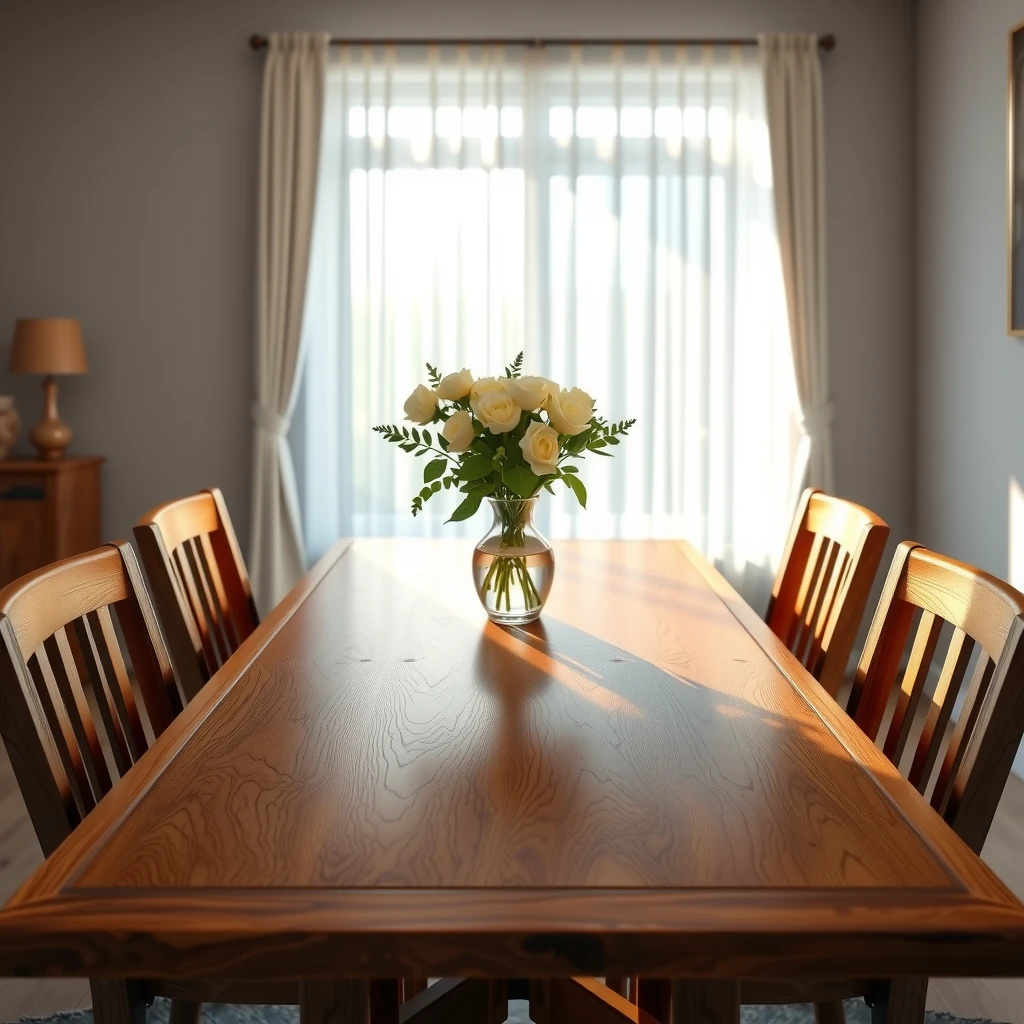
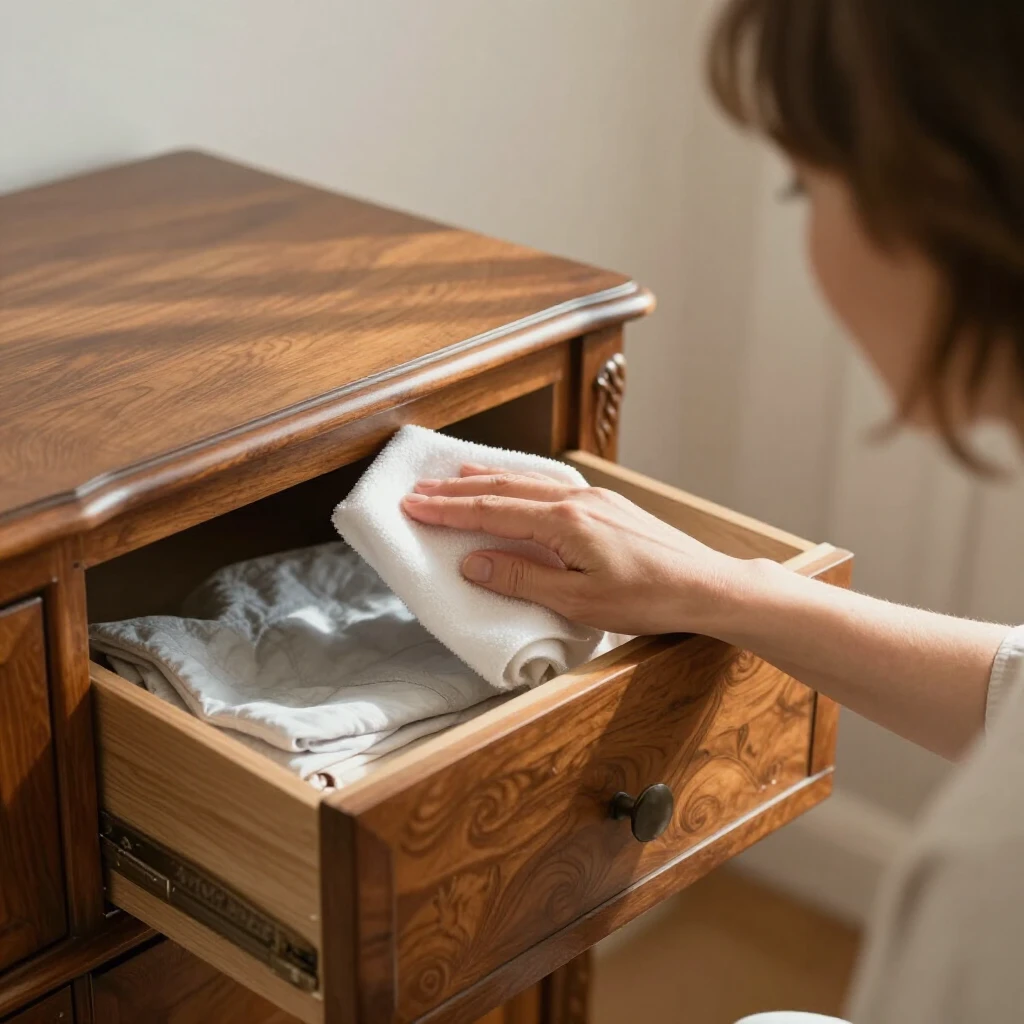
Dust your wooden furniture weekly. Use a soft, microfiber cloth to wipe surfaces gently. Avoid feather dusters—they scatter particles into cracks. In my home, I make this a Sunday ritual, and it keeps everything looking fresh.
For spills, blot immediately with a dry cloth. Water rings form fast on unfinished wood. Never rub; that spreads the moisture deeper.
Polish sparingly—once every three months. Choose a beeswax-based product over silicone sprays, which build up residue. Apply in circular motions, then buff with a clean cloth. This nourishes the wood without overwhelming it.
Here's a quick daily checklist:
- Dust surfaces: Soft cloth, no chemicals.
- Check for spots: Blot spills right away.
- Straighten items: Prevent pressure marks from vases or books.
- Ventilate: Open windows to maintain even humidity.
Understanding Furniture Care for Different Materials
Not all wood is the same, so adjust your care tips for wooden furniture based on the type. Solid hardwoods like walnut handle heat well but hate direct sun. Veneered pieces need extra gentleness to avoid peeling.
For mixed homes, remember furniture care for different materials. Leather chairs next to wood tables? Keep polishes separate to prevent cross-staining. In my living room, I group similar items to simplify routines.
Pro tip: Test any cleaner on a hidden spot first. What works on teak might harm mahogany.
| Wood Type | Best Care Focus | Quick Tip |
|---|---|---|
| Oak | Durability | Dust weekly, polish quarterly |
| Pine | Scratch Prevention | Use coasters always |
| Cherry | Color Preservation | Avoid strong light |
| Maple | Brightness Maintenance | Gentle wiping only |
Seasonal Maintenance: Adapt to the Weather
Summer heat and winter dryness challenge wood. In humid months, use a dehumidifier to keep levels at 40-50%. Too much moisture warps joints; too little causes splits.
I once ignored this in a steamy July, and my coffee table swelled. Lesson learned: Invest in a hygrometer—it's cheap and alerts you early.
Winter care means adding moisture. Place shallow bowls of water near heaters or use a humidifier. For storage, wrap pieces in acid-free paper, not plastic, which traps condensation.
Rotate furniture positions seasonally. Sun fades one side; even exposure keeps color uniform.
For outdoor wood like patio sets, cover them when not in use. Rain accelerates rot, so seal annually with outdoor varnish.
Special Focus: Bed Frames and Bedroom Pieces
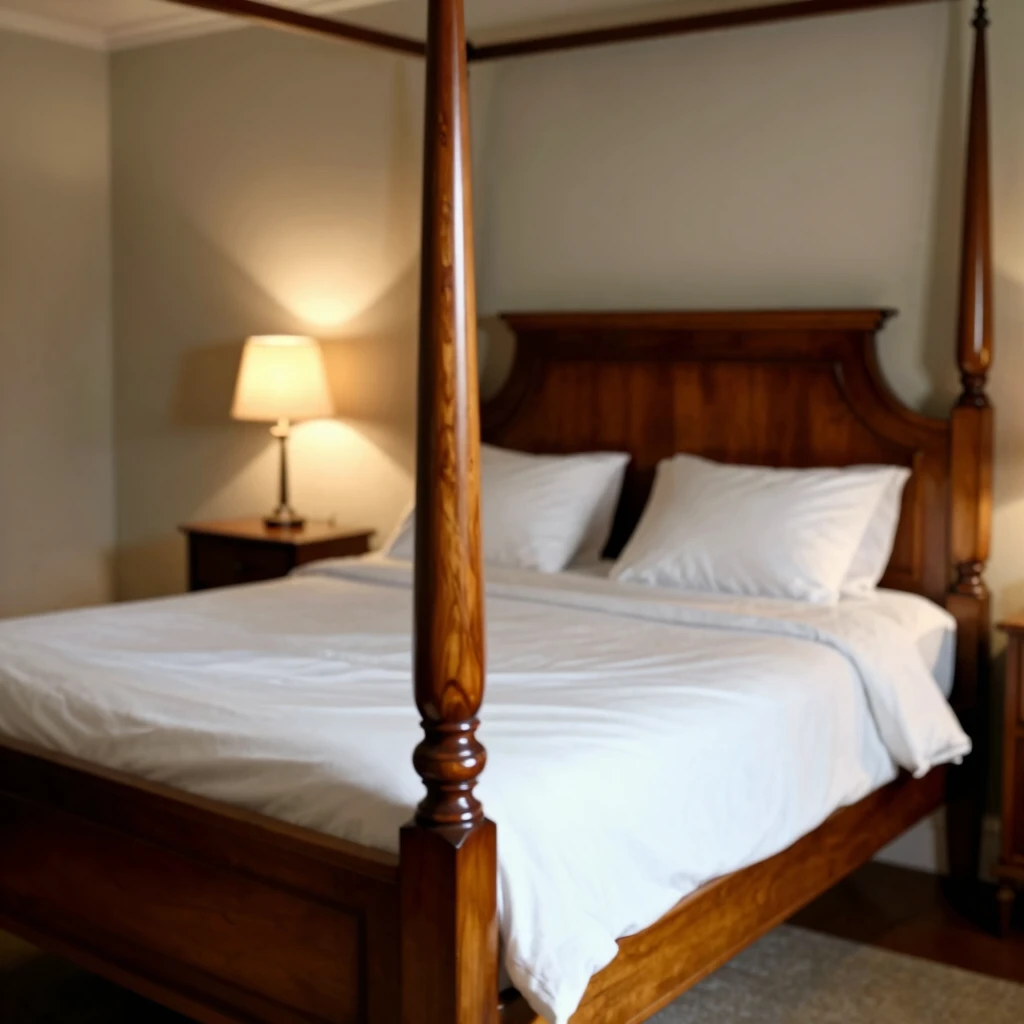
Beds see heavy use—tossing, turning, and morning rushes. Prioritize stability checks monthly. Tighten loose screws on your wooden bed frame to prevent creaks.
Mattress weight stresses slats, so reinforce with plywood if needed. In my guest room, I added felt pads under legs to protect floors and ease movement.
Wash linens frequently to avoid oil transfer from skin. For headboards, a quick vacuum with a brush attachment removes dust from carvings.
If your bed has drawers, lubricate tracks with wax for smooth gliding. This small step saves frustration.
Avoiding Common Mistakes: Lessons from Trial and Error
Heat is wood's enemy. Keep tables away from radiators—I've scorched a finish before, and repairs cost more than prevention.
Over-polishing clouds surfaces. Stick to less-is-more. And lifting? Always two people, gripping from the bottom. For details, learn proper handling techniques from the North Carolina Historic Sites, a trusted .gov resource on artifact preservation.
Pests lurk too. Termites love damp wood, so inspect for frass (tiny pellets) yearly. If spotted, call pros—DIY fixes spread the issue.
Another pitfall: Harsh cleaners. Ammonia strips finishes. Opt for gentle solutions. For detailed cleaning methods from Utah State University Extension, check this academic guide—it's gold for safe routines.
Repair Basics: When to DIY and When to Call Help
Small scratches? Rub with a walnut nut—the oils blend marks naturally. For deeper gouges, use wood filler matched to your piece, then sand lightly.
Dents pop out with a damp cloth and iron trick: Steam softens the wood, heat reshapes it. But for structural issues like loose joints, seek a pro. Glue fails over time, and wrong fixes weaken more.
In my workshop attempts, I glued a chair leg once— it held, but wobbled. Pros use clamps and hide glue for lasting bonds.
For long-term preservation, follow guidelines from the National Park Service on wooden objects. Their expert advice on humidity control and handling has saved many heirlooms.
Building Habits for Lasting Beauty
Caring for wooden furniture becomes second nature with practice. Track changes in a journal—what works, what doesn't. Share tips with family; everyone benefits.
Your pieces tell stories. A dining table etched with kids' initials? That's irreplaceable. These care tips for wooden furniture: protecting your investment ensure those tales endure.
In wrapping up, commit to one change today: Dust properly or check humidity. Small actions yield big rewards. Your home—and wallet—will thank you.
(Word count: 1523)