









Featured Post
Essential Futon Care and Maintenance Tips for Long-Lasting Furniture
Keeping your futon in top shape is easier than you think. These futon care and maintenance tips will help you protect your furniture from wear and tear. You'll enjoy its comfort for many years with just a few simple habits.
Understanding Your Futon
Futons serve as both sofas and beds, making them popular in small spaces. They come in two main types: traditional Japanese shikibutons and Western-style futons with frames. No matter the type, proper care keeps them fluffy and supportive.
In my experience, a well-maintained futon can last over a decade. I once had a futon that stayed like new because I followed basic routines. Let's dive into the details.
Daily Maintenance Habits
Start with small daily actions to prevent big problems later. Lift and air your futon every morning. This lets moisture escape, which builds up from body heat overnight.
Fold the mattress if it's a traditional style, or flip it on a frame. Do this to even out wear. I find that rotating the futon every week keeps it from sagging in one spot.
Keep it off the floor if possible. Use a frame or tatami mat to improve airflow. This stops mold from forming in humid areas.
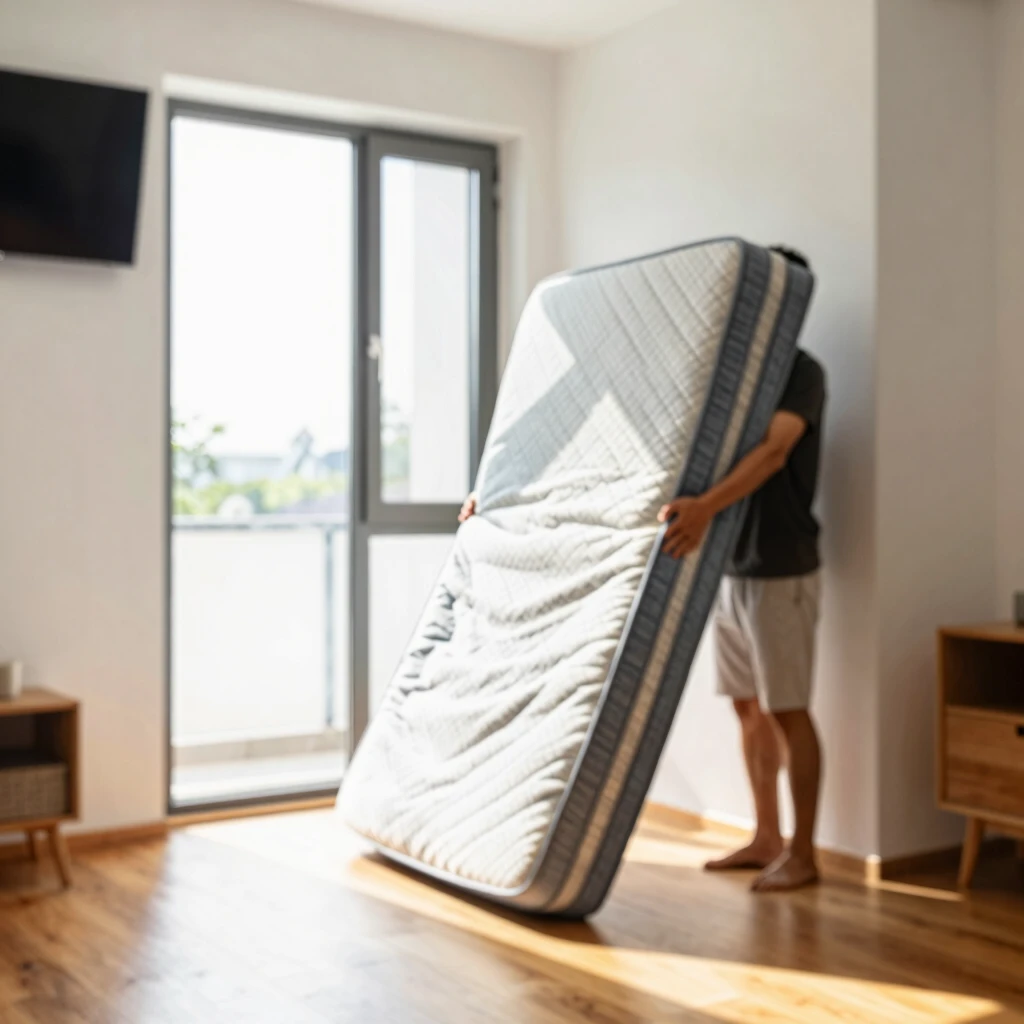
Vacuum the surface weekly. Use a soft brush attachment to remove dust and crumbs. This keeps allergens low and maintains the fabric's look.
Avoid eating or drinking on the futon. Spills lead to stains that are hard to remove. If you have pets, train them to stay off or use a throw blanket for protection.
Cleaning Your Futon Properly
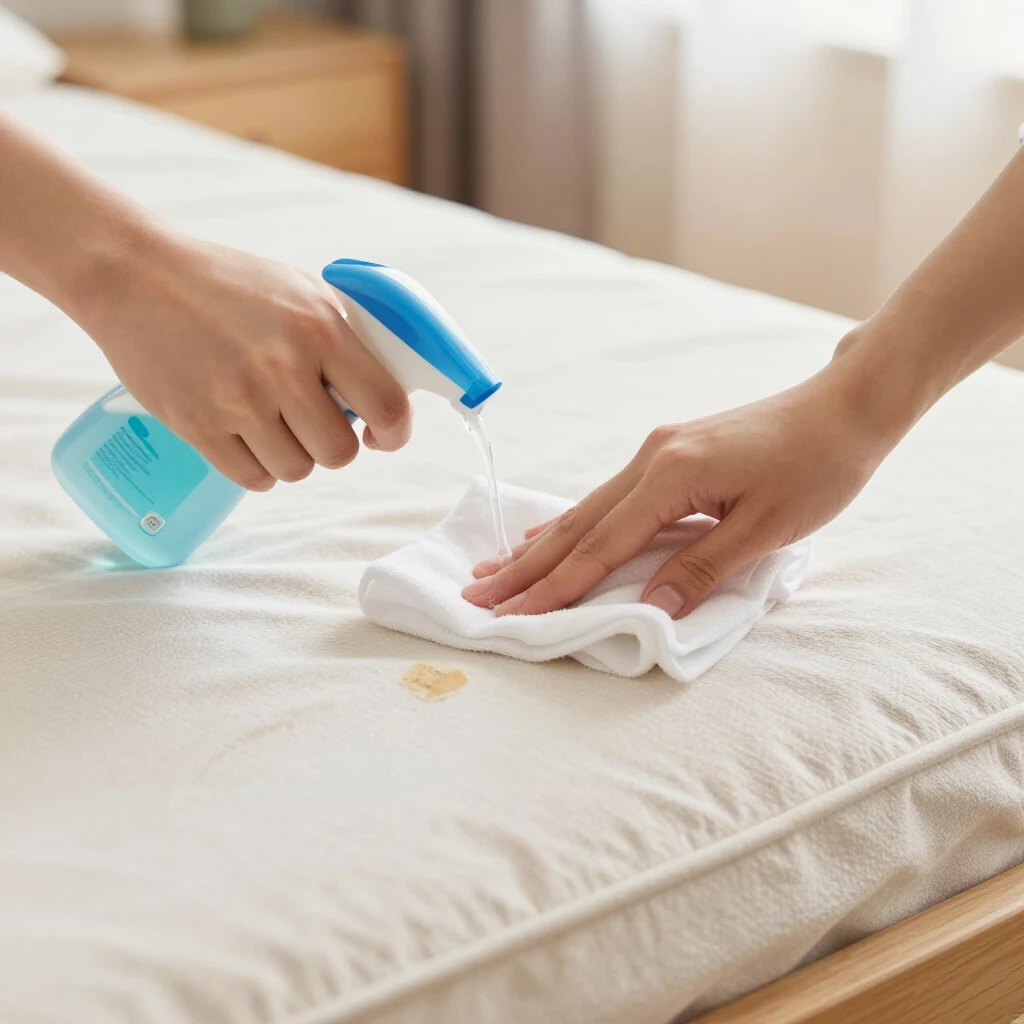
Cleaning ranks high in futon care and maintenance tips. Spot clean stains right away. Blot with a damp cloth and mild soap. Don't rub, as it spreads the mess.
For deeper cleans, sprinkle baking soda over the mattress. Let it sit for hours to absorb odors, then vacuum it up. This natural method works wonders without chemicals.
Some futons can handle washing. Check the label first. If okay, use warm water and gentle detergent in a large tub. Rinse well and air dry completely. I tried this once with a cotton futon, and it came out fresh, but it took a full day to dry.
Dry cleaning suits wool or foam futons. Take it to professionals every few years. For home care, steam cleaning kills germs without soaking the material.
Protect the cover. Use removable, washable covers. They shield the inner mattress from dirt. Wash them monthly in cold water to keep colors bright.
Stain Removal Guide
Here's a quick table for common stains:
| Stain Type | Solution |
|---|---|
| Food | Blot with vinegar water mix |
| Ink | Use rubbing alcohol on a cotton ball |
| Pet urine | Enzyme cleaner to break down odors |
| Coffee | Mild soap and cold water |
Always test in a hidden spot first.
Sunning and Airing for Freshness
Sun your futon regularly. Place it outside for a few hours twice a year. UV rays kill dust mites and refresh the filling.
But don't leave it in direct sun too long. Prolonged exposure fades colors. Choose a shady spot or cover with a sheet.
In rainy climates, use a dehumidifier indoors. This mimics sunning effects. From my time living in a damp area, this saved my futon from musty smells.
Rotating and Flipping Schedules
Rotate your futon every month. Turn it 180 degrees to distribute weight evenly. Flip it side to side if it's double-sided.
For heavy use, do this more often. Families with kids might need weekly flips. This prevents lumps and extends life.
Track it with a calendar reminder. It's a small effort for big rewards in comfort.
Storage Tips for Off-Season
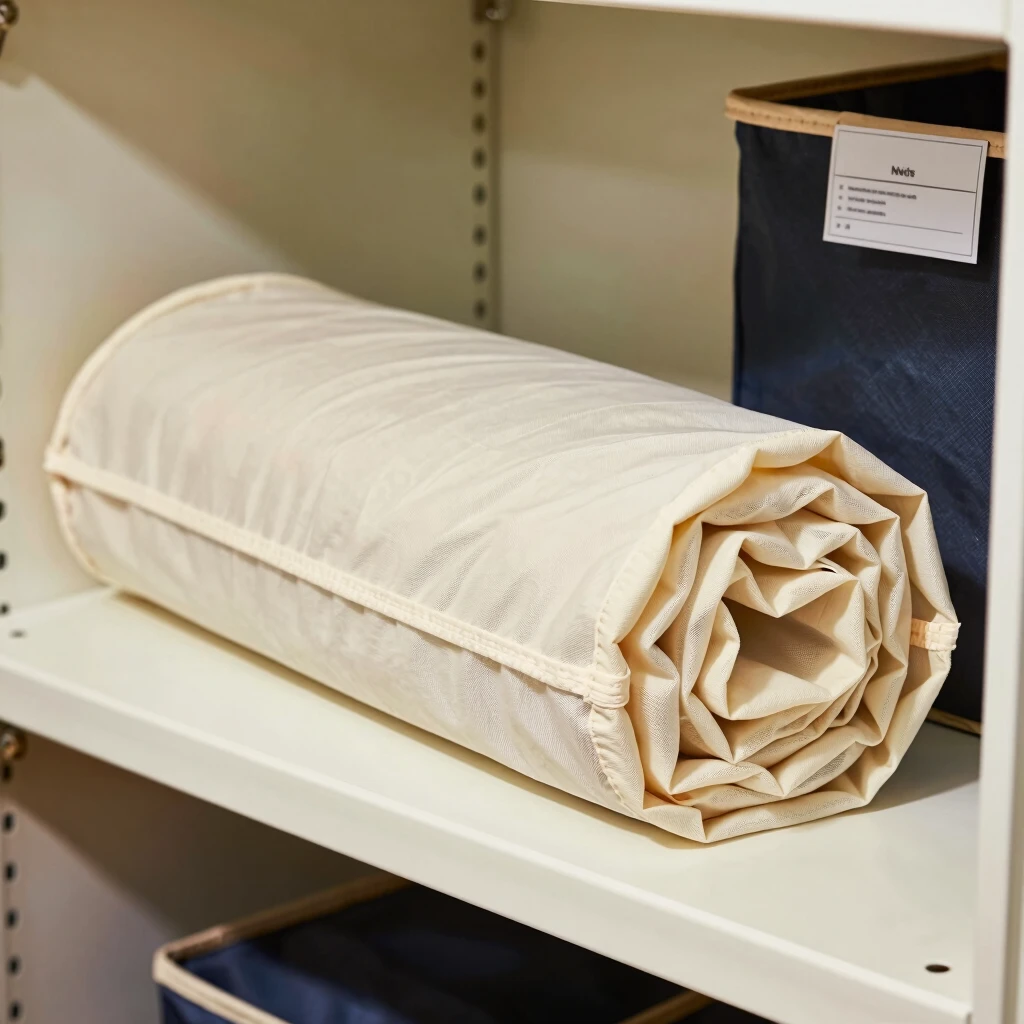
Store your futon right to avoid damage. Clean it first, then roll or fold loosely. Tight folds crease the material.
Use a breathable bag, not plastic. Plastic traps moisture and causes mildew. Store in a cool, dry place away from pests.
If stacking, put it on top to avoid compression. I stored mine this way during a move, and it unfolded perfectly.
Common Mistakes to Avoid
Don't ignore small tears. Fix them early with patches or sewing. This stops filling from escaping.
Avoid overloading the frame. Too much weight bends it over time. Check weight limits when buying.
Skip harsh chemicals. They break down fibers. Stick to natural cleaners for safety.
One mistake I made early on was not using a cover. Dirt built up fast, teaching me the value of protection.
When to Replace Your Futon
Watch for signs like persistent lumps or thin spots. If it no longer supports well, it's time for a new one.
Most last 5-10 years with good care. Budget models wear faster. Invest in quality for longer use.
Recycle old ones responsibly. Some stores take them back or donate to shelters.
Expert Tips from Sources
According to FutonLand, deodorizing with baking soda is key for odor control [link to https://futonland.com/blog/a-complete-guide-to-properly-caring-for-your-futon-mattress/]. J-Life International recommends sunning twice yearly for moisture control [link to https://jlifeinternational.com/blogs/news/caring-for-your-shikifuton]. These tips align with my own practices.
In summary, futon care and maintenance tips boil down to daily airing, regular cleaning, and smart storage. Follow these, and your furniture will stay comfortable and inviting. Your futon thanks you!