







Featured Post
Recliner Furniture Maintenance Tips for Longevity
Quick Overview
Your recliner is more than just a seat—it's your daily escape. With the right care, it can last a decade or more. This article dives into Recliner Furniture Maintenance Tips for Longevity, blending cleaning basics, arrangement hacks, and common pitfalls to avoid. Expect actionable steps that save time and money while boosting your home's comfort.
I've owned my leather recliner for eight years now, and it still feels brand new. The secret? Consistent, simple habits. Let's start with the fundamentals in Furniture Maintenance 101. Think of your recliner like a trusted friend—it thrives on regular attention, not constant fussing.
Furniture Maintenance 101: The Basics Every Homeowner Needs
Maintaining furniture isn't rocket science. It boils down to prevention and gentle care. Dust and spills are the silent killers of upholstery, leading to cracks and fading over time. Start by vacuuming weekly. Use the upholstery attachment to suck up crumbs and pet hair from crevices. I learned this the hard way after a popcorn movie night left mine gritty for months.
For fabric recliners, spot-clean stains right away. Dab with a mild soap solution—never rub, as it pushes dirt deeper. Leather? Condition it every three months with a pH-balanced product. According to a comprehensive guide from CUNY's accessibility experts, this routine cuts wear by up to 50%. Pro tip: Test cleaners on a hidden spot first.
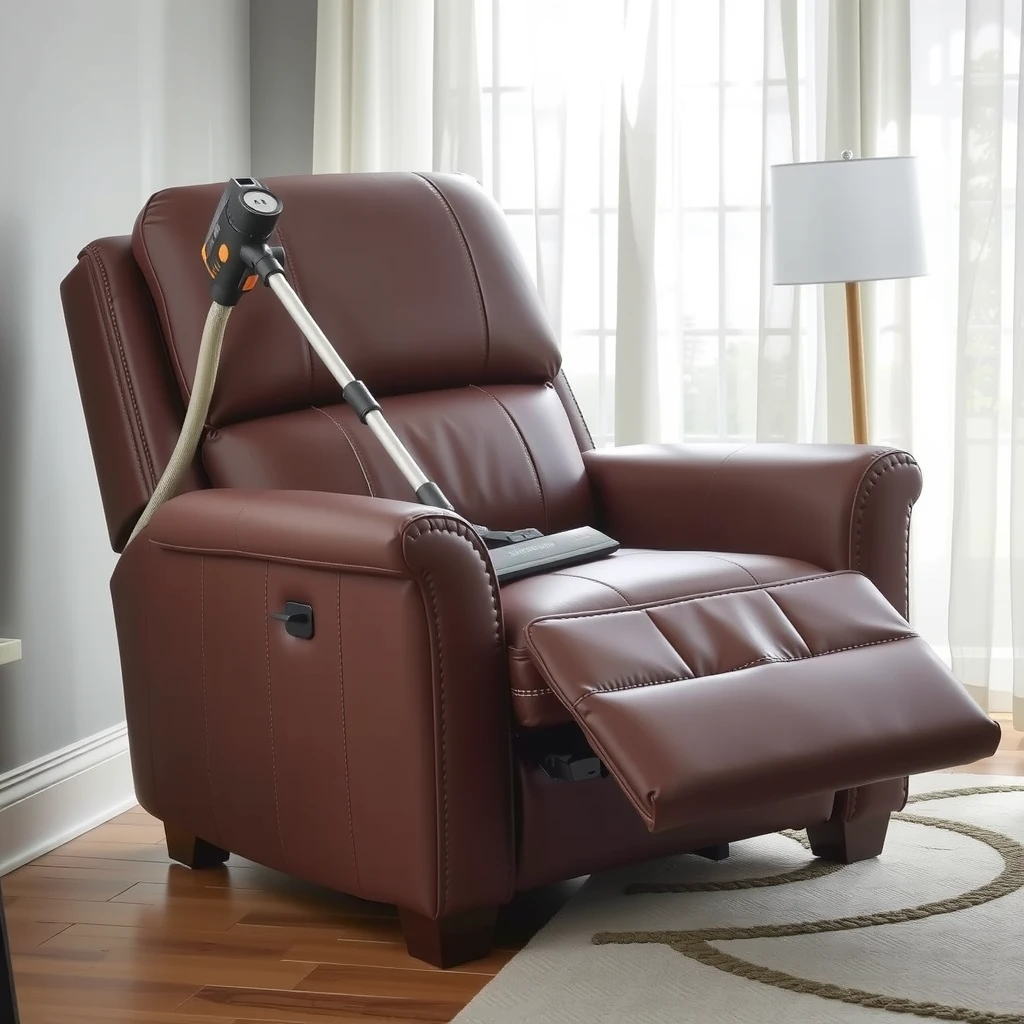
Don't forget the mechanics. Recliners have moving parts that need love too. Lubricate hinges annually with a silicone spray—avoid oil, which attracts dust. If your model has a power lift, unplug it during storms to prevent electrical damage. The U.S. Consumer Product Safety Commission warns that faulty wiring in power recliners can pose fire risks—a stark reminder to inspect cords monthly.
Humidity plays a sneaky role in longevity. Keep your room between 40-60% humidity to prevent wood warping or fabric mildew. A cheap hygrometer helps track this. In my humid Midwest home, a dehumidifier turned out to be a game-changer for my recliner's frame.
Top 10 Tips for Arranging Your Living Room to Boost Recliner Life
Arrangement isn't just about looks—it's about function. Poor placement speeds up wear, like blocking airflow or exposing to sunlight. Here's my curated list of Top 10 Tips for Arranging Your Living Room, tailored for recliner owners. These keep your piece protected while enhancing coziness.
-
Position Away from Direct Sun: UV rays fade upholstery fast. Angle your recliner toward north-facing windows or use sheer curtains. This simple shift extended my chair's color vibrancy by years.
-
Ensure Clear Pathways: Leave 18-24 inches around the base for easy reclining. Tripping hazards lead to forced pulls that strain mechanisms.
-
Balance Weight Distribution: Pair with side tables at arm height to reduce leaning. Uneven use wears one side prematurely.
| Tip | Why It Helps Longevity | Quick Fix |
|---|---|---|
| 4. Elevate Off Carpet | Prevents snags and pilling | Use furniture risers |
| 5. Group Conversationally | Encourages even sitting | Create a U-shape setup |
| 6. Add Protective Mats | Shields floors and legs | Choose non-slip rubber |
| 7. Maintain 3-Foot Clearances | Improves airflow, reduces dust | Rearrange traffic flow |
| 8. Rotate Usage | Distributes wear evenly | Swap seats weekly |
-
Incorporate Rugs Wisely: Extend rugs under front legs only to avoid bunching. Full coverage traps moisture.
-
Layer Lighting Softly: Avoid harsh overheads that highlight scuffs. Dimmers create ambiance without spotlighting flaws.

These tips draw from Georgia Tech's home design guidelines for safe, independent living, which emphasize flexible spaces that minimize strain on furniture.
Furniture Arrangement Mistakes to Avoid: Lessons from My Own Blunders
I've made them all. Once, I shoved my recliner against a sunny wall—hello, bleached arms! Common Furniture Arrangement Mistakes to Avoid include overcrowding, which blocks ventilation and invites spills. Another: Ignoring scale. A massive recliner in a tiny room feels great at first but invites bumps and scratches.
Steer clear of high-traffic zones. Hallway-adjacent spots see constant brushing, fraying edges faster. And please, no direct heat sources—fireplaces dry out leather like nobody's business. NC State's study on senior-friendly furniture design highlights how poor ergonomics accelerate breakdowns, a lesson for all ages.
Overloading with decor is sneaky too. Heavy throws or pillows compress cushions unevenly. Rotate them out monthly. My fix? A simple storage ottoman that doubles as extra seating—functional and forgiving.
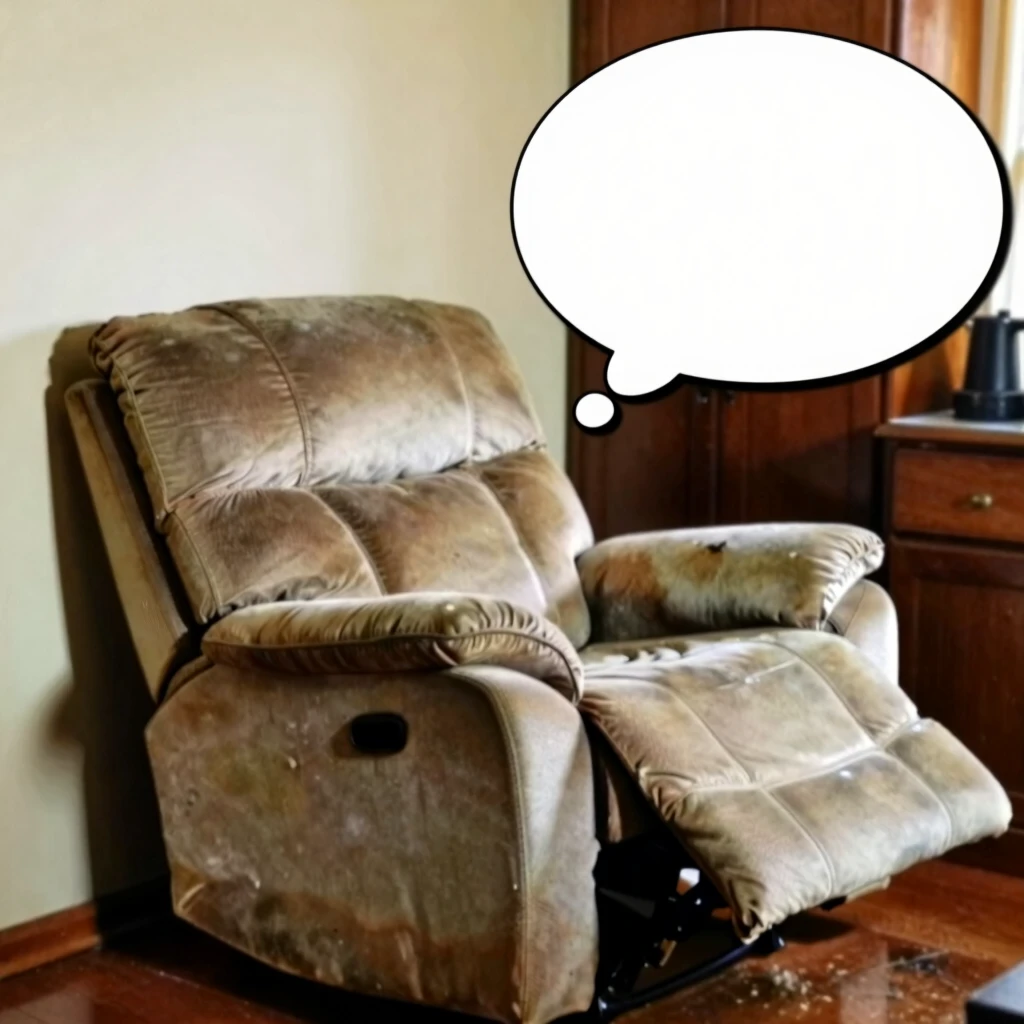
Creating a Cozy Living Room: Furniture Arrangement Tips That Last
Now, let's tie it together. Creating a Cozy Living Room: Furniture Arrangement Tips start with your recliner as the star. Anchor it with a focal rug, then build layers—soft throws for winter, light linens for summer. This seasonal swap keeps fabrics fresh without heavy cleaning.
Personal touch: Add personal artifacts nearby, like framed photos on adjacent shelves. It draws eyes away from minor wear. For families, child-proof by rounding corners with bumpers. My kids' playdates used to spell disaster—now, a gated play area keeps the peace.
Ventilation is key for coziness and care. Open windows weekly for air circulation, warding off musty smells. Pair with hypoallergenic covers if allergies lurk. The result? A space that feels lived-in but not worn-out.
Beyond basics, invest in quality. When shopping, check warranties—aim for 5+ years on mechanisms. And remember, less is more. A decluttered room highlights your recliner's lines, making maintenance feel rewarding.
Wrapping It Up: Your Path to Lasting Comfort
Recliner Furniture Maintenance Tips for Longevity boil down to consistency and smarts. Vacuum often, arrange thoughtfully, and avoid those tempting shortcuts. Your chair will thank you with years of reliable relaxation. Start with one tip today—your back (and budget) will appreciate it.