









Featured Post
The History of Antique Furniture Styles: Timeless Designs and Modern Care
A Quick Overview of Antique Furniture's Journey
Antique furniture tells stories of eras past, blending craftsmanship with cultural shifts. From sturdy Egyptian thrones to elegant Victorian beds, these pieces endure. In this guide to The History of Antique Furniture Styles, we'll trace their evolution, share restoration secrets, and offer practical care advice. Whether you're a collector or a homeowner, unlock the charm of history in your space. (38 words)
Roots in Ancient Worlds: The Dawn of Furniture Design
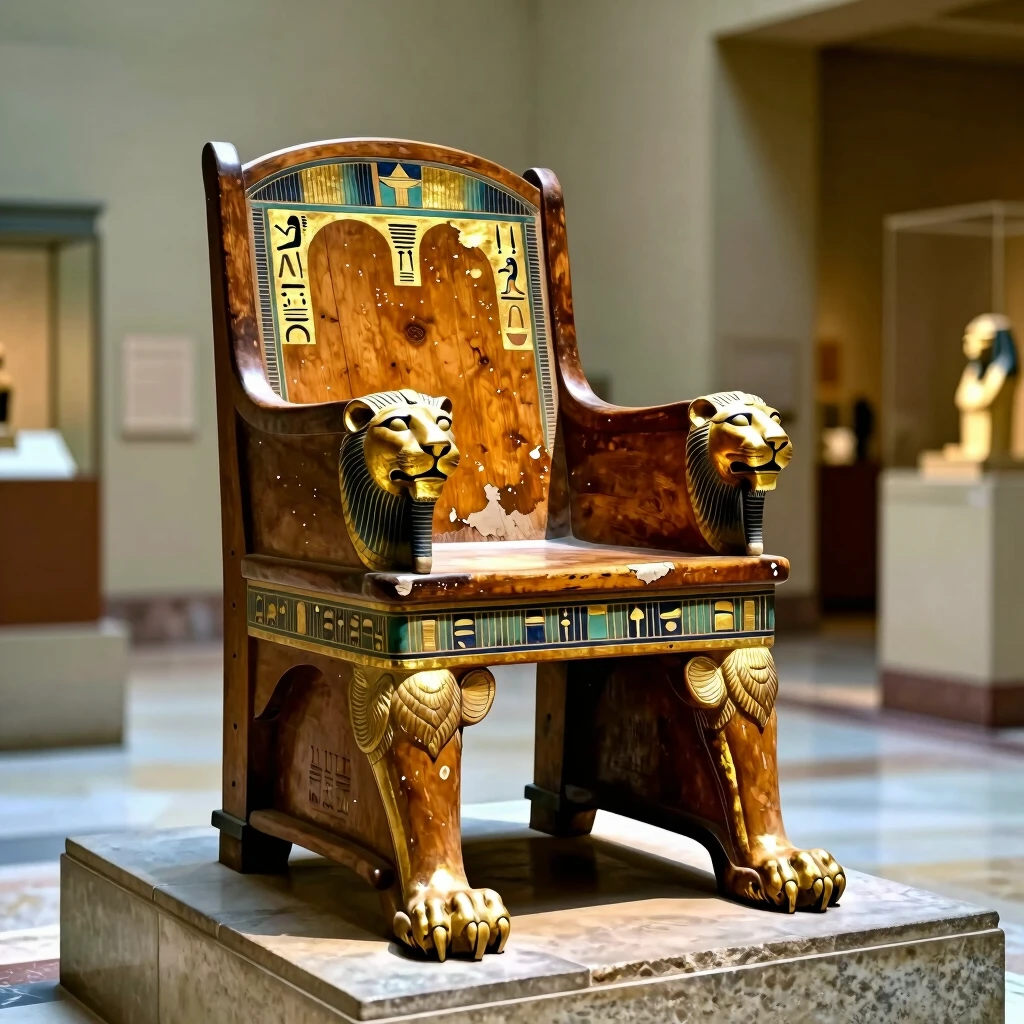
Imagine sitting on a chair carved from a single piece of wood, shaped by hands that revered symmetry and symbolism. That's the world of ancient furniture. In Egypt around 3000 BCE, artisans crafted stools and beds from sycamore and acacia. These weren't just seats; they were status symbols, often inlaid with ivory or gold.
I once held a replica of such a stool at a museum exhibit. The weight of it grounded me—the smooth curves spoke of patience. Early Greeks and Romans advanced this, introducing X-framed chairs and klismos designs with curved backs for comfort. Furniture mirrored society: functional for the masses, ornate for elites.
For a deeper dive into these foundational styles, check out this university guide to decorative arts histories, which surveys European and American influences from the 17th century onward but nods to ancient precedents.
Medieval Europe shifted focus. Castles demanded robust pieces like oak chests bound with iron. Think heavy trestle tables for feasts—practical against the chill of stone halls. Gothic influences brought pointed arches into carving, adding a touch of grace to the grit.
As someone who's wandered medieval reenactments, I appreciate how these designs prioritized durability. A simple bench could seat a family for generations, much like the heirlooms we cherish today.
Renaissance Revival: Elegance Takes Shape
The Renaissance, kicking off in 14th-century Italy, breathed life into furniture. Humanism sparked curves and classical motifs—think cabriole legs inspired by Roman scrolls. Walnut and mahogany became stars, polished to a sheen that caught candlelight.
In my own collection, a small Renaissance-style cassone (a wedding chest) sits proudly. Its painted panels depict myths, reminding me how furniture doubled as storytelling canvases. This era's legacy? Balance between form and function, influencing everything from dining sets to bedroom suites.
By the 17th century, Baroque exploded with drama. Louis XIV's Versailles demanded grandeur: bombé chests swelling like waves, gilded accents screaming opulence. England countered with sturdy William and Mary styles—high backs, trumpet-turned legs—for emerging middle-class homes.
These pieces weren't shy. They filled rooms, demanding attention. If you're eyeing a Baroque table, feel its heft; it's built to impress.
Rococo Whimsy to Neoclassical Restraint
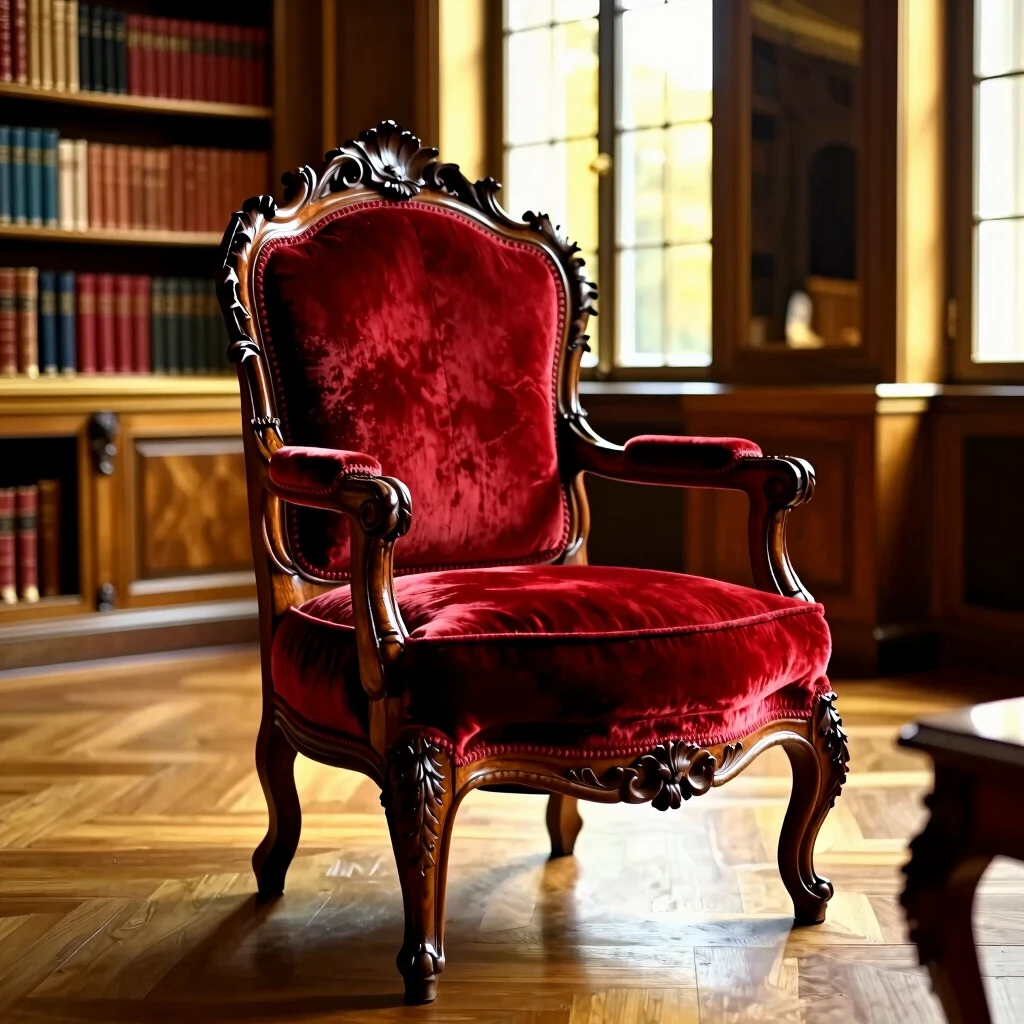
Rococo, mid-1700s France, flipped the script to playful asymmetry. Shell motifs and pastel shells adorned commodes—furniture as flirtation. Then came Neoclassical, a sober nod to antiquity. Straight lines, urn carvings, and mahogany reigned, especially in America's Federal period.
New York craftsmen shone here. Their designs, influenced by Adam brothers' architecture, featured delicate inlays. For specifics on this American chapter, explore this state education resource on Federal-era New York furniture, highlighting origins in British designs.
Personally, a Neoclassical sideboard in my dining room calms chaotic meals. Its clean lines ground the space, proving less can be more.
| Key Neoclassical Features | Description |
|---|---|
| Materials | Mahogany, satinwood |
| Motifs | Urns, swags, eagles |
| Forms | Straight legs, tapered columns |
| Influence | Greek/Roman revival |
Victorian Grandeur: The Peak of Ornament
Enter the 19th century: Victoria's reign birthed eclecticism. Gothic Revival brought pointed arches to chairs; Rococo Revival swirled with flowers. But Eastlake? It championed machine-made honesty—geometric, flat planes in oak.
Beds were stars here. A Victorian four-poster bed, draped in velvet, turned sleep into theater. Carved newel posts twisted like vines, headboards ballooned with tufting. I restored one such bed years ago—its squeaks told tales of dances past. These pieces reflect industrial boom: accessible luxury for rising classes.

Later revivals—Arts and Crafts, Art Nouveau—pushed back. William Morris railed against machines, favoring hand-hewn oaks with simple lines. Art Nouveau's whiplash curves in cherry wood evoked nature's flow. Today, these inspire mid-century echoes, blending old soul with modern edge.
In my view, antique styles cycle because they solve timeless needs: comfort, beauty, legacy.
How to Restore Antique Wooden Furniture: A Hands-On Guide
Restoring breathes new life into weary wood. Start gentle—dust with a soft cloth, no harsh chemicals. Assess damage: cracks? Splits? Veneer lifts?
I've spent weekends in my garage, stripping finishes with citrus strippers. Sand lightly (220-grit), following grain to avoid gouges. Fill gaps with sawdust-epoxy mix; it mimics original texture. For finishes, tung oil revives depth without altering patina.
Pro tip: Test on hidden spots. And for expert backing, consult The Henry Ford's conservation manual on wooden objects, which details minimizing damage through proper techniques.
Steps in a nutshell: 1. Clean surfaces thoroughly. 2. Repair structural issues. 3. Sand and refinish judiciously. 4. Buff to luster—patience pays.
Common pitfalls? Over-sanding erases history. Or mismatched stains that scream 'fake.' Take your time; each piece deserves it. My latest project? A Georgian desk now gleams, stories intact.
Care Tips for Wooden Furniture: Protecting Your Investment
Your antiques aren't set-it-and-forget-it. Wood breathes—expands with humidity, contracts in dry air. Aim for 40-60% relative humidity; a hygrometer helps.
Dust weekly with microfiber, no polish—silicone builds up, trapping grime. For deeper cleans, mild soap-water mix, then dry immediately. Sunlight fades; use UV curtains.
From experience, neglecting this warps legs on tables. Rotate pieces seasonally for even wear. State archives agree: North Carolina Historic Sites offers proven strategies for furniture upkeep, emphasizing dry dusting and light control to prevent abrasion.
Invest in felt pads under legs—scratches on floors (and itself) avoided. For beds, tighten slats yearly; loose ones creak like ghosts.
Furniture Care for Different Materials: Beyond Just Wood
While wood dominates antiques, accents vary. Upholstered seats? Vacuum gently, spot-clean with foam. Leather? Condition quarterly with beeswax—no water, it cracks.
Marquetry inlays demand delicacy—avoid excess moisture. Gilt? Soft brush only. Tailor care to materials; a one-size-fits-all harms more than helps.
In my mixed collection, a brass-handled chest thrives with weekly polishing. Match methods to mediums for longevity.
| Material | Quick Care Tip |
|---|---|
| Wood | Dust dry, control humidity |
| Leather | Condition, avoid direct sun |
| Upholstery | Vacuum, spot-test cleaners |
| Metal Accents | Gentle polish, dry thoroughly |
Wrapping Up: Cherish the Past, Sustain the Future
From Egyptian thrones to Victorian beds, The History of Antique Furniture Styles weaves human ingenuity. Restore with respect via How to Restore Antique Wooden Furniture basics, and safeguard with Care Tips for Wooden Furniture: Protecting Your Investment. Your pieces aren't relics—they're living links.
Blend them into modern homes for warmth amid minimalism. Share your stories; antiques unite us. (42 words)