








Featured Post
How to Maintain and Clean Your Futon: Essential Tips for Long-Lasting Comfort
Futons are a smart choice for many homes. They serve as both a sofa and a bed, saving space and adding flexibility. But to keep your futon looking great and feeling comfy, you need regular maintenance and cleaning. This guide shows you how.

Why Regular Maintenance Matters
A futon is versatile furniture that often gets heavy use. You sit on it during the day and sleep on it at night. Without proper care, it can collect dust, stains, and odors quickly. Regular upkeep prevents wear and keeps it hygienic.
I've owned a few futons over the years, and I learned the hard way that skipping cleaning leads to sagging and smells. Now, I follow a simple routine, and my current one still feels like new after years.
Daily and Weekly Care Tips
Start with small habits that make a big difference:
- Rotate and flip the mattress: Every week, turn it over and rotate it. This evens out wear from body weight.
- Air it out: On sunny days, open windows or take it outside for fresh air. This reduces moisture and odors.
- Use a protector: A waterproof cover shields against spills and dust mites.
Converting futons into beds nightly? Make sure the frame moves smoothly. Wipe the frame with a damp cloth weekly to remove dust.
How to Vacuum Your Futon Properly
Dust and crumbs hide deep in the fibers. Vacuuming is key.
- Remove cushions and covers if possible.
- Use the upholstery attachment on your vacuum.
- Go over both sides slowly.
- Pay extra attention to seams and folds.

Deodorizing with Baking Soda
Futons can trap smells from sweat or pets. Baking soda works wonders.
- Sprinkle a generous layer on the mattress.
- Let it sit for at least 30 minutes (or overnight for best results).
- Vacuum it all up thoroughly.
Do this monthly or when you notice odors.
Spot Cleaning Stains Quickly
Spills happen. Act fast to avoid permanent marks.
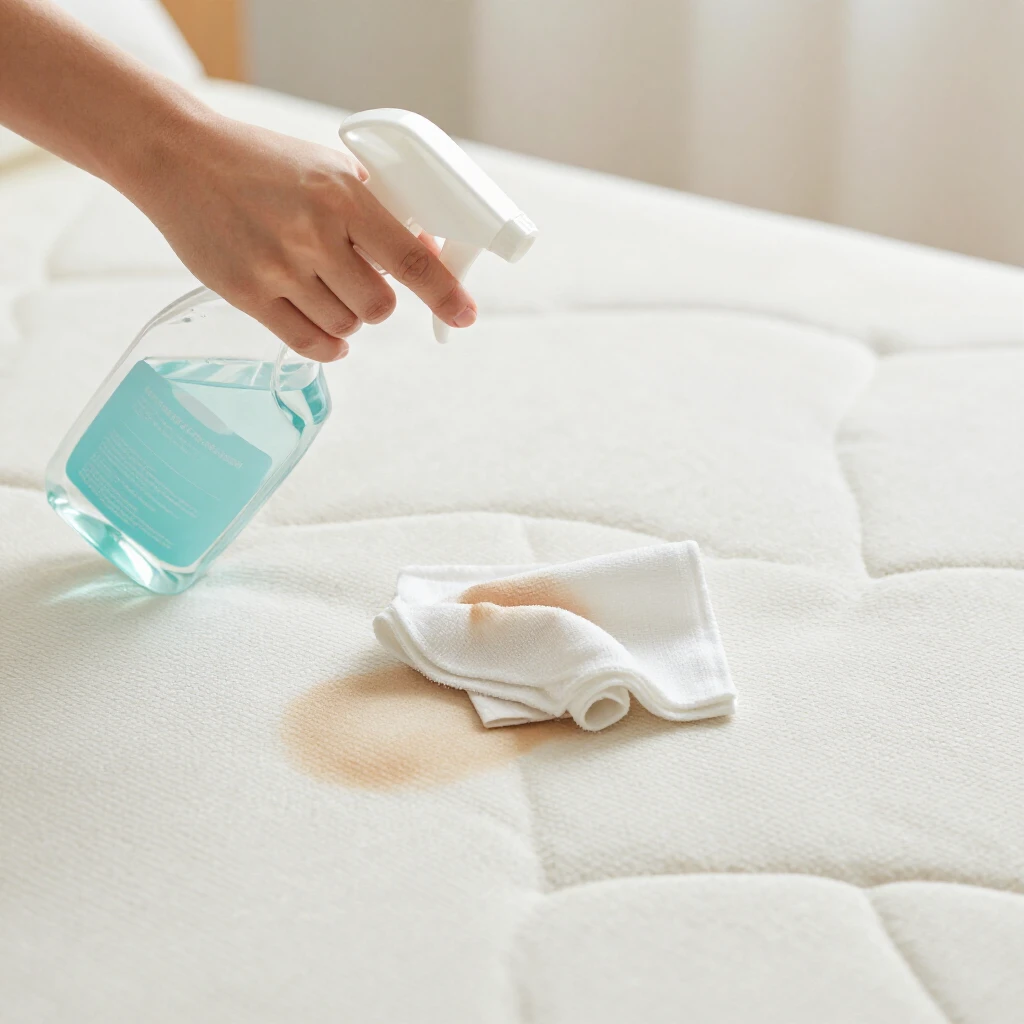
Materials you'll need: - Mild detergent or upholstery cleaner - Clean white cloths - Spray bottle with cool water - Baking soda for odors
Step-by-step spot cleaning: 1. Blot the spill with a dry cloth—never rub. 2. Mix a few drops of detergent in cool water. 3. Dampen a cloth and gently dab the stain. 4. Rinse with a water-dampened cloth. 5. Blot dry and air out.
For tough stains like ink or wine, check the manufacturer's tag first. Some futons need professional cleaning.
Deep Cleaning Your Futon
Every 6-12 months, give it a thorough clean.
- Remove all covers and wash according to instructions (many are machine-washable).
- Steam clean if your futon allows it—steam kills bacteria without soaking.
- Avoid over-wetting cotton or foam fillings, as they take forever to dry.
If your futon has a wooden or metal frame, polish wood parts and tighten screws to prevent squeaks.
Converting Futons into Beds: Best Practices
One of the best features of a futon is how easily it converts from sofa to bed. But rough handling shortens its life.
- Fold and unfold gently.
- Avoid jumping on it.
- Use sheets and a topper for extra comfort and protection when in bed mode.
Common Mistakes to Avoid
Here are pitfalls I've seen (and made myself):
- Ignoring the care tag: Always read it first.
- Using harsh chemicals: They can damage fibers.
- Storing in damp areas: Mold loves moisture.
- Overloading: Stick to weight limits.
How to Choose the Perfect Futon for Your Space
While maintaining your current futon is key, knowing what to look for in a new one helps too. Choose materials that are easy to clean, like removable covers or synthetic fills. Measure your room carefully—futons shine in small spaces.
Look for sturdy frames and high-density foam for longevity. A good futon combines style with function, making it a standout piece of furniture.
Final Thoughts
Taking time to maintain and clean your futon pays off. It stays fresh, supportive, and ready for daily use. Follow these steps, and you'll enjoy your futon for years to come.
With simple routines like vacuuming, rotating, and quick spot cleans, you keep this versatile furniture in top shape.