








Featured Post
How to Restore Old Furniture Like a Pro
Overview: Restoring old furniture can turn worn-out pieces into beautiful, functional treasures for your home. This guide walks you through the process, from fixing scratches to maintaining wooden dining furniture, helping you get professional results with simple steps.
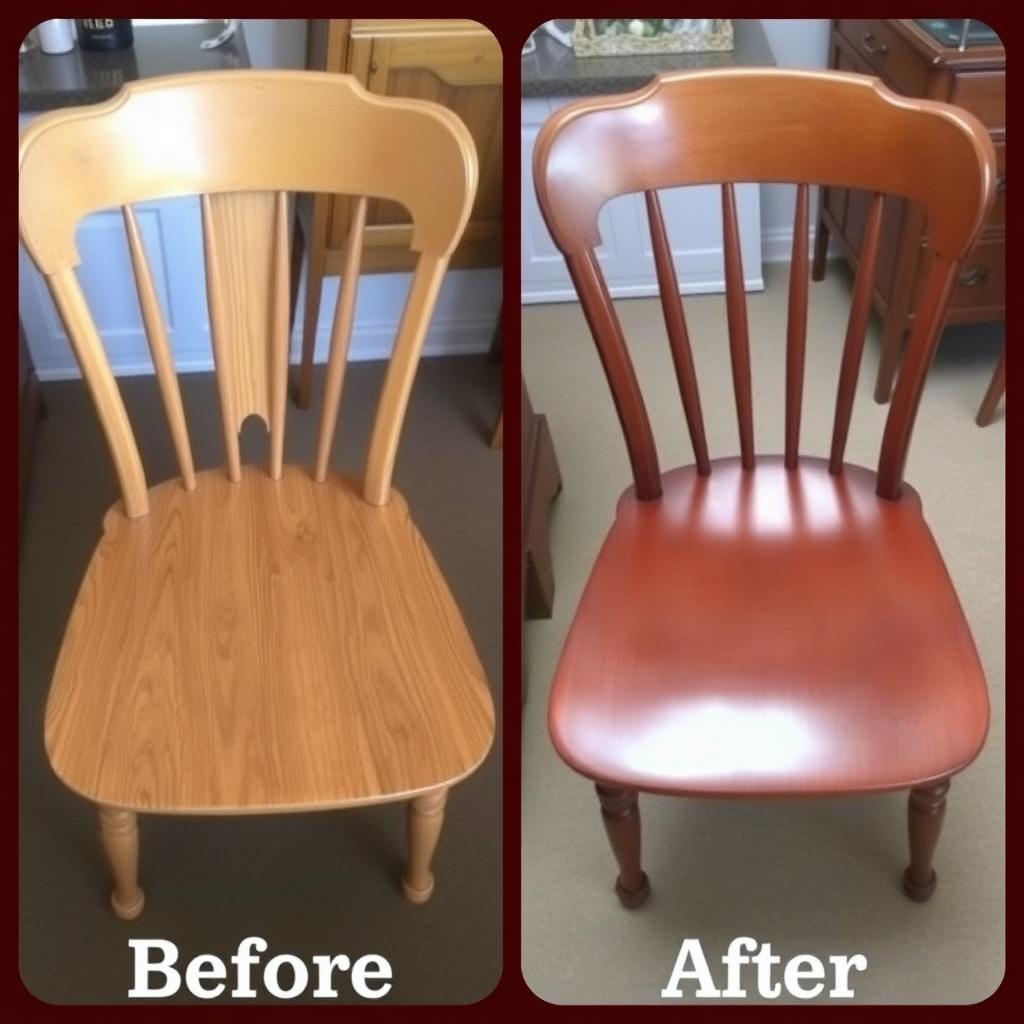
Understanding the Basics of Furniture Restoration
Before you pick up a tool, take a moment to figure out what you’re working with. Every piece of furniture is different, and knowing its details will make your restoration smoother.
- Check It Out First: Look for loose legs, broken parts, or wobbly joints. This tells you how much work you’re in for.
- Know Your Wood: Is it a sturdy hardwood like oak or a softer wood like pine? This affects how you’ll treat it.
- Spot the Finish: See if it’s coated with varnish, paint, or something else. That decides how you’ll clean or refinish it.
I once found an old dresser at a yard sale that looked rough—scratches everywhere and a dull finish. Turned out it was walnut, a gorgeous wood. Once I understood what I had, I knew exactly how to bring it back to life.
Common Furniture Scratches and How to Fix Them
Scratches are super common on old furniture, but don’t worry—most can be fixed with a little effort. Here’s how to handle common furniture scratches and how to fix them:
1. Surface Scratches
- What They Are: Light marks that don’t dig into the wood.
- Fixing Them: Grab a furniture touch-up marker or mix equal parts olive oil and vinegar. Rub it in with a soft cloth to blend the scratch away.
2. Deep Scratches
- What They Are: Marks that cut through the finish into the wood.
- Fixing Them: Lightly sand with fine-grit sandpaper (like 220-grit), then fill with wood filler that matches the color. Sand again once it dries, and add a finish that blends in.
3. Gouges
- What They Are: Big, deep dents or cuts.
- Fixing Them: Use wood putty to fill the hole, smooth it out with sandpaper, and finish it to match the rest.
Table: Scratch Repair Techniques
| Scratch Type | Tools You’ll Need | How to Fix It |
|---|---|---|
| Surface Scratches | Touch-up marker, olive oil, vinegar | Clean it, apply marker or oil mix, buff with a cloth. |
| Deep Scratches | Fine sandpaper, wood filler, finish | Sand it, fill it, sand again, add finish. |
| Gouges | Wood putty, sandpaper, finish | Fill the dent, sand it smooth, finish it up. |
I once worked on an oak table covered in deep scratches from years of family dinners. Sanding and filling those marks took time, but seeing it look new again was worth it.
Restoring the Finish
The finish is what makes furniture shine and keeps the wood safe. When it gets dull or damaged, here’s how to fix it:
1. Cleaning
- Why It Matters: Dirt hides the wood’s true state.
- How to Do It: Mix mild soap with water and wipe gently with a cloth. For tough spots, try a vinegar-water mix.
2. Stripping the Old Finish
- When to Do It: If it’s cracked or you want a new look.
- How to Do It: Use a chemical stripper (follow the label), scrape off the old stuff, and sand the wood smooth for a fresh start.
3. Applying a New Finish
- Picking One: For a natural vibe, try tung oil. For toughness, go with polyurethane.
- How to Apply: Brush or wipe on thin layers. Sand lightly between coats for a sleek result.
List: Types of Finishes - Oil-Based: Soaks in, showing off the wood’s beauty. - Polyurethane: Tough and protective. - Lacquer: Dries fast, looks shiny. - Shellac: Old-school and easy to fix.
My grandmother’s dining table got a tung oil finish from me. It took a few coats, but the warm glow it gave the wood was perfect.
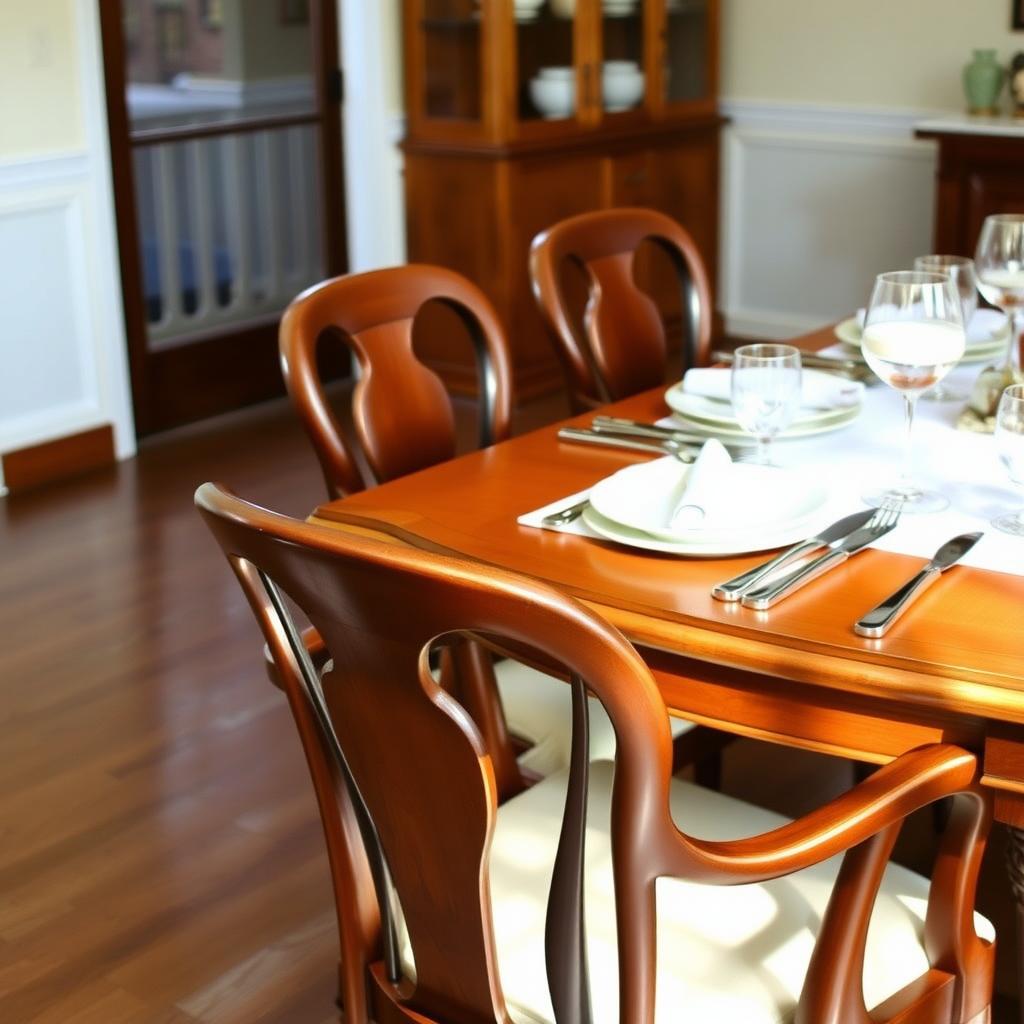
Top Tips for Maintaining Wooden Dining Furniture
After all that work, you’ll want to keep your furniture looking great. Here are my top tips for maintaining wooden dining furniture:
- Dust Often: Wipe it down with a soft, dry cloth weekly to stop dust from piling up.
- Keep It Shady: Sunlight fades wood, so use curtains or move it out of direct rays.
- Protect the Surface: Coasters stop water rings, and placemats shield from heat or scratches.
- Polish Lightly: Use furniture polish once or twice a year—too much gets sticky.
- Clean Spills Fast: Wipe them up with a damp cloth to avoid stains.
I’ve kept my dining table in top shape by dusting it regularly and using placemats. Small habits make a big difference.
Choosing the Right Furniture for Your Space
Restoration is great, but sometimes you’re picking new pieces too. For elegant dining furniture for formal rooms, think about these:
- Style Match: Pick designs that fit your room—formal spaces love classic, detailed looks.
- Size Check: Make sure it fits without crowding everything else.
- Go for Quality: Good pieces last longer and look better.
When I set up my dining room, I went for a dining set with a pedestal table and comfy chairs. It’s perfect for fancy dinners and everyday use.
Conclusion
Restoring old furniture is a fun, hands-on way to refresh your home. With this guide, you’ve got the steps to fix common furniture scratches, restore finishes, and follow top tips for maintaining wooden dining furniture. It takes time and care, but the payoff is huge. Whether you’re saving an old piece or picking elegant dining furniture for formal rooms, you’re ready to make it your own. Grab your tools and start today!
Recommended Readings:
- The Art of Woodworking: A Beginner’s Guide
- Furniture Restoration: Tips and Tricks from the Pros
- Choosing the Perfect Dining Set for Your Home
Internal Links:
- How to Choose the Right Finish for Your Furniture
- DIY Furniture Repair: A Step-by-Step Guide
- The History of Wooden Furniture