



Featured Post
Multifunctional Armoires with Hidden Compartments: The Ultimate Guide
Overview
Looking for a stylish way to boost storage without cluttering your home? Multifunctional armoires with hidden compartments blend beauty and utility. This guide dives into their perks, types, and how to pick the right one—perfect for any space.
Introduction
Have you ever wished for more storage space without sacrificing style or room? I know I have. After moving into a smaller apartment, I needed furniture that worked harder. That’s when I discovered multifunctional armoires with hidden compartments. These clever pieces not only store your stuff but also hide valuables or messes in secret spots. They’re a game-changer for anyone wanting a tidy, elegant home. Let’s explore why they’re so special and how they can fit into your life.
Benefits of Multifunctional Armoires
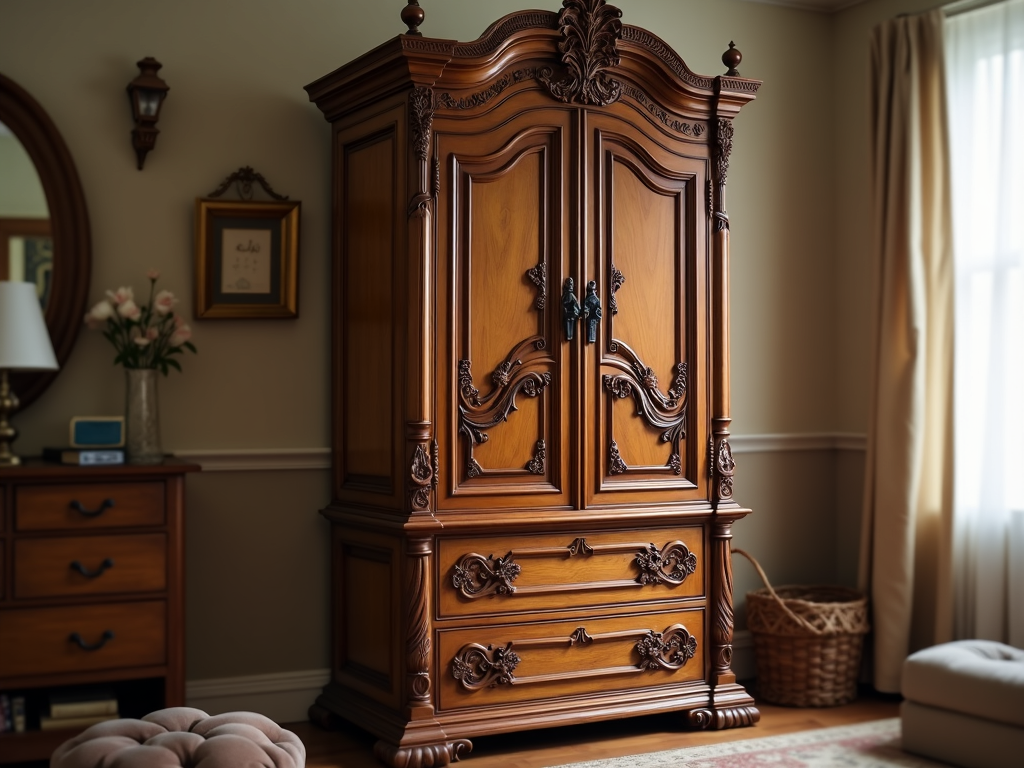
Multifunctional armoires are more than just storage—they’re a smart solution. Here’s why I love them:
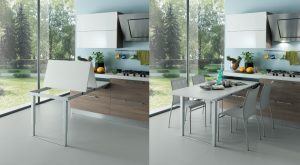
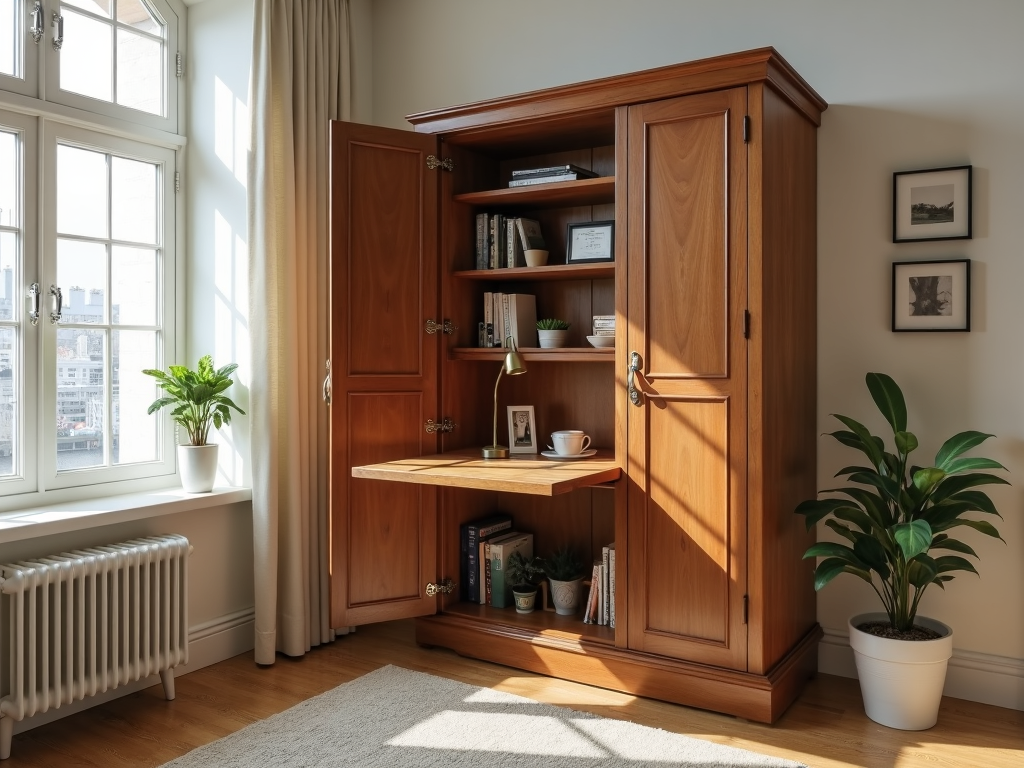
- Space-Saving: Living in a tight space taught me to value every inch. An armoire can replace multiple pieces—like a dresser and a desk—freeing up floor space. I once used one with a fold-out table, turning a corner into a mini office.
- Style Boost: These armoires come in all looks, from rustic wood to sleek metal. My wooden one became the star of my living room, adding warmth without effort.
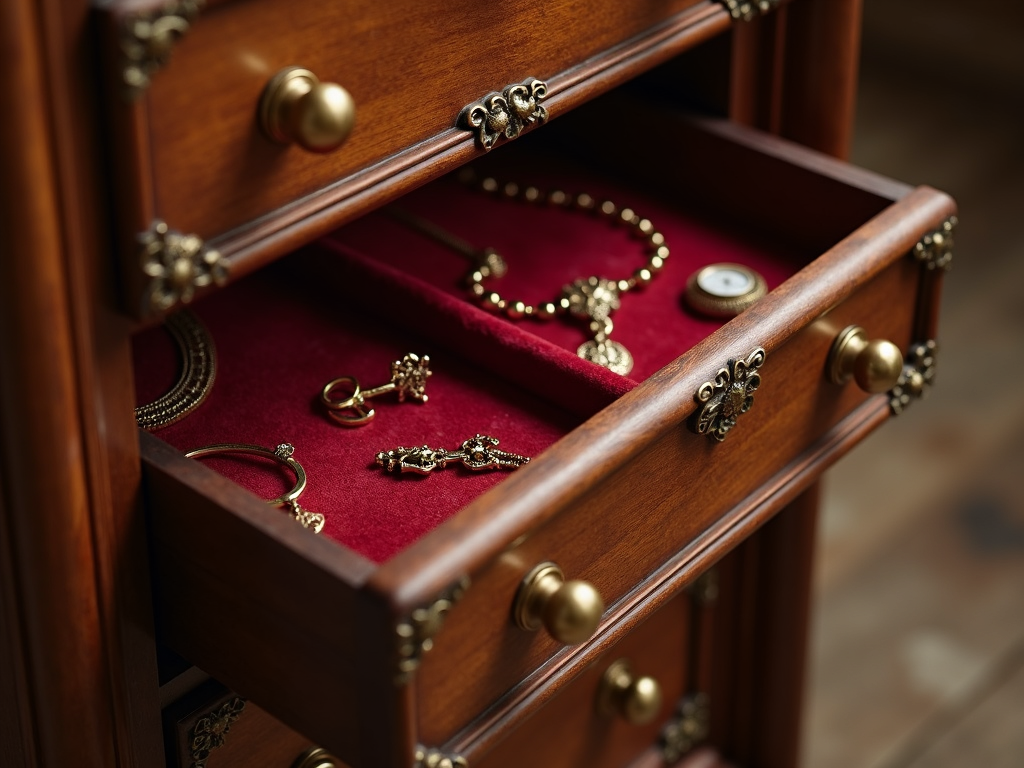
- Hidden Storage: The secret compartments are my favorite. I stash jewelry and papers in a drawer no one can find unless I show them. It’s peace of mind and organization in one.
Types of Hidden Compartments
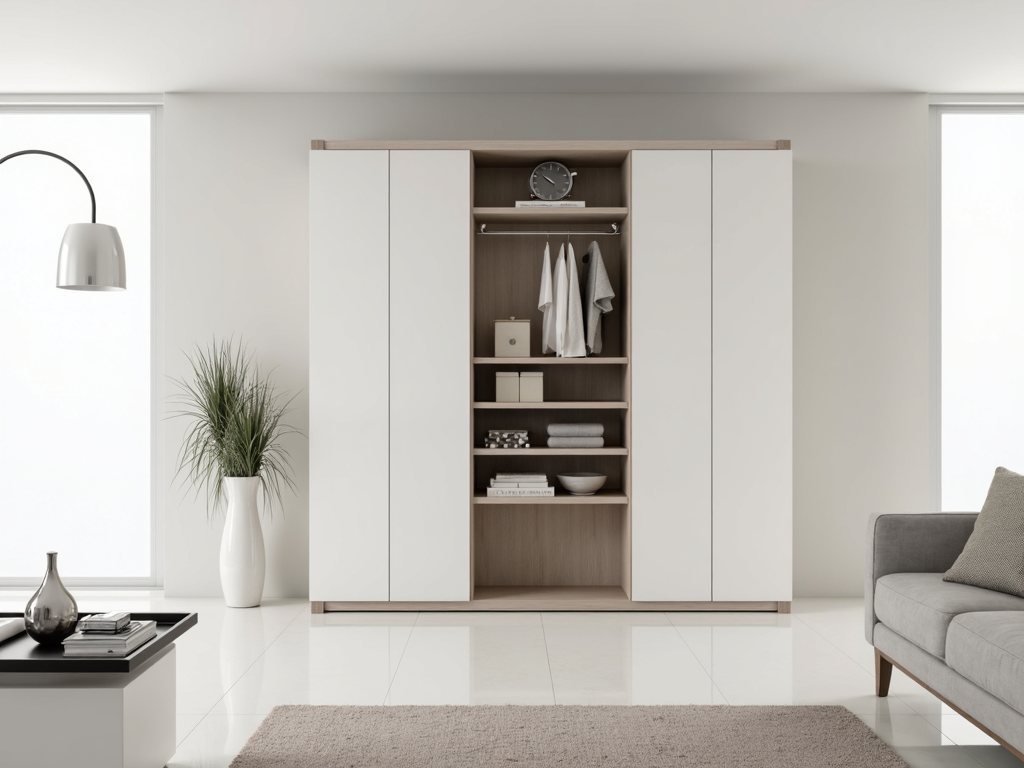
The magic of these armoires lies in their hidden compartments. Here are some I’ve seen and used:
- Secret Drawers: Tucked behind panels or under shelves, these are perfect for small treasures. I found one in an old armoire that opened with a gentle push—pure genius.
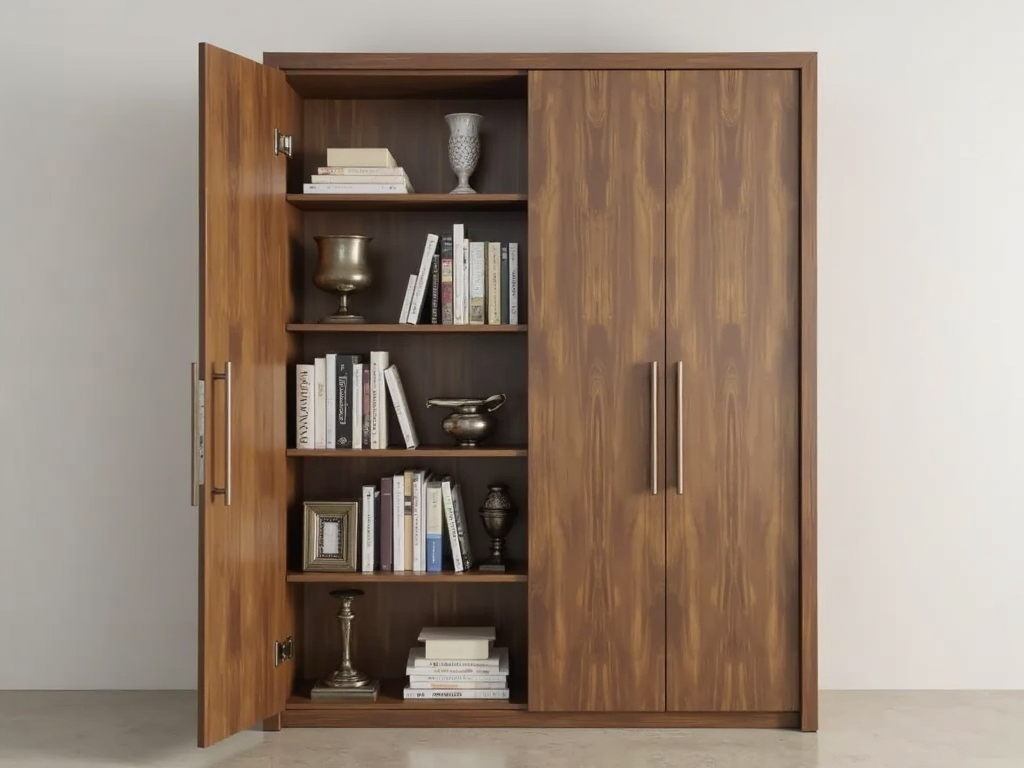
- Hidden Shelves: Ever slid a mirror aside to find a shelf? I did, and it’s now where I keep my favorite books out of sight.
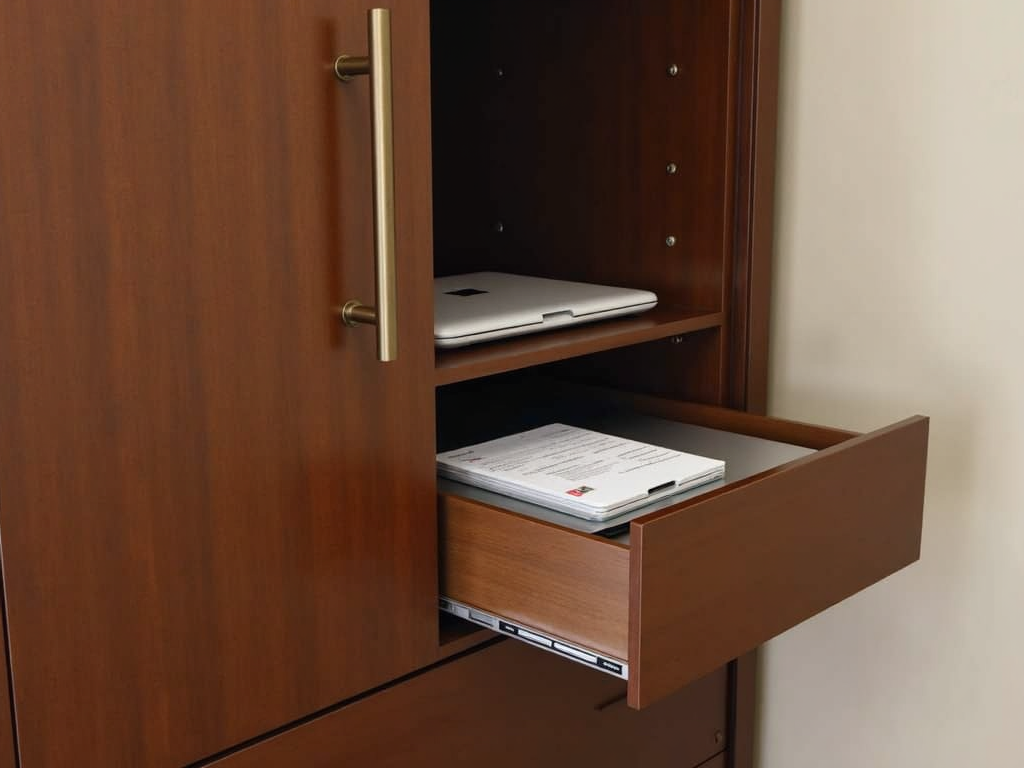
- Behind Doors: Some armoires hide spaces behind their doors. I’ve stored a laptop in one, safe and sound.
- False Bottoms: A shallow space under the base is great for flat items. I keep old letters there, hidden but close.
How to Choose the Right Multifunctional Armoire
Picking the perfect armoire takes a little thought. Here’s what I learned:
Size Matters
- Measure your space first. My first armoire was too tall for my low ceiling—oops!
- Check depth for tight spots like hallways.
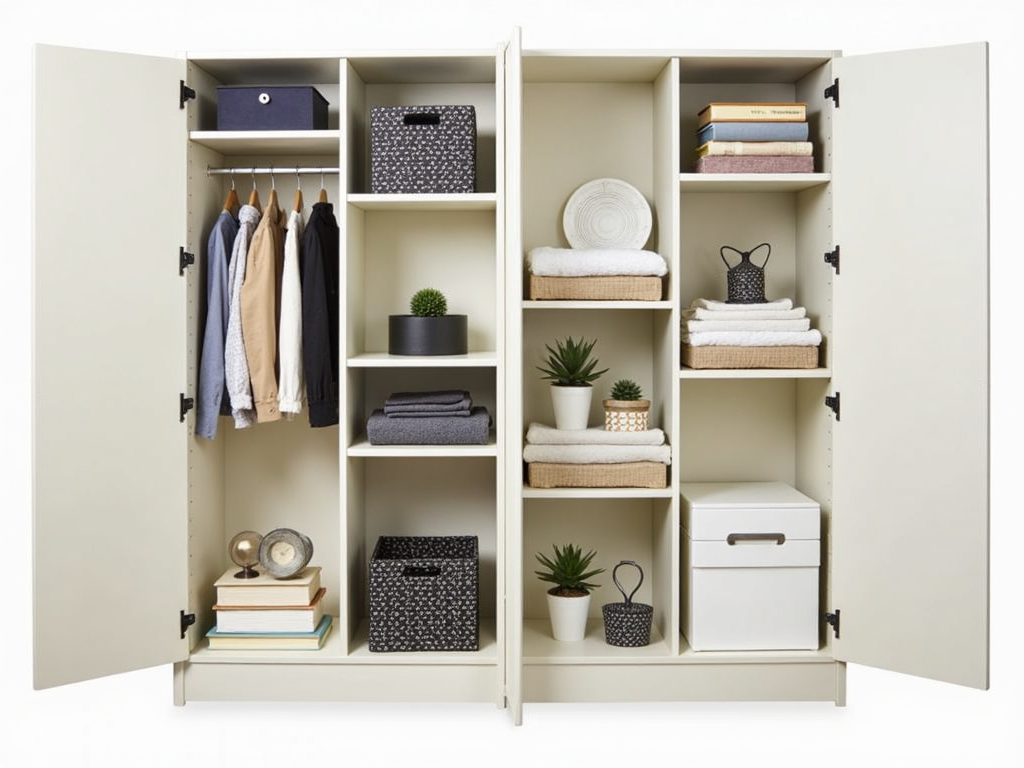
- Ensure it holds what you need inside.
Style It Up
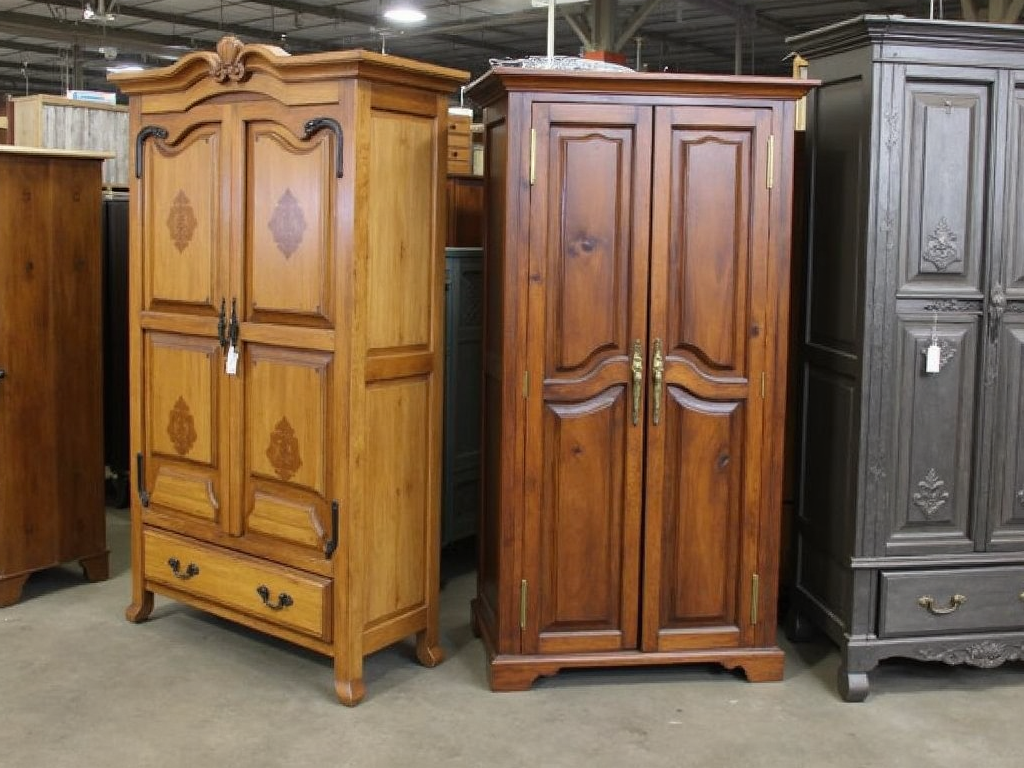
- Match your vibe. I chose a dark wood armoire for my cozy setup.
- Lighter finishes can brighten small rooms.
- Mirrors on doors? They make spaces feel bigger.
Function First
- Need a desk or TV stand too? Look for extras. Mine doubles as a workspace.
- Adjustable shelves are a win for flexibility.
- For electronics, ventilation is key.
Quality Check
- Solid wood lasts but weighs more. I went with engineered wood for easy moving.
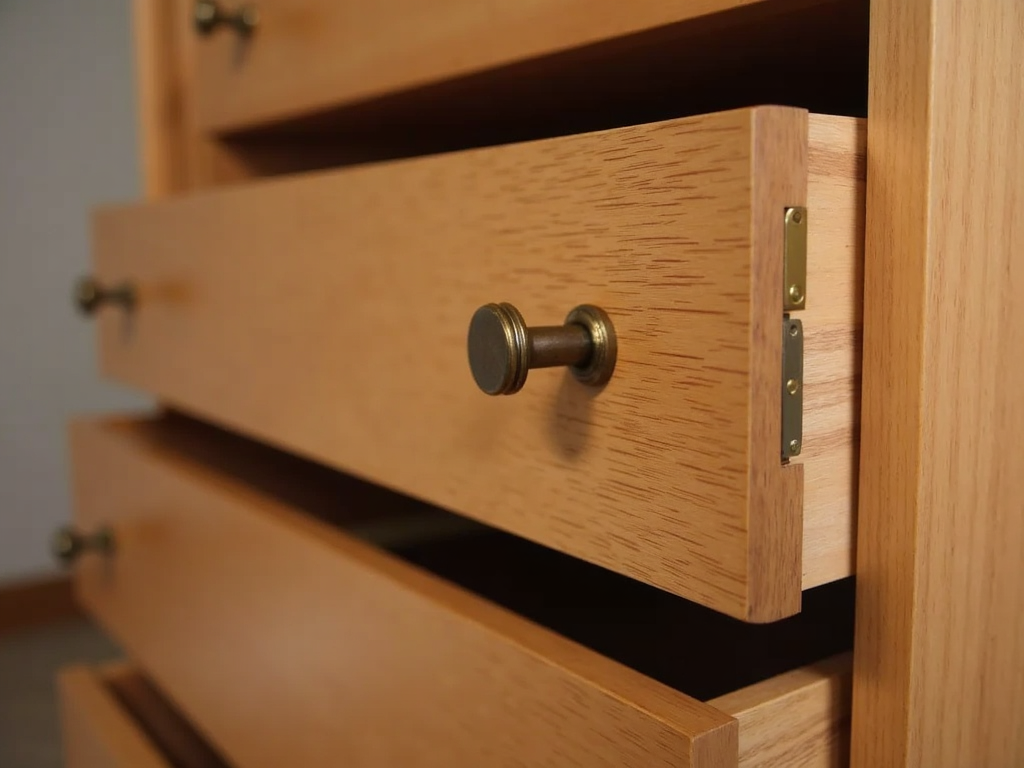
- Test drawers—they should glide, not stick.
- Look for sturdy joints. It’s worth it.
The History of Armoires
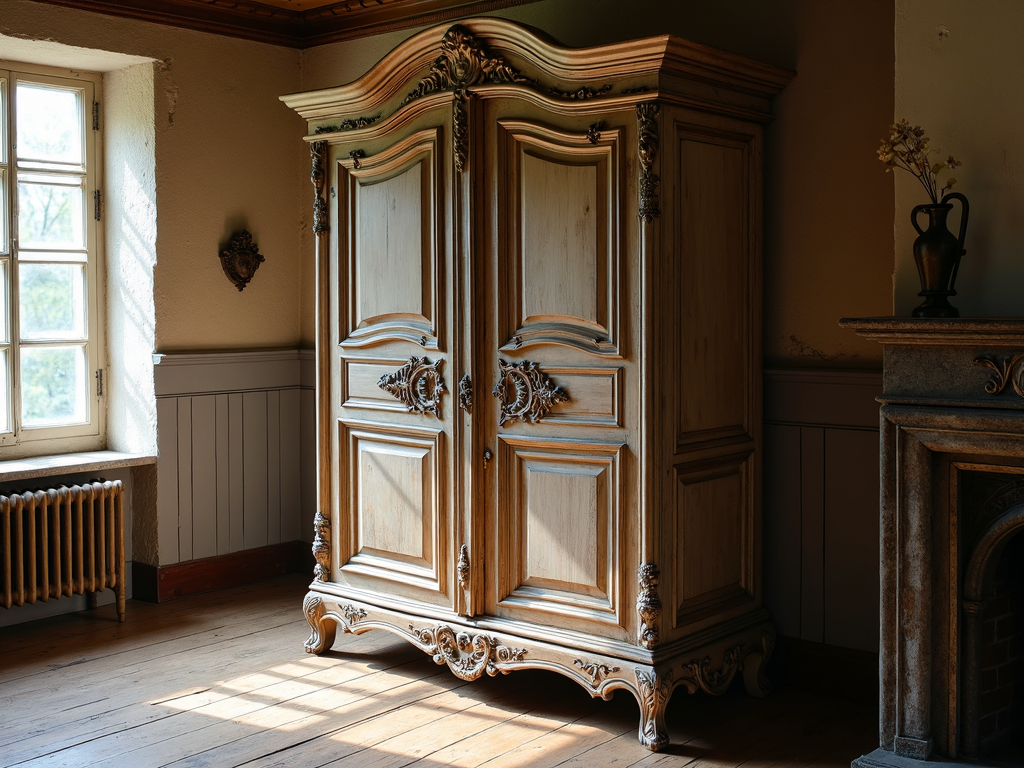
Armoires have a cool backstory. They started in medieval Europe for storing armor—yep, that’s where “armoire” comes from, the French word for armor. Back then, they were huge, heavy, and built to last. I saw a replica once, and it felt like a fortress! Over centuries, they shifted to hold clothes and household goods as homes changed. By the 18th century, they were fancier, with carvings and mirrors. Today, multifunctional armoires with hidden compartments take that legacy and add modern twists. It’s amazing how furniture evolves with us.
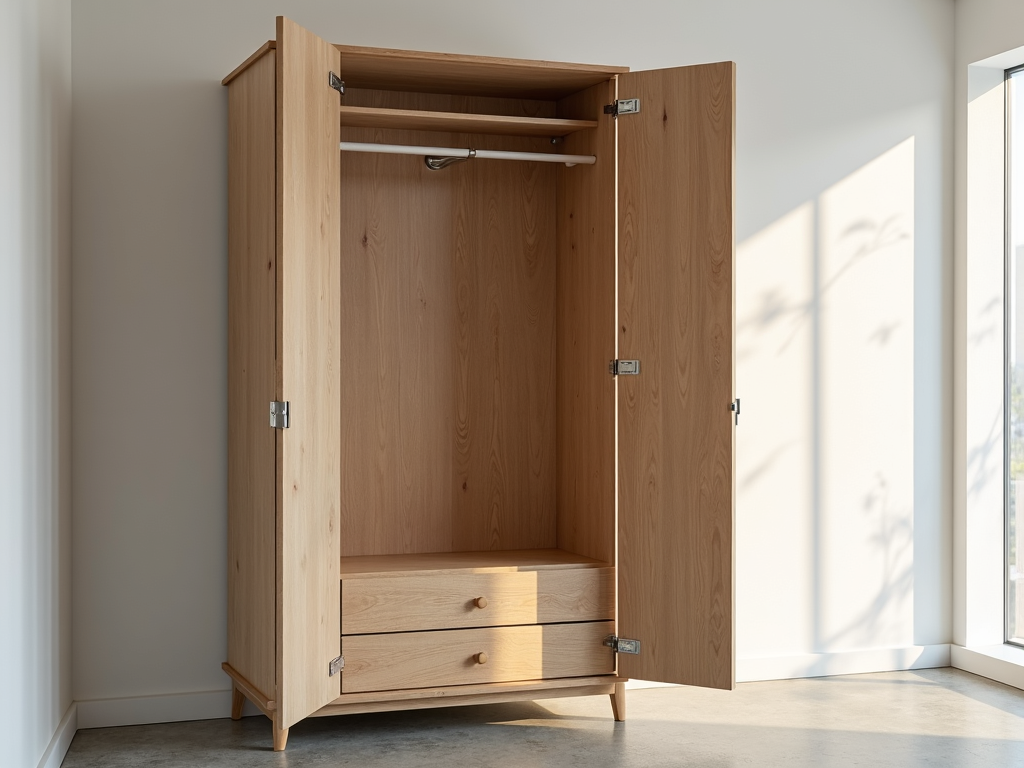
Tips for Using Your Armoire
Here’s how I make mine work:
| Use Case | Idea |
|---|---|
| Small Spaces | Fold-out desk for a quick office |
| Valuables | Secret drawer for jewelry |
| Clutter Control | Hidden shelf for extra linens |
- Rotate items seasonally to keep it fresh.
- Add organizers inside for tiny stuff.
- Test hidden spots to ensure they’re secure.
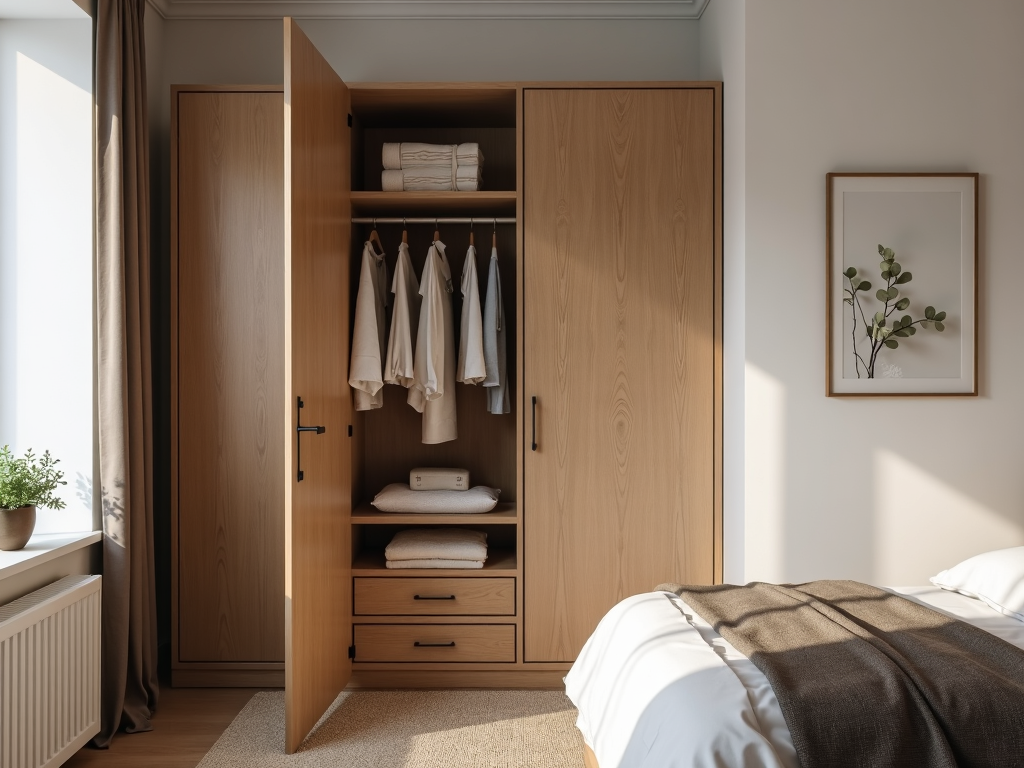
Conclusion
Multifunctional armoires with hidden compartments are a brilliant mix of style, storage, and surprise. They’ve saved my space and sanity more than once. Whether you need to hide valuables or just want a standout piece of furniture, there’s an armoire for you. Take your time picking one—it’s an investment in your home. Want to dig deeper? Check out the readings below!