


Featured Post
Choosing the Perfect Nightstands for Kids' Bedrooms and Nurseries
Why Nightstands Matter in Kids' Rooms
A nightstand might seem like a small piece of furniture, but it plays a big role in kids' bedrooms and nurseries. It gives children a spot for their bedtime essentials and helps create a cozy, organized space.
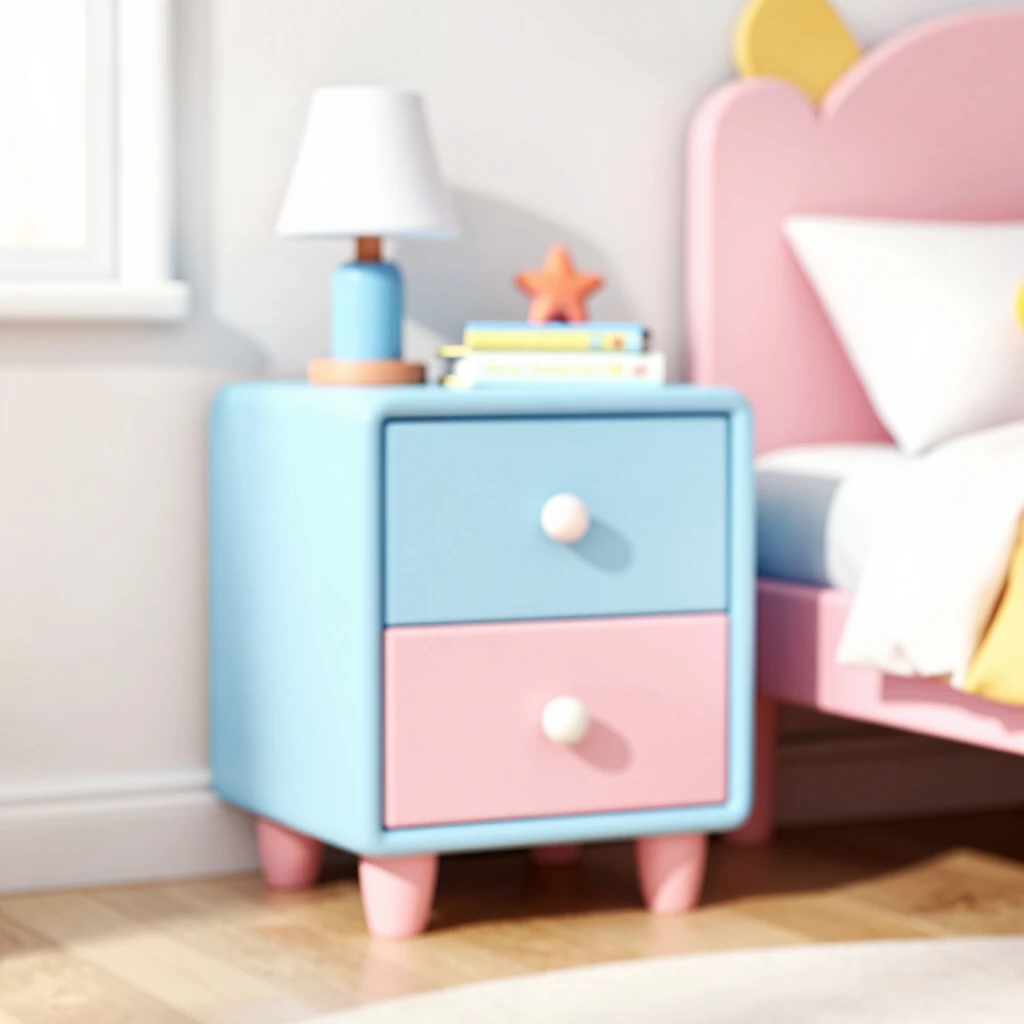
As a parent, I've seen firsthand how the right nightstand can make bedtime smoother. My daughter used to scatter her water cup and books everywhere. Once we added a simple nightstand, everything had a place, and she felt more independent reaching for her things at night.
Nightstands for kids' bedrooms and nurseries aren't just about storage. They teach responsibility and add personality to the room.
Safety Comes First
When shopping for a nightstand, safety is non-negotiable. Kids are curious and active, so look for these features:
- Rounded edges to prevent bumps and bruises
- Sturdy construction that won't tip over easily
- Non-toxic finishes and paints
- Securely attached drawers or doors
Many experts, including the Consumer Product Safety Commission, recommend anchoring taller furniture to the wall. This applies to nightstands too, especially in nurseries where babies start pulling up.
I learned this the hard way when my son's wobbly old nightstand tipped during a playful jump. We switched to a heavier, low-profile model and anchored it—peace of mind restored!
Size and Height Guidelines
The nightstand should match your child's bed height. Ideally, the top surface sits level with or slightly below the mattress. This makes it easy for little ones to reach without stretching.
Here's a quick guide:
| Child Age | Recommended Height | Typical Dimensions |
|---|---|---|
| Nursery (0-2 years) | 18-22 inches | Small, 15-20" wide |
| Toddler (2-5 years) | 20-24 inches | Compact with storage |
| School-age (6+) | 24-28 inches | Larger drawers for books |
Measure your bed first to avoid mismatches.
Materials That Last
Kids' furniture takes a beating, so choose durable materials:
- Solid wood: Timeless and strong, but heavier
- Engineered wood (MDF): Affordable and smooth finish
- Plastic: Lightweight and easy to clean—great for nurseries
Avoid particle board if possible; it doesn't hold up well over time. Look for GREENGUARD Gold certification for low chemical emissions, especially important in nurseries.
Storage Options to Consider
Think about what your child needs at arm's reach:
- A lamp for reading or night-light
- Water cup (spill-proof!)
- Tissues or wipes
- Favorite book or toy
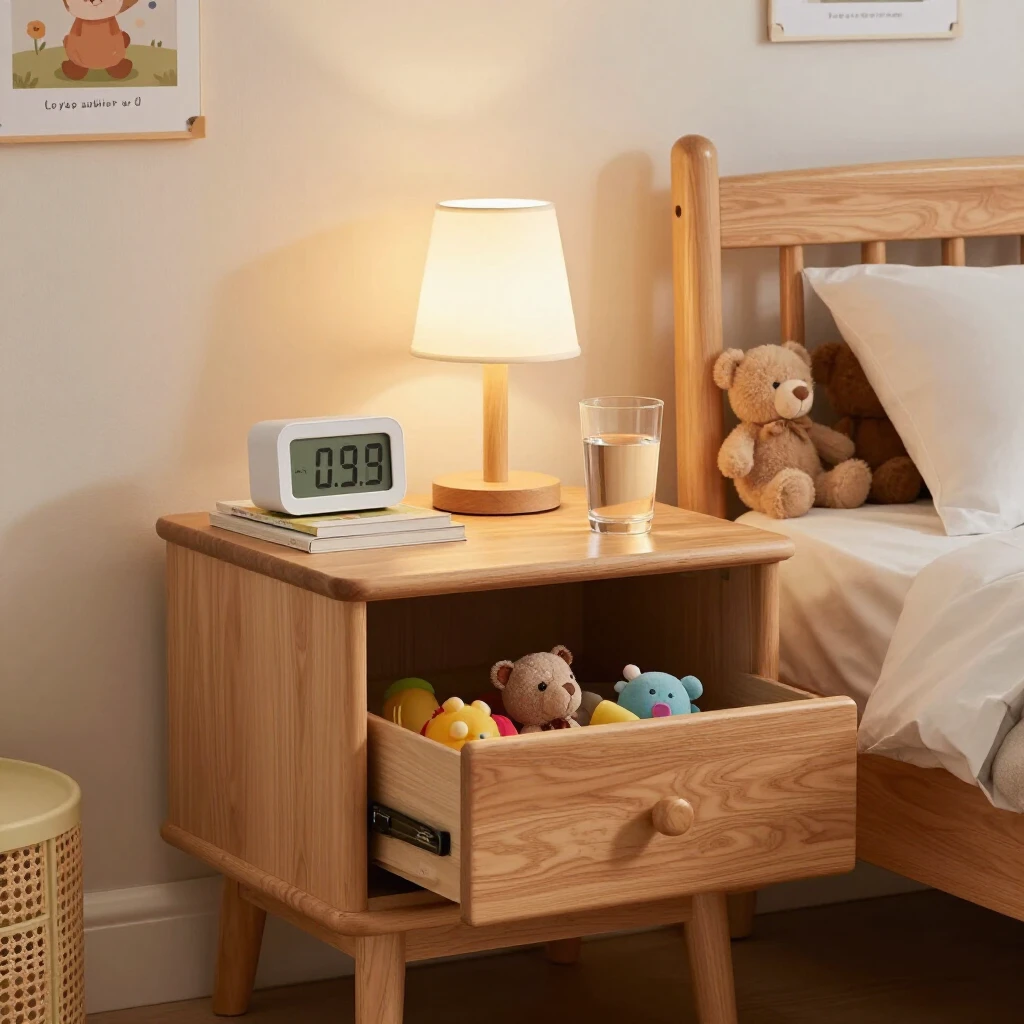
- Clock for older kids learning time
Drawers hide clutter, while open shelves display cherished items. Some nightstands even have built-in chargers—handy for teens transitioning from kid rooms.
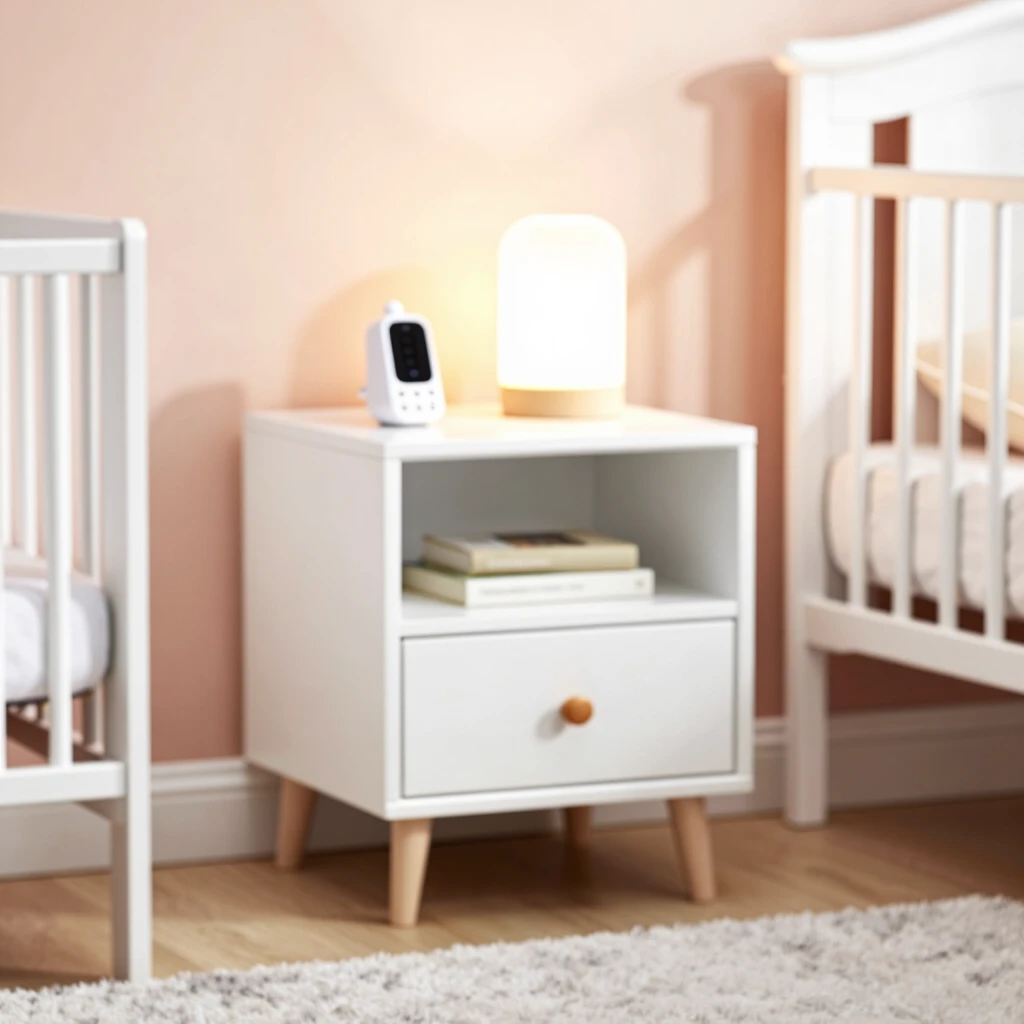
In our home, a two-drawer nightstand worked wonders for my older child. She keeps pajamas in one drawer and art supplies in the other. For the nursery, we chose an open-shelf design for quick diaper access during night changes.
Styles to Match Any Theme
Nightstands for kids' bedrooms and nurseries come in endless styles:
- Classic white for a clean, versatile look
- Bright colors for fun energy
- Themed designs (animals, space, princess)
- Montessori-inspired low and accessible
- Modern minimalist with clean lines
Pick something that grows with your child. Neutral bases with changeable knobs or stickers offer flexibility as tastes evolve.
Budget Tips
You don't need to spend a fortune. Great options exist at every price point:
- Budget: Under $100 – Simple IKEA or Target finds
- Mid-range: $100-300 – Better materials and details
- Premium: $300+ – Heirloom-quality wood pieces
Check for sales, second-hand marketplaces (inspect safety), or DIY painting an old nightstand for a custom touch.
Making It Personal
Involve your child in choosing if they're old enough. Let them pick colors or add decals. This builds ownership and excitement about their space.
A nightstand can also hold special routines—like a journal for older kids or a sound machine for little ones.
Final Thoughts
The right nightstand turns a basic bedroom into a functional, inviting haven. Focus on safety, size, and your child's needs, and you'll find furniture that serves your family for years. Nightstands for kids' bedrooms and nurseries are more than storage—they're part of creating happy memories.