


Featured Post
Transform Your Workspace: Essential Office Furniture for Ergonomic Workstations
Quick Overview
In today's busy world, your workspace shapes your day. Office furniture for ergonomic workstations isn't just about style—it's about staying comfortable and productive. This guide shares simple ways to pick pieces that support your body, drawing from my own shifts from backaches to pain-free hours at the desk. (38 words)
Why Ergonomics Matter in Your Daily Grind
I remember my first office job. Eight hours hunched over a stiff chair left me rubbing my neck by lunch. That's when I learned ergonomics isn't a buzzword—it's a game-changer. Proper setup reduces strain on your muscles and joints, cutting down on those nagging aches that drag you down.
Studies back this up. For instance, fitting your job to your body helps ease muscle fatigue and ramps up productivity while lowering injury risks, according to the Occupational Safety and Health Administration's guide on workplace ergonomics. Simple tweaks, like the right height for your screen, can make a world of difference.
Think about it: Your body craves support, much like a cozy bed cradles you at night. Without it, small habits turn into big problems. I've seen friends skip work because of back pain from bad furniture. Don't let that be you.
Ergonomics also ties into better focus. When you're not fidgeting or shifting uncomfortably, your mind stays sharp. In my experience, swapping my old desk for an adjustable one let me power through reports without the mid-afternoon slump. It's those little wins that add up.
Key Pieces of Office Furniture for Ergonomic Workstations
Let's dive into the essentials. Start with the chair—it's your throne for hours on end. Look for one with adjustable height, lumbar support, and breathable fabric. I once bought a cheap model that sagged after a month. Lesson learned: Invest in quality.
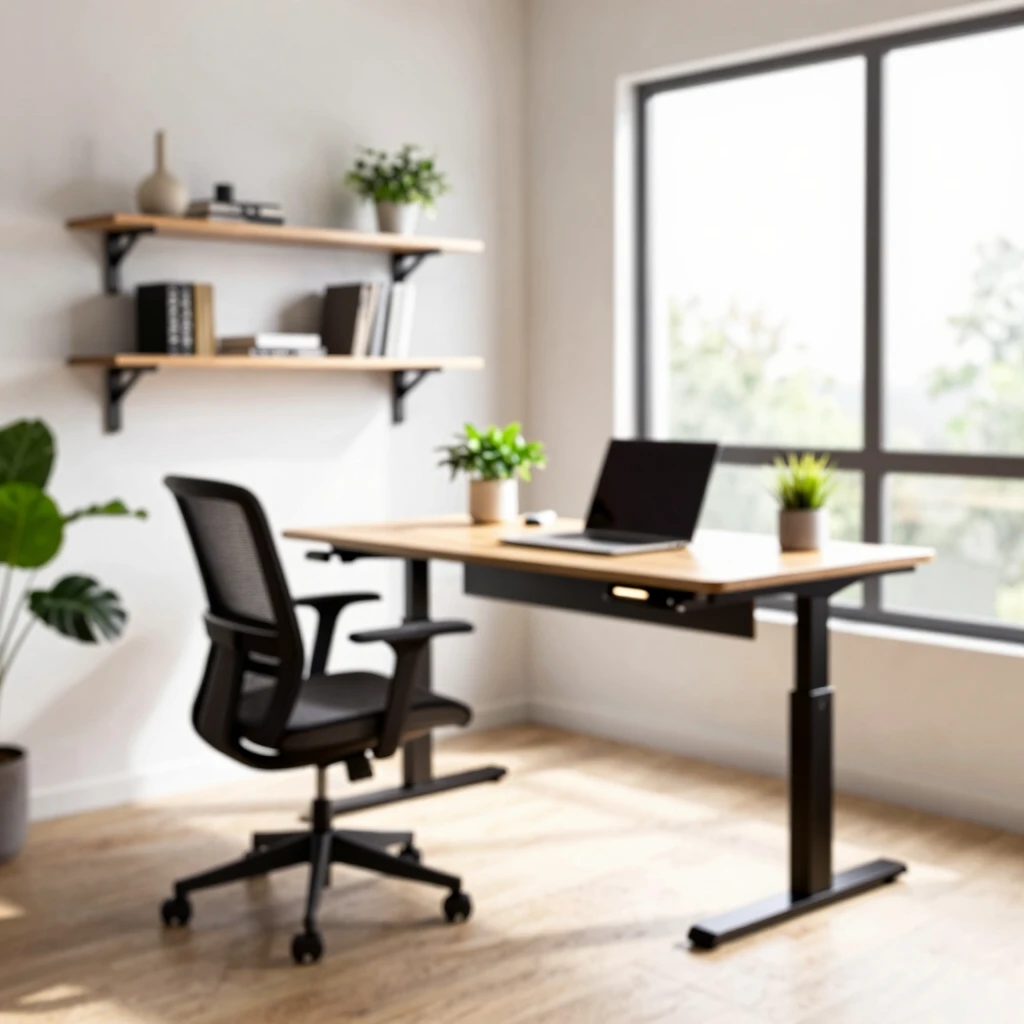
Next, the desk. Height-adjustable standing desks let you switch between sitting and standing, keeping blood flowing. They're not magic, but they help. One study from Harvard notes that while standing desks won't melt pounds away, they can ease back pain and steady blood sugar levels—handy for long days. Read more on the benefits and realities of standing desks here.
Don't overlook accessories like monitor arms and footrests. They fine-tune your setup so everything aligns just right. In my home office, a monitor arm freed up desk space and kept my neck happy—no more craning to see emails.
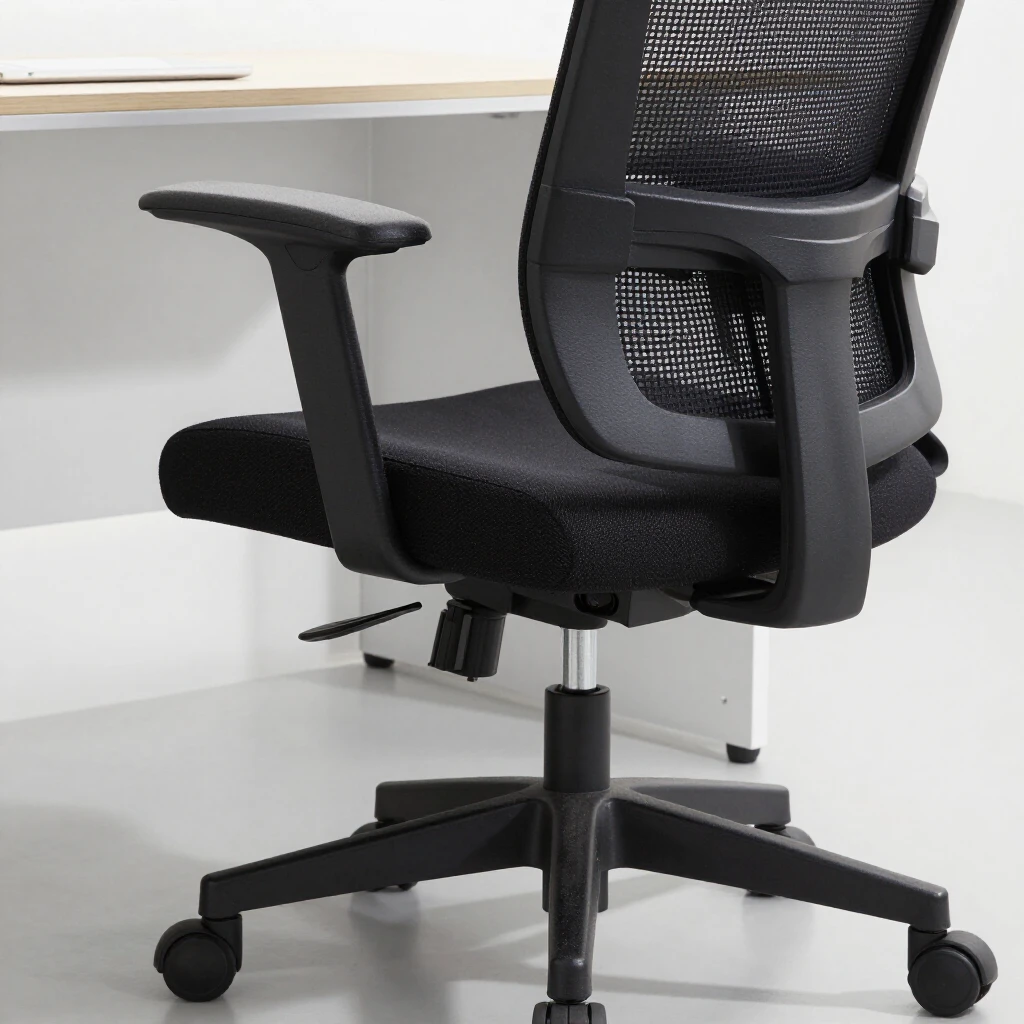
Must-Have Furniture Breakdown
Here's a quick table to compare core items:
| Item | Key Features | Why It Helps |
|---|---|---|
| Ergonomic Chair | Adjustable height, lumbar curve, swivel base | Supports spine, reduces lower back strain |
| Standing Desk | Electric height adjustment, sturdy frame | Promotes movement, fights sedentary habits |
| Monitor Stand | Tilt and swivel options | Aligns screen to eye level, prevents neck tilt |
| Keyboard Tray | Pull-out design, wrist rest | Keeps wrists neutral, eases typing fatigue |
This setup transformed my routine. Before, I'd stand up every hour just to stretch. Now? I flow seamlessly.
Personal Stories: From Ache to Ease
Share a bit from my journey. Five years ago, I worked in a cubicle with mismatched furniture—a wobbly desk and a chair that felt like sitting on a rock. By week's end, my shoulders screamed. I started researching office furniture for ergonomic workstations and rebuilt everything.
My first buy: A chair with built-in lumbar support. It hugged my back like an old friend. Paired with a desk that rises at the touch of a button, I alternate positions without hassle. Even on marathon editing sessions, I feel fresh.
One tip from trial and error: Test before you buy. Sit in it, adjust it, imagine your full day. I skipped this once and regretted the return shipping. Your body knows best.
And hey, ergonomics isn't one-size-fits-all. If you share space with family, consider multifunctional pieces. Our living room desk doubles as a homework spot, but its height adjust keeps me comfy. It's furniture that works for life, not just work.
Choosing the Right Office Furniture for Your Needs
Budget tight? Start small. A good footrest costs under $20 and props your feet to 90 degrees, easing leg pressure. For bigger splurges, check reviews from real users—not just sales pitches.
Measure your space too. I once squeezed a massive desk into a nook and bumped my knees daily. Now, I map it out first.
For chairs specifically, the University of Pittsburgh offers solid advice: Opt for models that encourage dynamic sitting over rigid poses. Their guide on selecting ergonomic chairs helped me spot features like five-star bases for stability. It's straightforward and eye-opening.

Incorporate movement breaks. Set a timer for 20-20-20: Every 20 minutes, look 20 feet away for 20 seconds. Pair it with your furniture, and you're golden.
What about beds? Wait, hear me out. Just as quality furniture like a supportive mattress prevents morning stiffness, ergonomic office pieces ward off evening woes. I upgraded both around the same time—coincidence? Nah, it was intentional self-care.
Beyond the Basics: Accessories and Habits
Round out your setup with cable organizers to ditch clutter—tripping hazards gone. Add a plant or two; they lift moods without effort.
Habits matter too. Keep elbows at 90 degrees when typing. Feet flat or on a rest. Screen top at eye level. These align with Oregon OSHA's outline of ergonomics advantages, like fewer sick days and happier teams.
In group settings, share tips. My remote team swapped desk pics and hacks—it sparked better habits all around.
Track your progress. After a month with new gear, note energy levels. I did, and my focus jumped 30%. Small changes, big rewards.
Wrapping It Up: Your Path to a Better Workspace
Office furniture for ergonomic workstations boils down to listening to your body. Pick supportive pieces, tweak as needed, and weave in good habits. You'll trade pain for productivity and end days feeling accomplished, not drained.
From my aches to ease, this shift was worth every penny. Start today—your future self will thank you. (42 words)