




Featured Post
The Benefits of Sustainable Furniture: Why It’s the Smart Choice for Your Home
A Quick Overview
Sustainable furniture offers real advantages that go beyond trends. It helps the planet, improves indoor air quality, lasts longer than conventional pieces, and can even save you money over time. In this guide, we’ll look at why making the switch matters and share practical advice for choosing the right furniture for your home, maximizing storage with efficient furniture, and even simple assembling dresser furniture tips.
What Makes Furniture Sustainable?
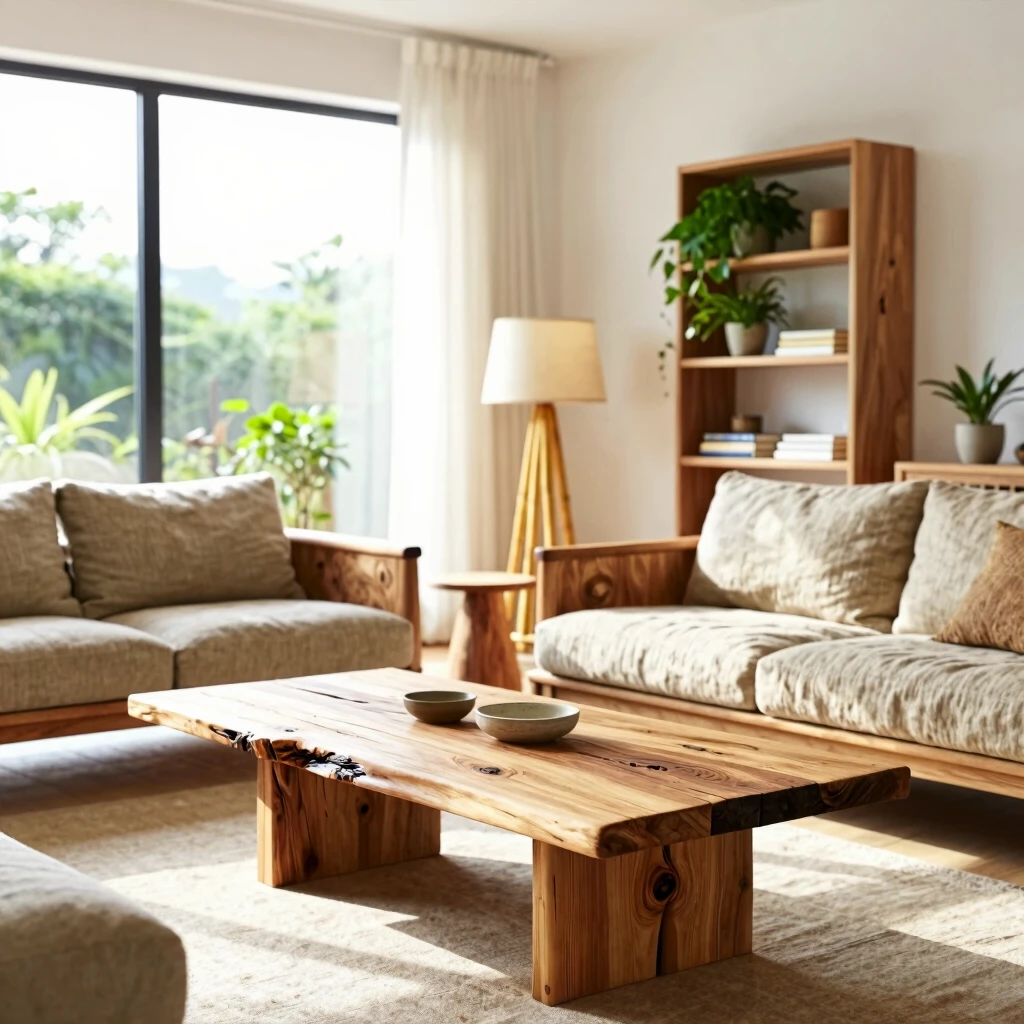
Sustainable furniture is made with materials and processes that minimize harm to the environment. Manufacturers use responsibly sourced wood (FSC-certified), recycled metals, bamboo, reclaimed timber, or non-toxic finishes. They also focus on fair labor practices and designs built to last for decades instead of a few years.
When you choose sustainable pieces, you actively reduce deforestation, cut down on landfill waste, and lower the amount of chemicals released into the air inside your home.
Environmental Benefits You Can Feel Good About
Furniture production is surprisingly resource-intensive. Traditional manufacturing often involves clear-cutting forests and heavy use of fossil fuels. Sustainable options flip that script.
- FSC-certified wood ensures forests are managed responsibly.
- Reclaimed wood gives old materials new life and prevents trees from being cut down.
- Bamboo grows quickly and requires little water or pesticides.
- Recycled metals reduce mining impacts.
By choosing these materials, you directly lower your household’s carbon footprint. Many sustainable brands also offset shipping emissions or use renewable energy in their factories.
Healthier Air Inside Your Home
Conventional furniture often off-gasses volatile organic compounds (VOCs) from glues, finishes, and foams. These chemicals can linger for years and affect indoor air quality.
Sustainable furniture avoids or drastically reduces VOCs. Manufacturers use water-based finishes, natural latex foam, and solid wood instead of particleboard held together with formaldehyde-based adhesives. Families with children, asthma sufferers, or anyone sensitive to chemicals notice the difference quickly.
In my own home, switching to low-VOC pieces made the air feel fresher and reduced occasional headaches we used to experience.
Built to Last—Saving Money in the Long Run
Sustainable furniture is designed for longevity. Solid hardwoods, proper joinery, and high-quality hardware mean pieces withstand daily use without falling apart.
While the upfront cost may be higher, the math often works in your favor:
| Aspect | Conventional Furniture | Sustainable Furniture |
|---|---|---|
| Average lifespan | 5–10 years | 20–50+ years |
| Replacement frequency | Every 7–10 years | Rarely |
| Cost over 20 years | 2–3 purchases | Usually 1 purchase |
| Repairability | Difficult/expensive | Often simple and affordable |
Investing in one good piece beats buying cheap replacements multiple times.
Choosing the Right Furniture for Your Home
When choosing the right furniture for your home, start with your actual needs. Measure your space carefully—twice!—and think about how you live day to day.
Look for: - Solid wood over particleboard - Non-toxic, water-based finishes - Certifications like FSC, Greenguard Gold, or Cradle to Cradle - Local or regional makers to reduce shipping emissions - Modular designs that can adapt as your needs change
A well-chosen sustainable piece fits your style, functions beautifully, and aligns with your values.
Maximizing Storage with Efficient Furniture
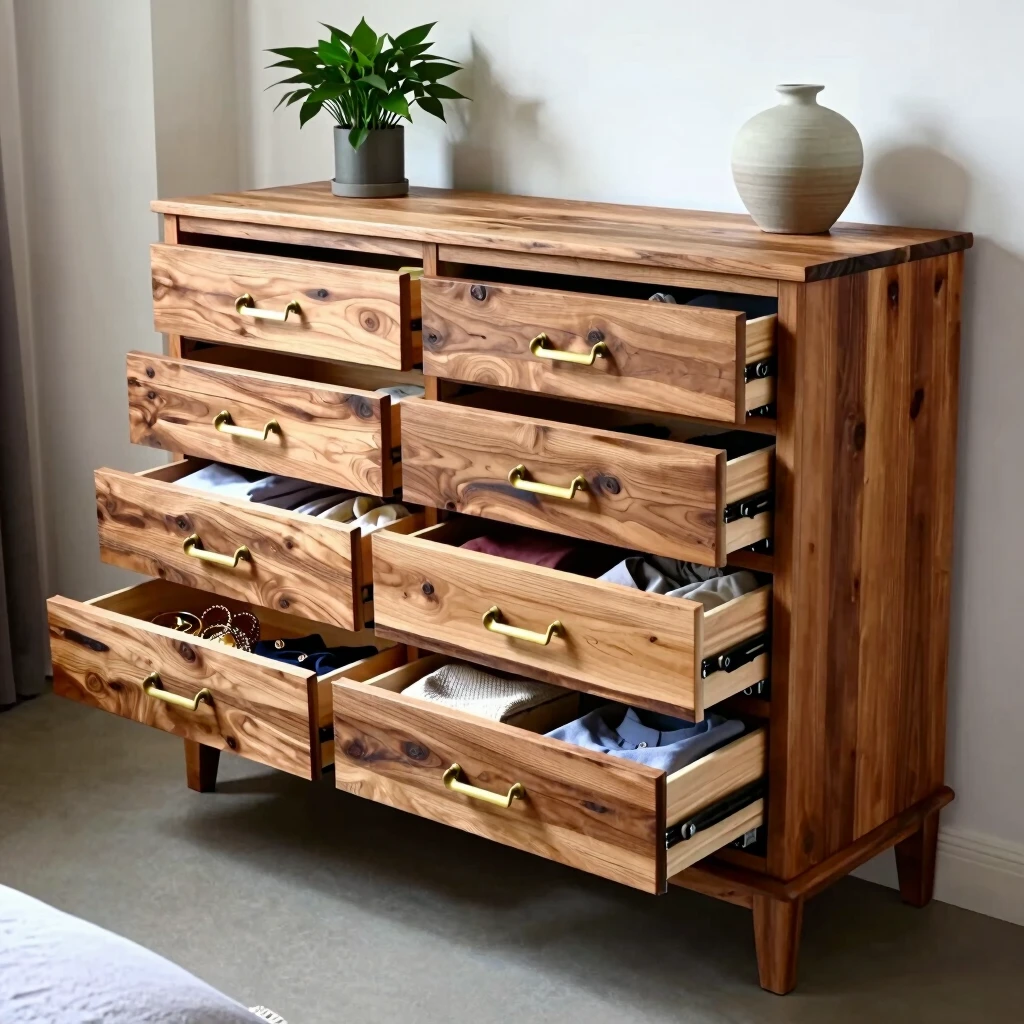
Smart storage makes daily life smoother. Sustainable dressers excel here because they’re often built with deeper drawers, better slides, and thoughtful organization options.
Tips for getting the most out of your dresser: - Use drawer dividers or fabric bins to separate categories. - Roll clothes instead of folding to see everything at a glance. - Store less-used items in lower drawers and everyday pieces up top. - Add felt liners to protect both the drawer and your items. - Consider dressers with built-in jewelry trays or hidden compartments.
Efficient storage reduces clutter and makes your bedroom feel calmer.
Assembling Dresser Furniture Tips
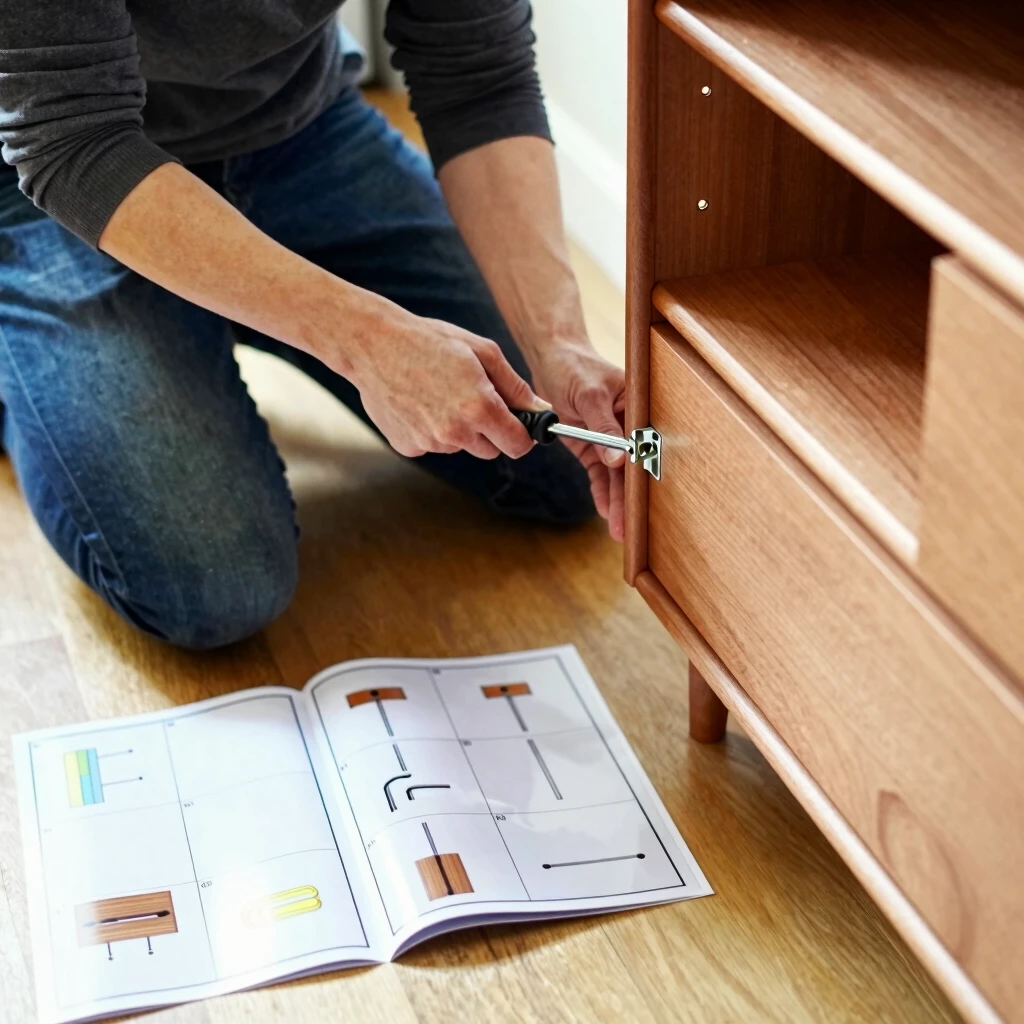
Many sustainable brands now offer flat-pack dressers to reduce shipping costs and emissions. Assembly is usually straightforward if you follow a few key steps.
- Clear a large workspace and lay out all parts.
- Check you have every piece and all hardware before starting.
- Follow instructions step by step—don’t skip ahead.
- Use the correct tools (usually just an Allen key and screwdriver).
- Tighten screws gradually in a cross pattern to keep everything square.
- Have a second person help lift heavier sections.
- Allow glue to cure fully if the design uses it.
Taking your time during assembly ensures your dresser stays sturdy for decades.
Style That Never Goes Out of Fashion
Sustainable furniture often emphasizes timeless design and natural beauty. The visible grain of real wood, honest joinery, and neutral tones age gracefully and work with many decor styles.
Whether you prefer Scandinavian minimalism, mid-century warmth, or rustic charm, there’s a sustainable option that fits. These pieces become family heirlooms rather than temporary fillers.
Final Thoughts
The benefits of sustainable furniture touch every part of life: a healthier planet, cleaner indoor air, pieces that last a lifetime, and the satisfaction of making conscious choices. Start small—one dresser, one chair—and you’ll likely find yourself wanting to replace more items with better alternatives.
When you invest in quality, eco-friendly furniture, you’re not just furnishing a house. You’re creating a home that reflects care—for the environment, for your family’s health, and for the future.