


Featured Post
The Psychology of Color in Home Design: Transform Your Living Spaces with Intent
A Quick Overview of The Psychology of Color in Home Design
Colors do more than decorate—they whisper to your emotions. In home design, the psychology of color guides how we feel in a space. Warm hues spark energy for lively gatherings, while cool tones invite calm reflection. This article dives into these effects, shares real tips, and ties it all to practical home updates like dining setups. Ready to paint your world with purpose? (42 words)
Why Colors Matter in Your Home
You walk into a room and instantly feel a shift. That's no accident. The psychology of color in home design taps into our deepest reactions. Researchers have long studied how hues influence mood, energy, and even productivity. For instance, a study from Emory University shows that a single color can stir different emotions depending on its pairings—gray with green might spark disgust, while with blue it soothes. Explore this emotional association in interior design.
In my own living room refresh last year, I swapped stark whites for soft terracottas. Suddenly, evenings felt cozier, conversations flowed easier. It's simple science: colors trigger brain responses tied to memories and culture. But don't overthink it—start small, observe what lifts you.
Think of your home as a canvas for well-being. Designers at Rocky Mountain College of Art and Design emphasize crafting palettes that align with room functions. A kitchen in vibrant yellow? It energizes your morning routine. Learn more about color theory for perfect palettes.
Here's a quick table to break down common colors and their vibes:
| Color | Emotional Effect | Best Room Use |
|---|---|---|
| Red | Excitement, appetite | Dining areas |
| Blue | Calm, trust | Bedrooms |
| Green | Balance, growth | Home offices |
| Yellow | Joy, energy | Kitchens |
| Neutral Grays | Serenity, focus | Living rooms |
Use this as your starting guide—mix and match based on your daily flow.
Warm Colors: Ignite Energy in Shared Spaces
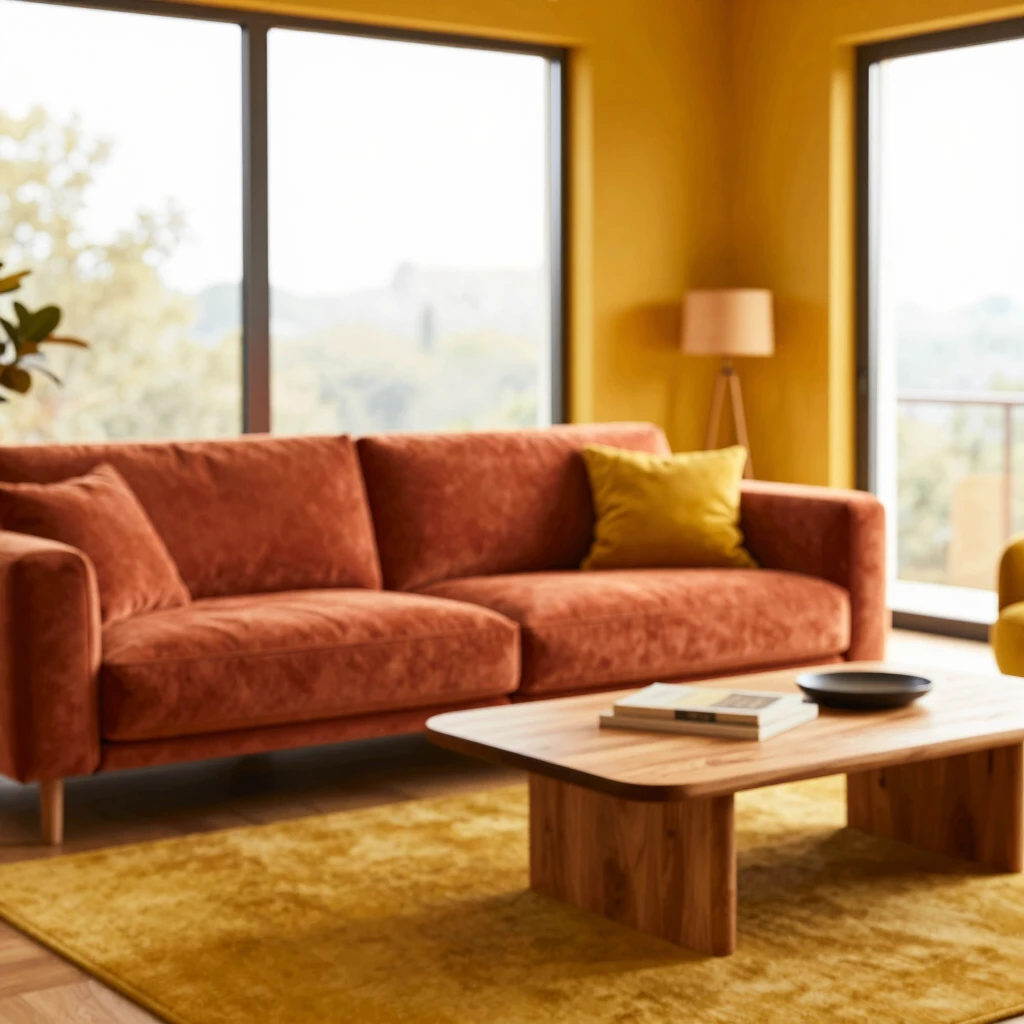
Warm colors like reds, oranges, and yellows act like a gentle nudge to your spirit. They expand spaces visually and crank up the social dial. Picture a sunset— that's the vibe they bring indoors.
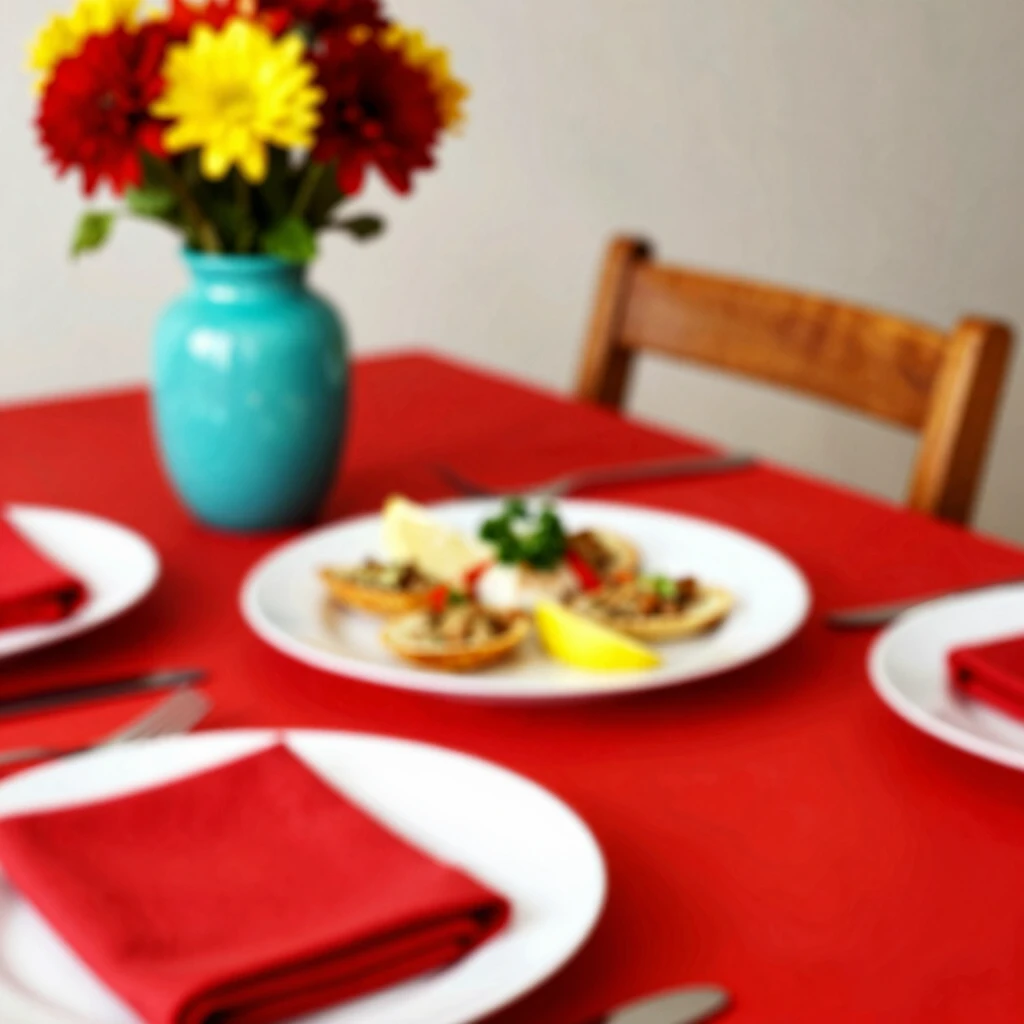
In dining rooms, red walls or accents can make meals memorable. It stimulates appetite and conversation, perfect for family dinners. I once painted my dining nook a soft crimson. Guests lingered longer, stories got bolder. Science backs this: the Interior Designers Institute notes warm hues boost happiness and vitality. Dive into their psychology of color guide.
But balance is key. Too much red? It overwhelms. Pair it with neutrals for harmony.
Incorporating Bold Colors into Your Home Decor
Feeling adventurous? Incorporating bold colors into your home decor shakes off the bland. Start with accents—a fiery orange throw pillow or emerald green vase. These pops draw the eye without committing a whole wall.
From my trial-and-error days, I learned accents forgive mistakes. Test swatches in your lighting; daylight shifts tones dramatically. Bold doesn't mean chaos—aim for 60-30-10 rule: 60% neutral base, 30% secondary color, 10% bold accent.
Pro tip: Layer textures. A velvet bold cushion on linen feels luxurious, not loud. This approach turned my once-drab entryway into a welcoming burst of personality.
For inspiration, the American Society of Landscape Architects highlights how colors like electric blue signal modernity and trust—adapt that indoors for fresh edges. Read their take on color's mind-altering power.
- Choose bold paints with low VOC for health.
- Mix metallics for depth.
- Rotate seasonally to keep it exciting.
Cool Colors: Craft Calm Corners
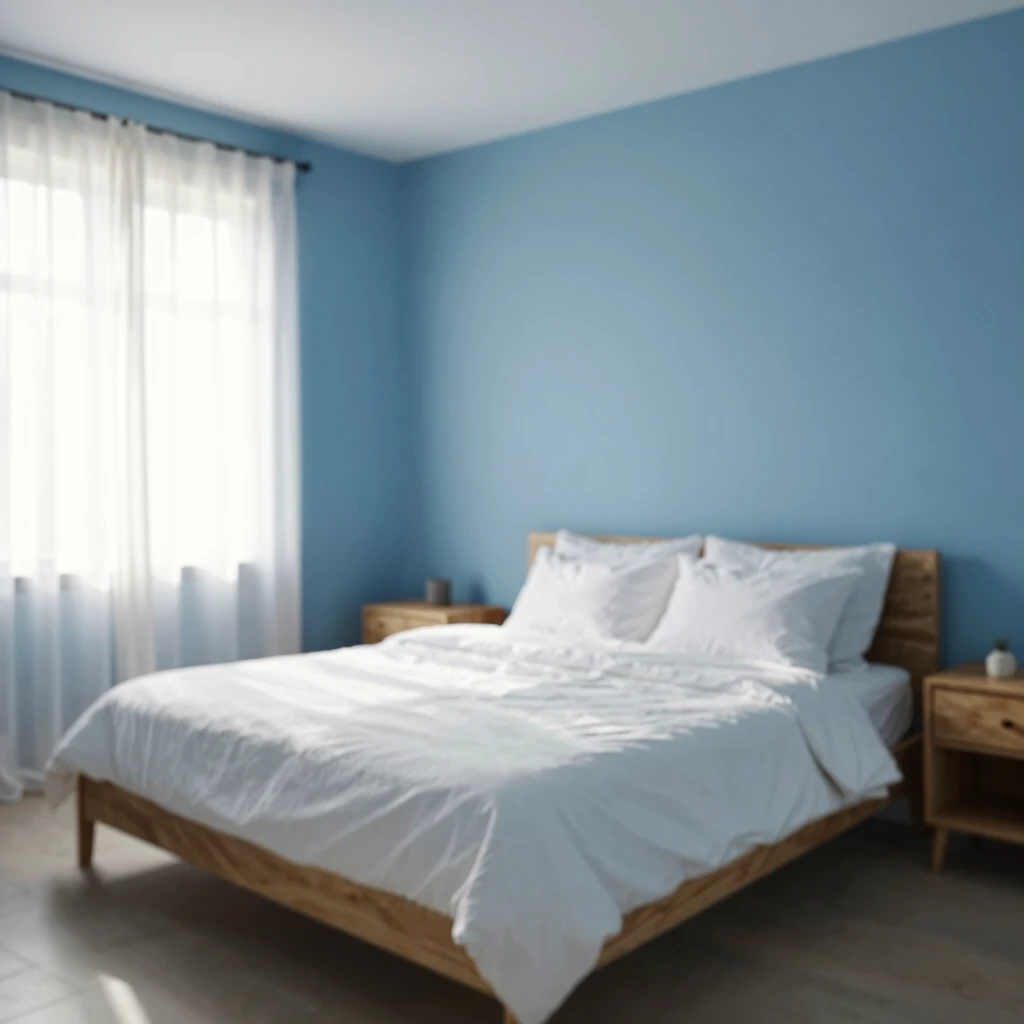
On the flip side, cool blues, greens, and purples dial down the buzz. They recede visually, making rooms feel larger and more peaceful. Ideal for wind-down zones like bedrooms or reading nooks.
Blue whispers trust—think ocean waves lulling you to sleep. In my guest room, a pale azure transformed it from stuffy to spa-like. Guests raved about the restful stay. SIBA's design experts confirm: cool tones foster serenity. See why color theory elevates interiors.
Greens ground you, mimicking nature's reset button. Add potted plants for extra oomph.
Bringing It Home: Color in Dining Design
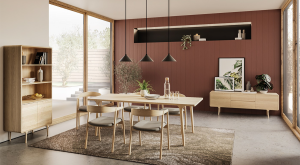
Dining spaces thrive on color psychology—they're hubs for connection. Warm tones encourage lingering; cools keep things crisp for quick bites.
Top Trends in Dining Furniture for 2024
2024 saw sustainable woods in earthy tones dominate, blending with bold upholstery. Think acacia tables in walnut finishes paired with mustard chairs. These nods to nature align with color psych's growth vibes.
Eco-materials rose, like recycled glass tabletops in seafoam green—calming yet modern. Curved edges softened lines, promoting flow. I spotted these at a design expo; they make gatherings feel organic.
How to Choose the Right Dining Table for Your Space
Size matters, but color seals the deal. Measure twice: add 36 inches around for chair pull-out. For small spots, opt for round glass in clear or tinted blue—expands visually.
Match wood grains to wall hues; light oak brightens dim rooms. Test under your lights—does it warm or cool the palette? My hack: Borrow samples from stores. It saved me from a mismatched buy.
Dining Furniture Layout Tips
Layout amps up color's impact. Center your table under a chandelier for focal glow. Angle chairs to face windows—natural light enhances hues.
- Float pieces for openness in open-plan homes.
- Use rugs to anchor, tying colors together.
- Layer heights: Pendant over table draws eyes up.
- Allow 24-30 inches between chairs for comfy moves.
In my setup, pushing the table against a sunny wall with red accents turned breakfasts into mood boosters. Flow matters—test paths to avoid bumps.
Personal Touches: Lessons from My Color Journey
I've repainted three rooms in five years, each teaching balance. Bold reds in the dining fueled holiday feasts, but overdid the energy—toned it with whites next round.
Greens in the office sharpened focus during work sprints. One regret? Ignoring lighting—fluorescents muddied my yellow kitchen. Now, I swear by samples at dawn and dusk.
Your home evolves with you. Poll family on faves; it's collaborative magic. Colors aren't static—they mirror life's seasons.
Actionable next step: Pick one room, one color. Journal moods before and after. You'll see the shift.
Wrapping Up: Color Your World Mindfully
The psychology of color in home design empowers you to curate joy. From bold dining pops to serene retreats, hues shape daily bliss. Experiment thoughtfully—your space deserves it. You've got the tools; now paint that canvas. (1487 total words)