





Featured Post
Understanding Furniture Materials: A Buyer’s Guide
Quick Overview
Buying furniture feels exciting, but choosing the right materials can make or break your purchase. In this guide, we break down popular options like wood, metal, and fabrics. You'll get tips on durability, style, and care to help your pieces last for years. Whether it's a cozy bed or a sturdy table, smart choices lead to a happier home. (42 words)
Why Materials Matter in Furniture
Think about your favorite chair. Does it hug you just right, or does it sag after a few months? The material makes all the difference. Good furniture stands up to daily life—kids jumping on the bed, coffee spills on the couch, or sun fading the curtains.
I've learned this the hard way. Once, I bought a cheap particleboard shelf that buckled under a few books. Now, I always check the build. Understanding furniture materials helps you spot quality without breaking the bank.
Materials affect more than strength. They influence how easy your furniture is to clean and how it fits your style. A sleek metal frame screams modern, while warm wood whispers cozy. Plus, some options suit small spaces better, like lightweight plastics that you can move around.
Wood: The Timeless Choice
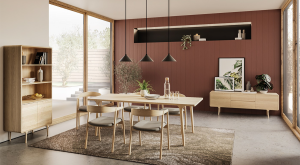
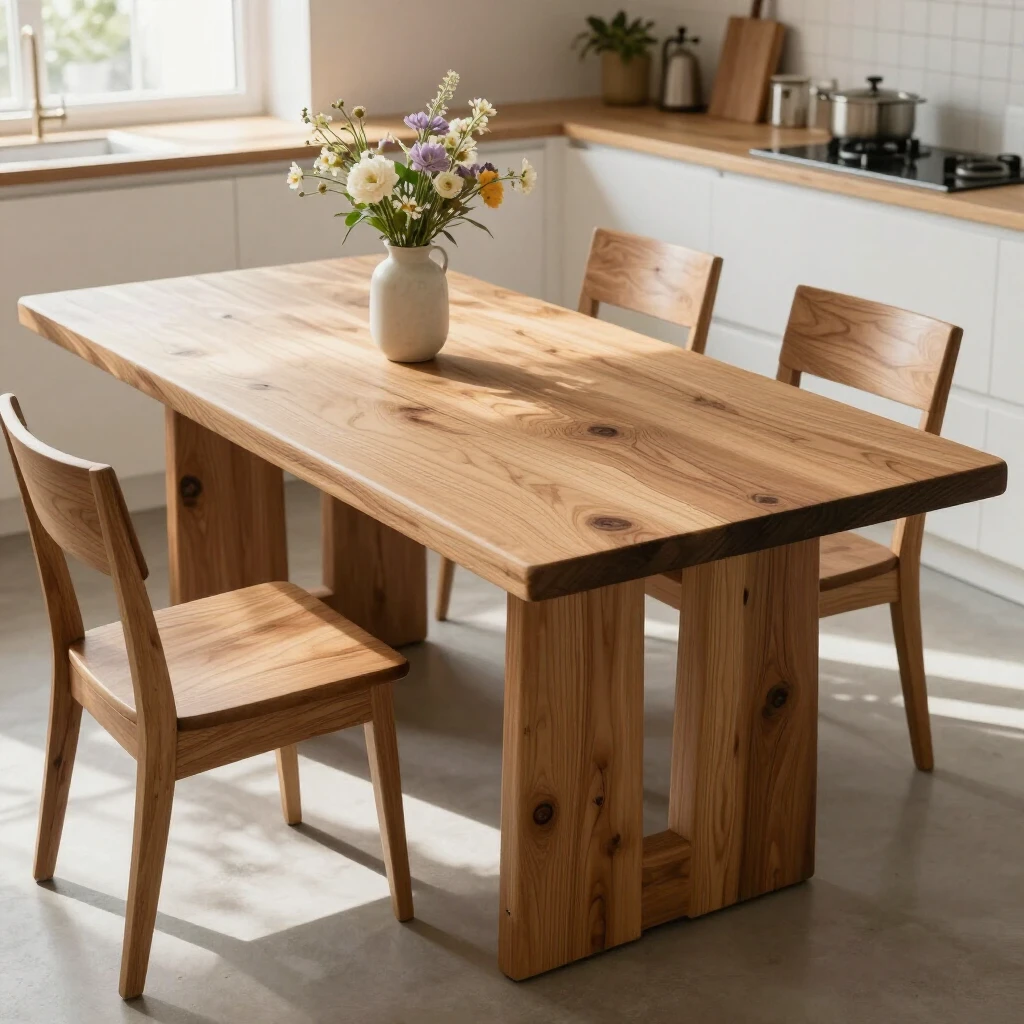
Wood tops the list for many buyers. It's warm, natural, and versatile. From solid oak beds to pine coffee tables, wood brings life to any room.
Types of Wood
Here's a quick rundown:
| Type | Best For | Pros | Cons |
|---|---|---|---|
| Oak | Tables, beds | Strong, durable | Heavy, pricey |
| Pine | Casual furniture | Affordable, light | Soft, scratches easily |
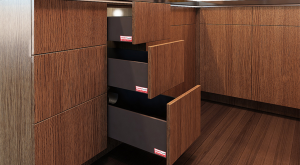
| Maple | Kitchen cabinets | Hard, smooth finish | Can yellow over time |
| Teak | Outdoor pieces | Weather-resistant | Expensive |
Solid wood means the real deal—no glued scraps. But engineered wood, like plywood, offers value without the weight.
In my home, an oak bed has been a game-changer. It holds up to nightly tosses and turns, unlike the flimsy metal one I had before. Look for tight grains and smooth finishes when shopping. Avoid anything with rough edges that could splinter.
Metal: Sleek and Sturdy
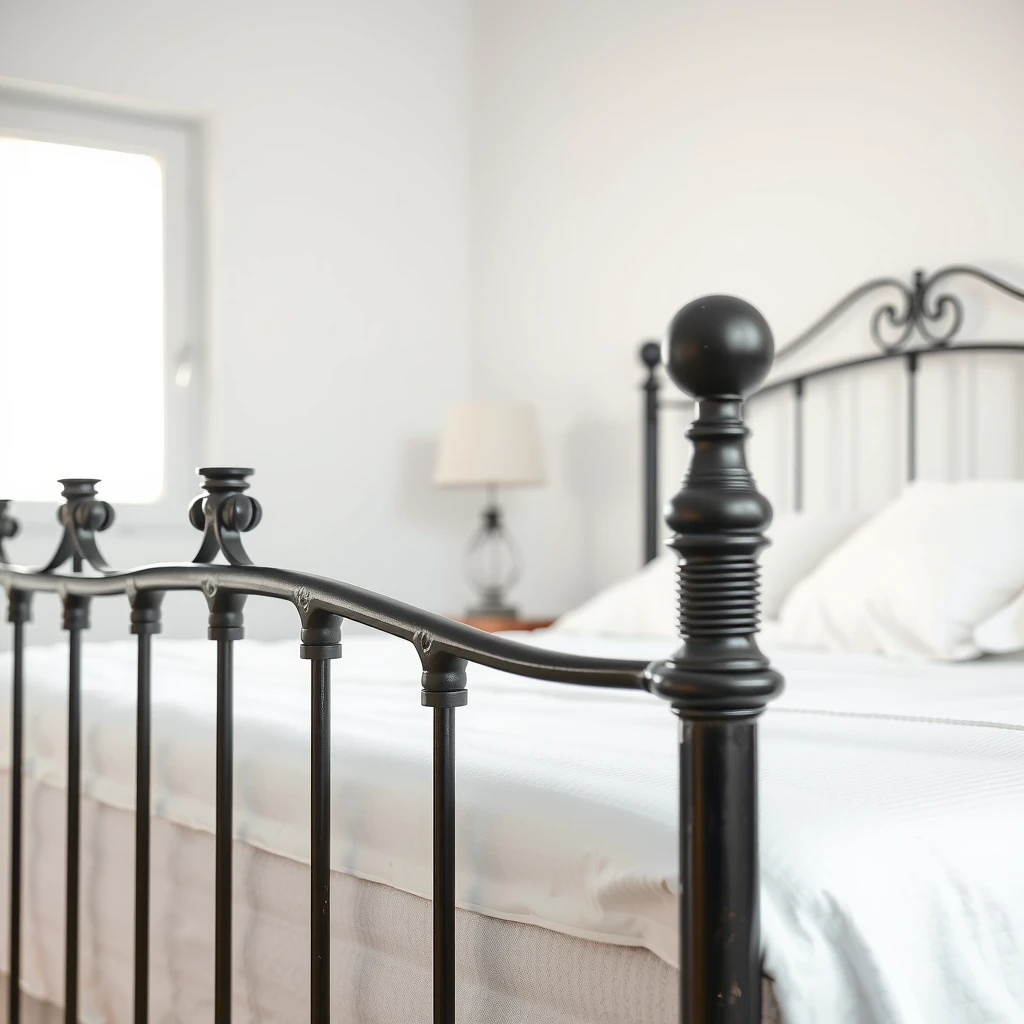
Metal furniture shines in modern setups. Think iron bed frames or aluminum chairs. It's tough against dents and easy to wipe down.
Metals like wrought iron resist rust if powder-coated. Stainless steel works great for dining sets—cool to the touch and bacteria-resistant. But watch for sharp edges on budget buys; they can snag clothes or skin.
I once assembled a metal desk that wobbled like jelly. Lesson learned: Check welds and screws. For a bed, metal frames support heavy mattresses without sagging. Pair it with wood slats for breathability.
Upholstery: Comfort Meets Style
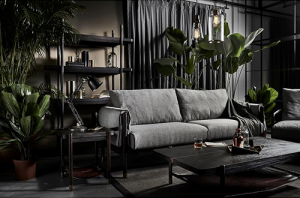
Nothing beats sinking into a plush sofa. Upholstered pieces use fabrics, leather, or synthetics to wrap cushions and frames.
Fabric Options
- Cotton: Soft and breathable, perfect for family rooms. Stains easily, though.
- Linen: Crisp and natural, but wrinkles fast.
- Polyester: Tough and fade-resistant—ideal for busy homes.
- Leather: Luxe and ages well. Clean it often to avoid cracks.
Leather sofas feel premium, but they need shade from direct sun. I've got a leather armchair that's 10 years old and still looks sharp, thanks to weekly wipes.
For beds, upholstered headboards add drama. Choose performance fabrics that repel spills. Always test for pet hair—nothing ruins a nap like lint everywhere.
Plastics and Composites: Budget-Friendly Basics
Don't knock plastics. They're lightweight, colorful, and shatterproof. Acrylic chairs let light through, making small rooms feel bigger.
Composites like MDF (medium-density fiberboard) mimic wood at a fraction of the cost. They're stable in humid spots, like bathrooms. But they hate water—seal edges well.
My kid's plastic table has survived crayon wars and juice floods. For adults, molded plastic stools stack neatly in storage. Just ensure UV protection for outdoor use.
Mixing Materials for the Win
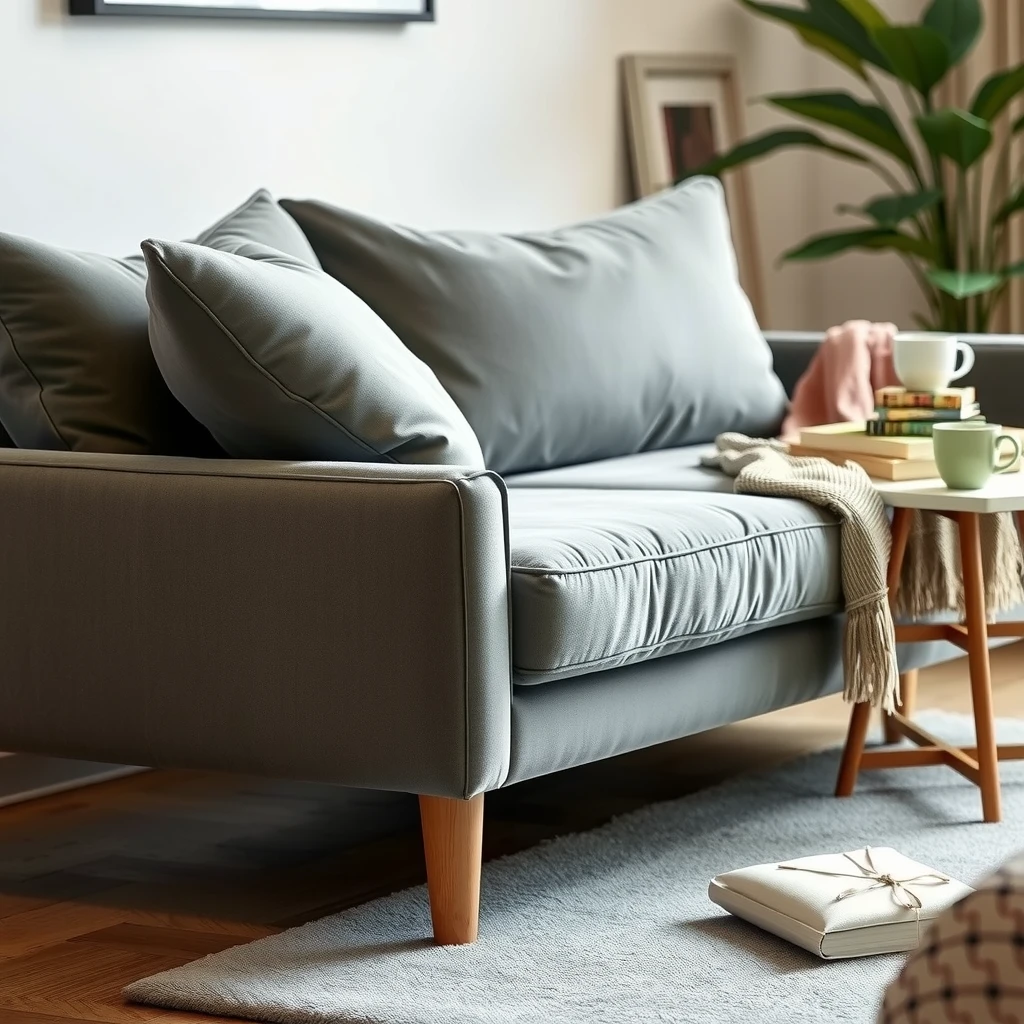
The best furniture blends elements. A wood-top metal table? Timeless. Leather on a wood frame bed? Cozy luxury.
Consider your lifestyle. Active families need wipeable surfaces. Book lovers want sturdy shelves. In my apartment, a glass-top desk with metal legs keeps dust at bay while feeling airy.
Pro tip: Match finishes. Brass hardware on wood warms up steel. Test textures together in-store—your eyes and hands will thank you.
Spotting Quality: What to Look For
Quality hides in details. Feel the weight—light often means cheap fillers. Inspect joints; dovetails beat staples.
For upholstery, tug seams. No loose threads. On wood, sniff for chemicals—natural smells better.
Ask about warranties. A five-year guarantee on a bed frame shows confidence. Read reviews, but touch in person. Online pics lie.
The Ultimate Guide to Furniture Maintenance
Owning great pieces means caring for them. Follow these furniture care tips for long-lasting quality:
- Dust Weekly: Use microfiber cloths—no polish buildup.
- Vacuum Upholstery: Attachments catch crumbs before they grind in.
- Wood Wipes: Damp cloth with mild soap; dry right away.
- Leather Love: Condition twice yearly with natural oils.
- Sun Block: Rotate pieces to even fade.
I've skipped maintenance on a wood dresser once—varnish peeled. Now, it's routine. For beds, flip mattresses quarterly.
Humidity matters too. Keep rooms 40-60% to prevent wood cracks or metal rust. Humidifiers help in dry winters.
Eco-Friendly Picks
Green materials grow popular. Bamboo rivals oak in strength but regrows fast. Recycled metals cut waste.
Look for FSC-certified wood—sustainable sourcing. Organic cotton upholstery skips harsh dyes. My bamboo shelf? Eco-win and super light.
Brands like IKEA offer affordable eco-lines. Check labels for low-VOC finishes—no off-gassing headaches.
Budget vs. Splurge: Smart Spending
You don't need heirlooms for every spot. Splurge on daily-use furniture like beds and sofas. Save on guest chairs.
Modular pieces let you upgrade over time. Start with a solid frame, add cushions later.
In my budget redo, I mixed thrift wood with new metal accents. Total cost: under $500, looks custom.
Wrapping It Up
Understanding furniture materials empowers your buys. From resilient woods to comfy fabrics, each choice shapes your space. Apply these tips, care diligently, and enjoy pieces that last. Your home deserves furniture that feels like you. (28 words)
Word count: ~1520