

Featured Post
Choosing the Right Size Armoire for Your Space
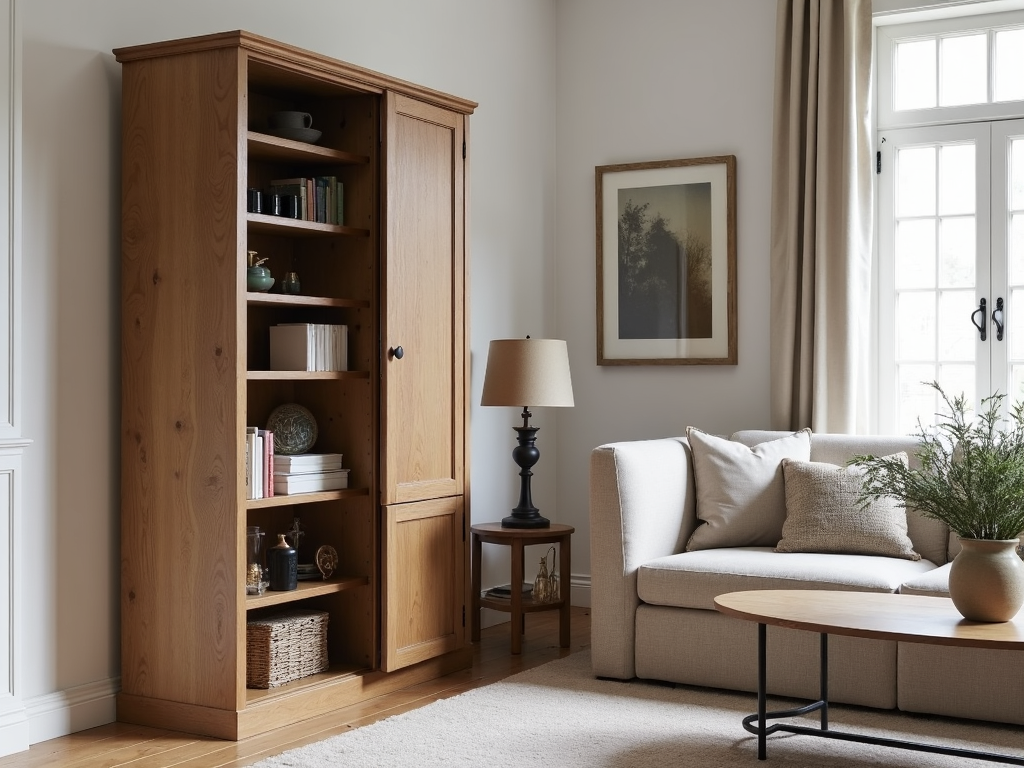
An armoire is more than just a piece of furniture—it’s a stylish solution for storage that can transform any room. Whether you need a wardrobe, a TV cabinet, or extra space for linens, choosing the right size armoire for your space is key. A poorly sized armoire can clutter your room or fail to meet your needs. In this guide, we’ll walk you through everything you need to know to pick the perfect fit.
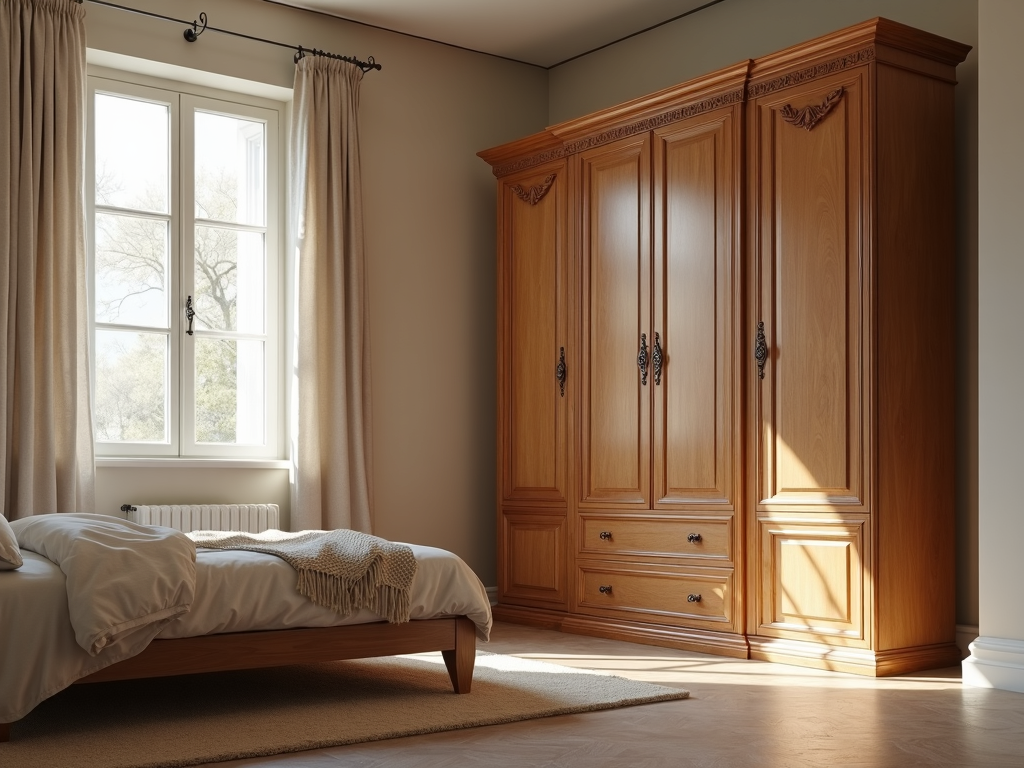
Measuring Your Space
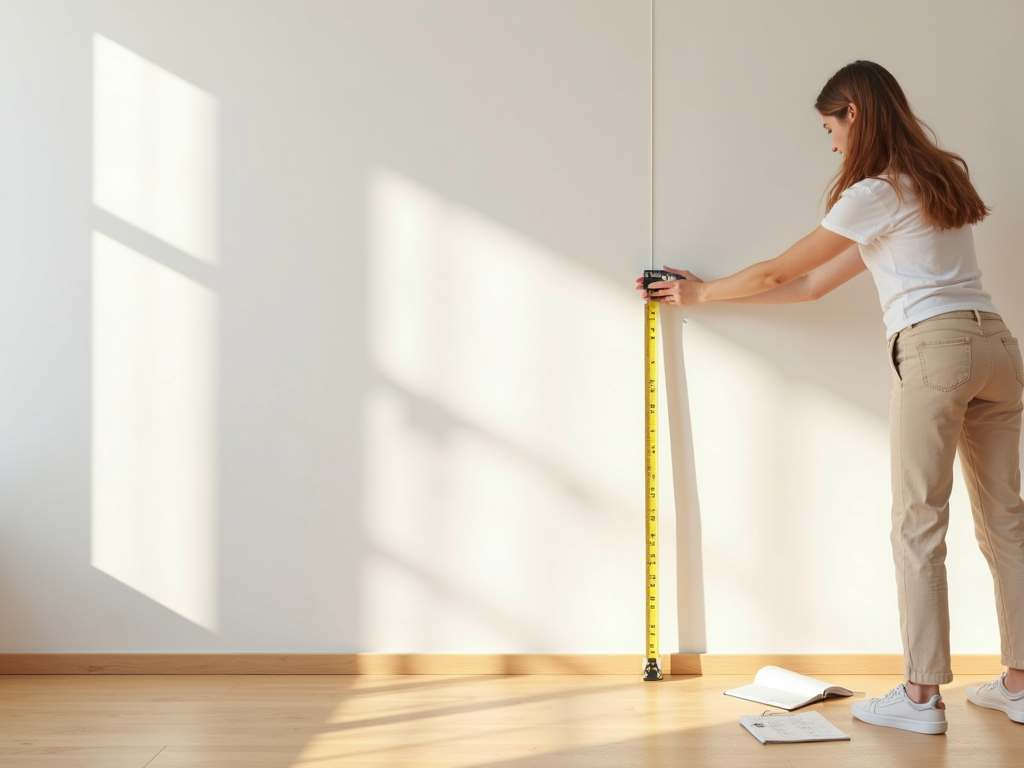
Start by measuring where your armoire will go. Grab a tape measure and follow these steps:
- Width: Measure the wall space from side to side. Include any baseboards—they can shrink your usable area by an inch or two.
- Height: Check from floor to ceiling. Armoires can be tall (up to 84 inches), so watch for low ceilings or hanging lights.
- Depth: Measure out from the wall. Most armoires are about 24 inches deep, but some are more.
- Clearance: Leave room to open doors (at least 36 inches) or pull out drawers without bumping into anything.
For example, if your space is 60 inches wide but has baseboards, you might only have 58 inches to work with. Write it all down!
What Will You Use It For?
The armoire’s job affects its size. Here’s how:
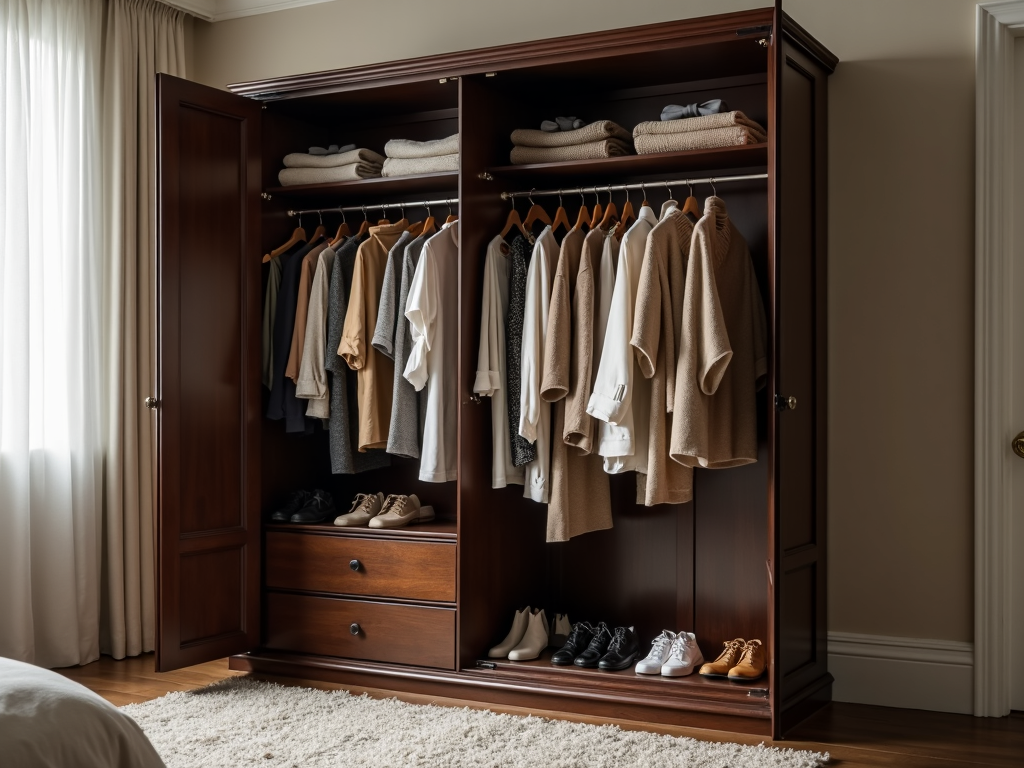
- Clothing Storage: Need hanging space for shirts or dresses? A rod typically holds 24-36 inches of clothes. Long coats mean taller space—think 72 inches or more. Add drawers if you’ve got sweaters or shoes.
- TV Cabinet: Measure your TV (with its stand) and any gadgets like a DVD player. A 40-60 inch wide armoire usually works.
- General Storage: For blankets or books, count your items. Shelves should match their size and hold the weight.
If it’s for two people’s clothes, go bigger. Think about what you own now and what you might add later.
Matching Style and Design
Your armoire should look good in the room. Size plays a big role here:
- Balance: A huge armoire in a tiny room feels cramped. A small one in a big space looks lost. The American Society of Interior Designers says matching furniture size to room size creates harmony. [Link to ASID guide on furniture scaling]
- Details: Mirrored doors or sleek handles should fit your style—modern, rustic, whatever.
- Color: Light finishes make big armoires feel less heavy. Dark ones help small armoires pop.
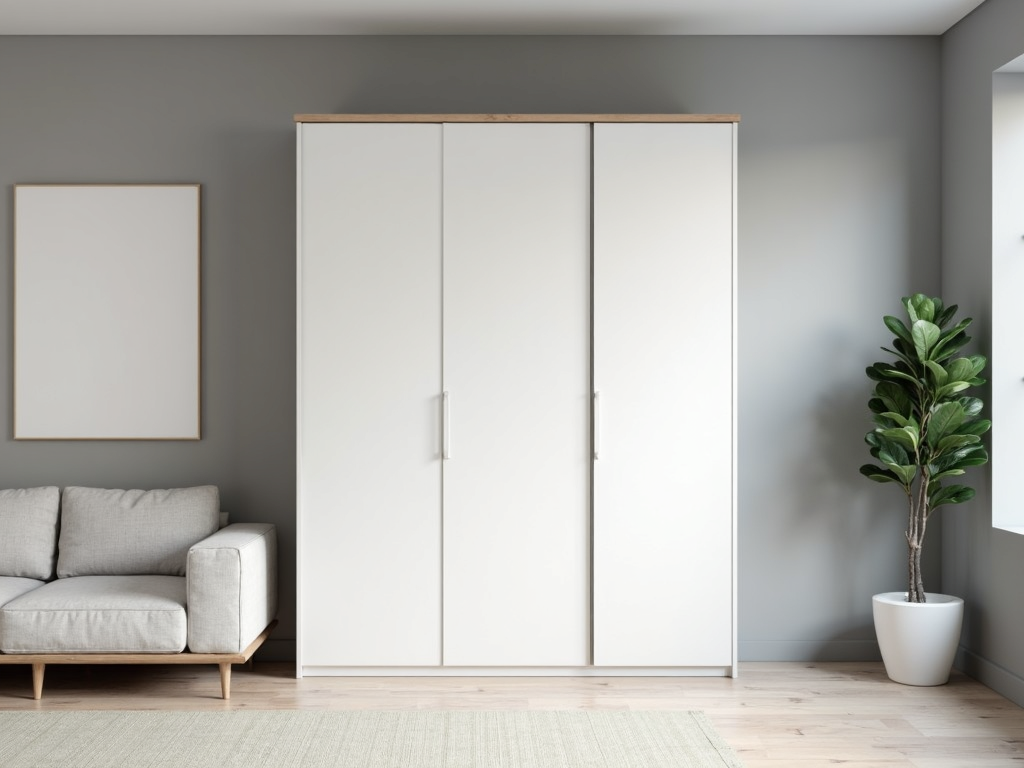
A minimalist armoire for modern interiors might be slim and simple, with clean lines.
Making It Easy to Use
You’ll want to open your armoire without a struggle:
- Doors: Swinging doors need space—at least 36 inches in front. Sliding doors save room.
- Drawers: Pull them out fully without hitting a bed or chair.
- Pathways: Keep walkways clear. A crowded room feels smaller.
Test the spot by imagining how you’ll use it daily. Can you grab a shirt without squeezing by?

Keeping Proportions in Check
The armoire shouldn’t dwarf or shrink next to other furniture:
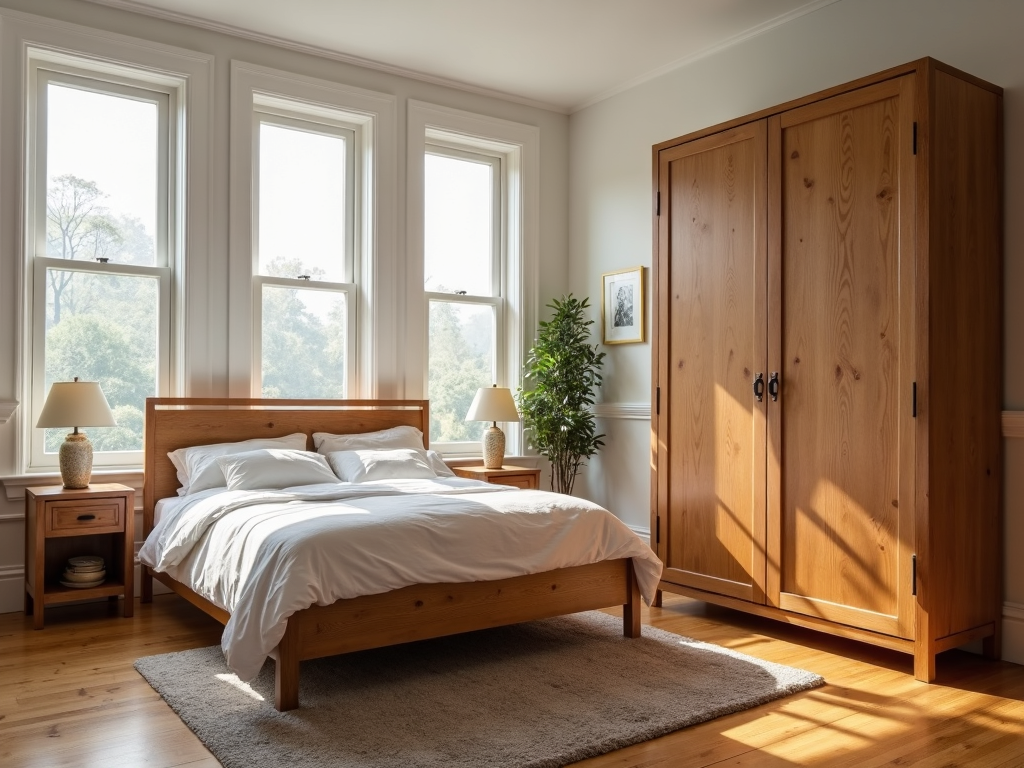
- Compare: Match it to your bed or dresser. A king bed pairs better with a 60-inch armoire than a 30-inch one.
- Symmetry: Place it to balance the room. A big piece on one side needs something substantial opposite.
A study from Cornell University found oversized furniture can trick your eye into thinking a room’s smaller. [Link to Cornell study on furniture size perception]
Types of Armoires and Sizes
Different armoires suit different needs. Here’s a quick guide:
| Type | Width | Height | Depth |
|---|---|---|---|
| Wardrobe | 36-72" | 72-84" | 20-24" |
| TV | 40-60" | 60-72" | 20-24" |
| Computer | 30-48" | 60-72" | 20-24" |
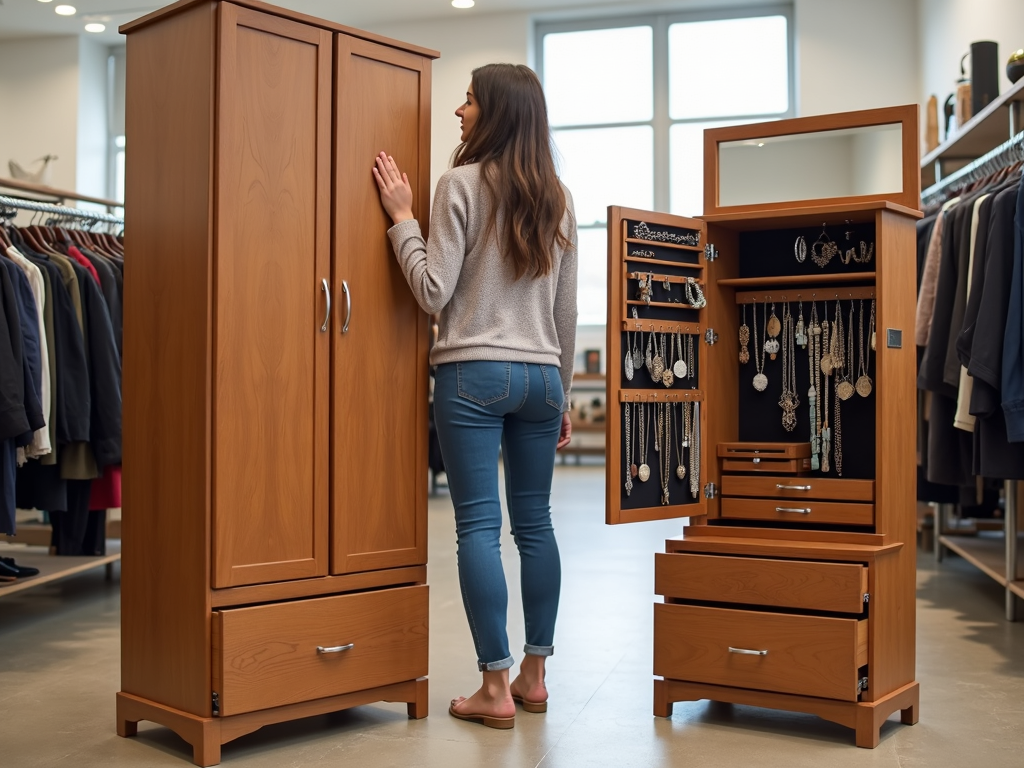
| Jewelry | 18-24" | 40-60" | 12-18" |
Pick based on your space and purpose. A wardrobe armoire might overwhelm a small room, but a jewelry one could be perfect.
Tips to Get It Right
Here are some extras to consider:
- Future Needs: Might you need more storage later? A slightly bigger armoire could save you trouble.
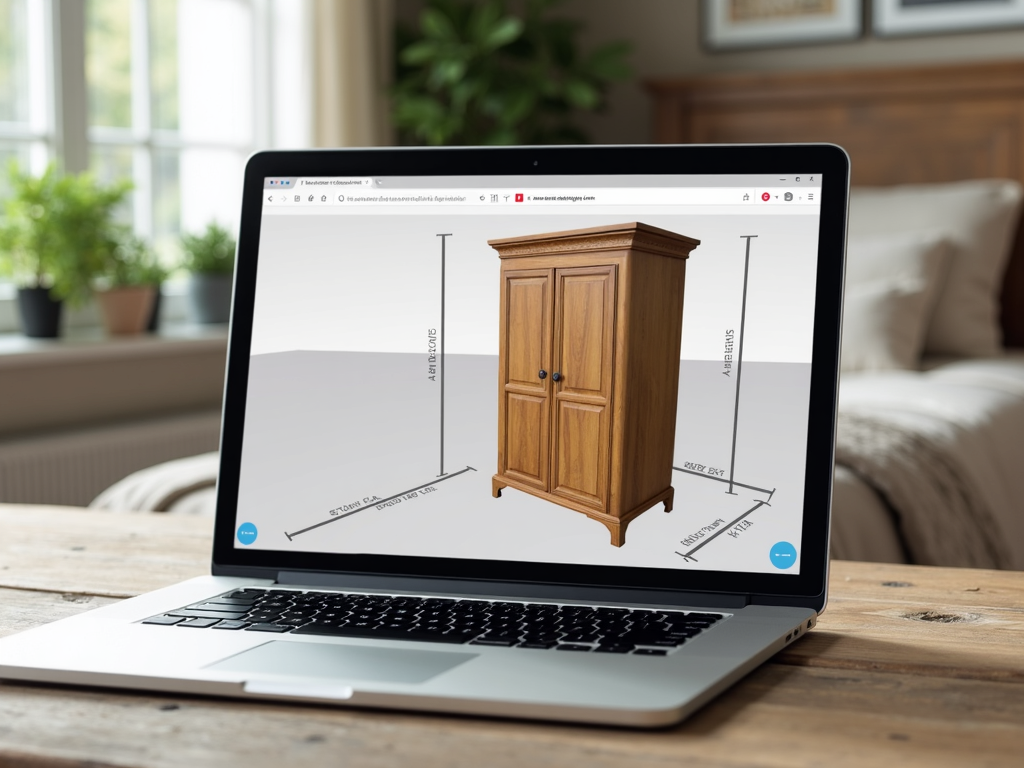
- Online Tools: Use a room planner from a furniture site to see it in 3D first.
- Weight Check: Big armoires are heavy. Older floors might need reinforcing.
I once saw a friend cram a giant armoire into a tiny apartment—it blocked the window! Plan ahead.
Mistakes to Avoid
Don’t trip over these:
- Bad Measurements: Miss the baseboards, and it won’t fit.
- Style Clash: A rustic armoire in a sleek room looks off.
- No Function: Pretty but useless? Pass.
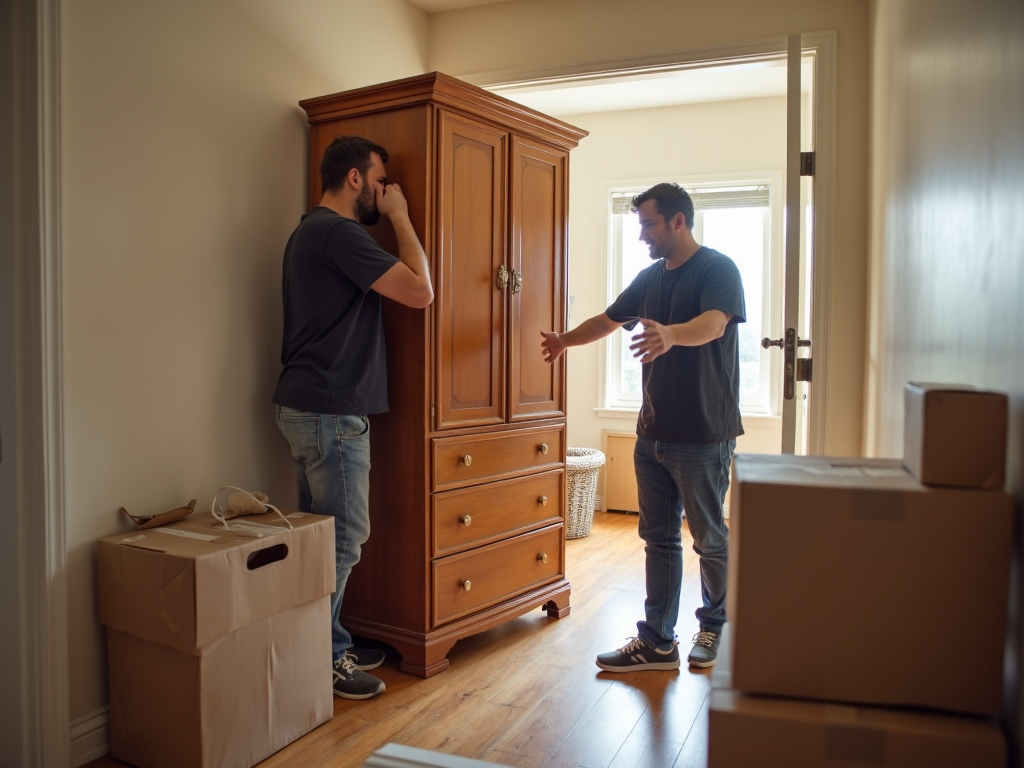
- Delivery Woes: Measure doors and stairs—don’t get stuck.
The National Furniture Association notes delivery issues are a top complaint. [Link to NFA article on furniture delivery tips]
Wrapping It Up
Choosing the right size armoire for your space takes a little work—measure carefully, think about its job, match the style, ensure access, and keep it balanced. Avoid rushed picks or sloppy planning. With these steps, your armoire will fit like it was made for your room, adding storage and charm.