





Featured Post
Simple Tips to Keep Your Home’s Humidity in Check
Maintaining the right humidity level in your home is crucial for both your health and the longevity of your belongings. Excess moisture can lead to mold growth, damage to wooden furniture, and even respiratory issues. In this comprehensive guide, we'll explore practical ways to keep your home's humidity in check, ensuring a comfortable and healthy living environment.
Why Humidity Control Matters
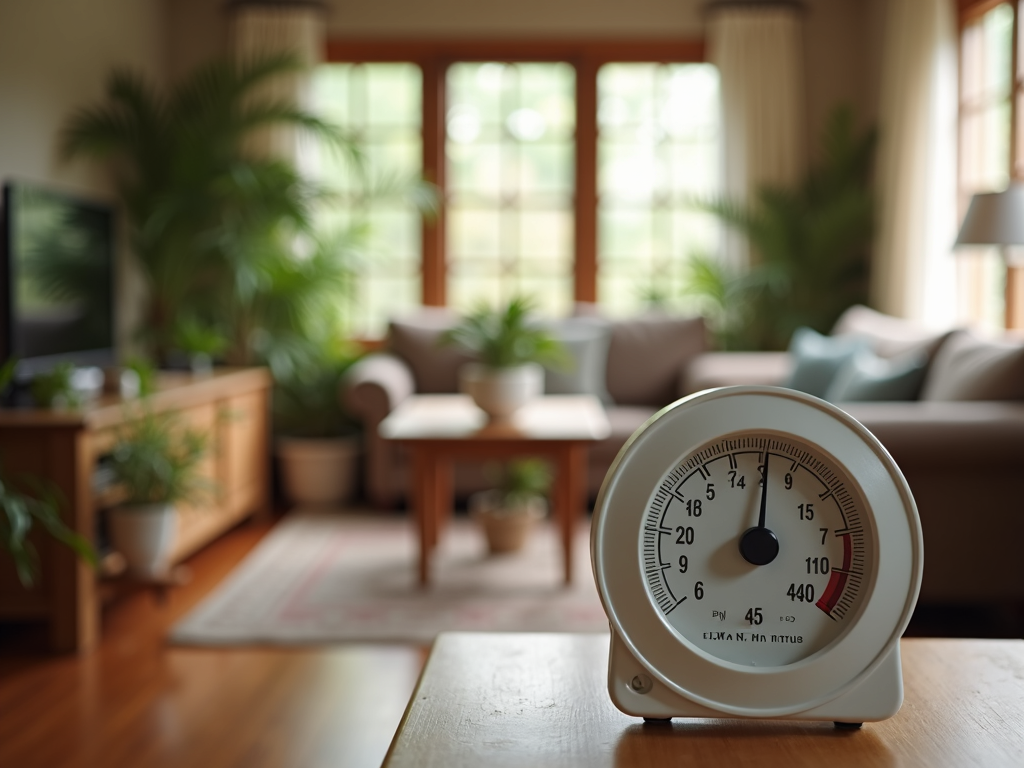
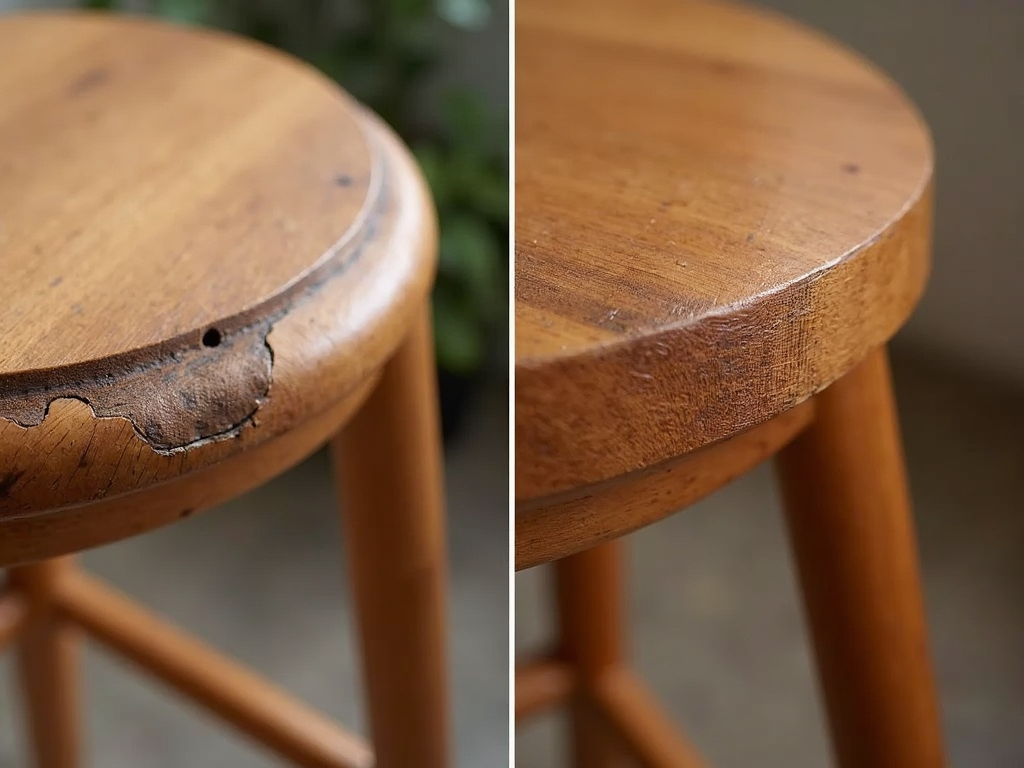
Humidity levels above 60% can create an environment where mold and mildew thrive. This not only affects the air quality but can also damage your home's structure and furnishings. Wooden furniture, including your favorite bar stool, is particularly susceptible to warping and cracking in high humidity. On the other hand, humidity levels below 30% can cause dry skin, respiratory irritation, and static electricity. The sweet spot for indoor humidity is between 40-50%.
Signs of High Humidity in Your Home
Before diving into solutions, it's important to recognize the signs of excessive moisture:
- Condensation on windows
- Musty odors
- Peeling wallpaper or paint
- Warped wooden floors or furniture
- Visible mold growth
If you've noticed any of these, it's time to take action.
Effective Ways to Reduce Humidity in Your Home
Here are some simple yet effective methods to lower humidity levels:
-
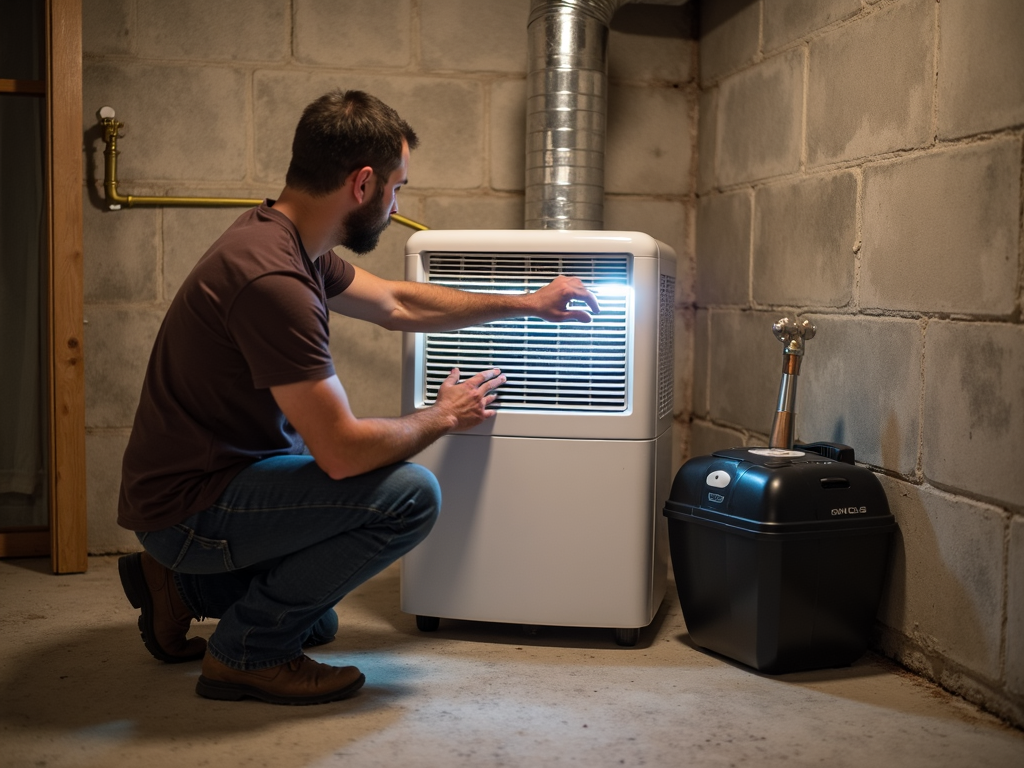
Use a Dehumidifier: This is one of the most straightforward ways to remove excess moisture from the air. Place dehumidifiers in problem areas like basements or bathrooms.
-
Improve Ventilation: Ensure your home has proper airflow. Use exhaust fans in kitchens and bathrooms, and consider opening windows when weather permits.
-
Fix Leaks Promptly: Water leaks from pipes, roofs, or appliances can significantly increase indoor humidity. Address these issues as soon as they arise.
-
Use Moisture-Absorbing Materials: Products like silica gel or calcium chloride can help absorb excess moisture in small spaces like closets or cabinets.
-
Optimize Your HVAC System: Regular maintenance of your heating and cooling system can help control humidity. Consider installing a whole-house dehumidifier if you live in a particularly humid climate.
Top 10 Ways to Protect Wooden Furniture
Wooden furniture, especially items like bar stools that may be exposed to spills or varying temperatures, requires special care in humid environments. Here are ten tips to keep your wooden pieces in top shape:
-
Maintain Consistent Temperature: Sudden temperature changes can cause wood to expand and contract, leading to damage.
-
Use Coasters and Placemats: Protect surfaces from moisture and heat.
-
Clean Spills Immediately: Don't let liquids sit on wood surfaces.
-
Apply Protective Finishes: Use varnishes or sealants to create a moisture barrier.
-
Avoid Direct Sunlight: UV rays can fade and dry out wood.
-
Use Furniture Pads: Prevent scratches and allow air circulation underneath.
-
Regular Dusting: Use a soft, dry cloth to remove dust without scratching.
-
Control Humidity: Keep indoor humidity between 40-50%.
-
Periodic Polishing: Use appropriate wood polishes to maintain the finish.
-
Inspect Regularly: Check for signs of damage or wear and address promptly.
Furniture Care and Maintenance Tips
Beyond humidity control, regular maintenance is key to preserving your furniture. For wooden pieces:
- Dust weekly with a microfiber cloth
- Clean with a mild soap solution monthly
- Apply wood conditioner every 6-12 months
- Tighten any loose screws or joints annually
For upholstered items, vacuum regularly and treat stains immediately. These habits will extend the life of your furniture and keep it looking its best.
Seasonal Considerations
Humidity levels fluctuate with the seasons. In summer, when humidity is typically higher, you may need to run dehumidifiers more frequently. In winter, heating systems can dry out the air, so you might need to use humidifiers instead. Monitor your home's humidity year-round and adjust your strategies accordingly.

DIY vs. Professional Solutions
While many humidity control methods can be implemented by homeowners, some situations call for professional help. If you have persistent mold issues, extensive water damage, or need to install a whole-house dehumidification system, it's best to consult with experts. They can provide tailored solutions and ensure the work is done correctly.
Conclusion
Keeping your home's humidity in check is an ongoing process, but it's well worth the effort. By implementing these simple tips, you can create a healthier living environment, protect your wooden furniture (including that stylish bar stool), and prevent costly damage to your home. Remember, consistency is key—regular monitoring and maintenance will help you stay ahead of humidity-related issues.