


Featured Post
Choosing the Best Dining Table for Your Space
Choosing the right dining table for your space can transform your home, making it more functional and inviting. Whether you're hosting dinner parties or enjoying family meals, the perfect dining set can enhance your dining experience. In this article, we'll explore how to select the best dining table for your space, considering factors like size, style, and functionality. We'll also discuss dining set arrangements for entertaining and how to make the most of your furniture.
Before you start shopping for a dining table, it's crucial to measure your dining area. This will help you determine the appropriate size for your table and ensure it fits comfortably in the room. Consider the shape of your space as well; a rectangular table might work better in a long, narrow room, while a round table could be ideal for a square space.
Dining tables come in a variety of materials, each with its own advantages and disadvantages. Wood is a classic choice, offering durability and a timeless look. However, it can be prone to scratches and may require regular maintenance. Glass tables can make a space feel more open and modern, but they can be fragile and show fingerprints easily. Metal tables are sturdy and low-maintenance, but they might not suit every decor style.
Your dining table should reflect your lifestyle and how you use your dining space. If you frequently host large gatherings, a table with extension leaves can provide flexibility. For smaller spaces or casual dining, a drop-leaf table or a bar-height table might be more suitable. Think about how often you entertain and the number of people you typically host.
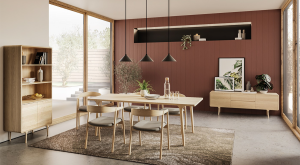
When arranging your dining set for entertaining, consider the flow of the room and how guests will move around the table. Leave enough space between the table and walls or other furniture for comfortable seating and movement. You can also add a buffet or sideboard to provide extra serving space and storage for dinnerware.
| Shape | Benefits |
|---|---|
| Rectangular | Fits well in long, narrow spaces; can accommodate more people |
| Round | Encourages conversation; works well in square spaces |
| Square | Ideal for small spaces; creates an intimate dining experience |
| Oval | Combines the benefits of rectangular and round tables; softens the look of a room |
Your dining chairs should not only match your table in style but also provide comfort and support. Consider the height of the chairs in relation to the table; there should be enough space for guests to sit comfortably without feeling cramped. You can also mix and match chair styles for a more eclectic look, but make sure they coordinate with the overall decor.
Benches or banquettes can be a great alternative to traditional dining chairs, especially in smaller spaces or for a more casual look. They can also provide additional storage if you choose a style with built-in compartments.
Dining tables come in a wide range of styles, from traditional to modern, rustic to industrial. When choosing a style, consider the overall decor of your home and the look you want to achieve in your dining space. A table with clean lines and a minimalist design can complement a modern interior, while a table with ornate details and a rich finish can enhance a traditional setting.
Some dining tables come with built-in features like extension leaves, storage compartments, or adjustable heights. These can add functionality and versatility to your dining space. For example, a table with extension leaves can accommodate larger gatherings, while a table with storage can help keep your dining area organized.
If you have a specific vision for your dining table or need a unique size or shape, consider having one custom-made. This can be more expensive than buying a pre-made table, but it allows you to create a piece that perfectly fits your space and style.
To keep your dining table looking its best, it's important to follow proper maintenance and care guidelines. For wood tables, use coasters and placemats to protect the surface from scratches and spills. Clean up spills immediately to prevent staining. For glass tables, use a glass cleaner and a soft cloth to avoid streaks. Metal tables can be wiped down with a damp cloth and mild soap.
- Wood: Use coasters and placemats; clean with a damp cloth and mild soap; avoid direct sunlight to prevent fading.
- Glass: Use a glass cleaner and a soft cloth; avoid abrasive cleaners that can scratch the surface.
- Metal: Wipe down with a damp cloth and mild soap; dry immediately to prevent water spots.
Dining tables can range in price from a few hundred dollars to several thousand, depending on the materials, size, and brand. Set a budget before you start shopping and look for tables that fit within your price range. Remember that a higher price doesn't always mean better quality; do your research and read reviews to find a table that offers good value for your money.
If you're on a tight budget or looking for a unique piece, consider shopping for second-hand or vintage dining tables. You can find them at thrift stores, antique shops, or online marketplaces. Just be sure to inspect the table carefully for any damage or wear and tear.
While it's important to choose a dining table that fits your personal style, you can also incorporate current trends to keep your space looking fresh and modern. Some popular trends include mixed materials (like wood and metal), bold colors, and unique shapes. However, be cautious about following trends too closely, as they can quickly become outdated.
When choosing a dining table, consider how many people you want to seat comfortably. A general rule of thumb is to allow 24 inches of table space per person. For example, a table that is 72 inches long can comfortably seat six people. However, if you frequently host larger gatherings, you might want to opt for a larger table or one with extension leaves.
| Number of People | Recommended Table Size |
|---|---|
| 2-4 | 36-48 inches |
| 4-6 | 60-72 inches |
| 6-8 | 78-96 inches |
| 8-10 | 102-120 inches |
The shape of your dining table can influence the dining experience. Round tables encourage conversation and create a more intimate atmosphere, while rectangular tables can accommodate more people and are better for formal dining. Square tables work well in small spaces and can create a cozy feel, while oval tables offer a softer look and can be a good compromise between rectangular and round.
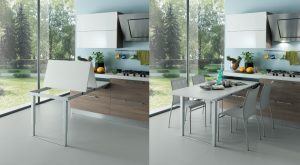
Extendable dining tables are a great option if you need flexibility in your dining space. They can be adjusted to accommodate different numbers of people, making them ideal for both everyday use and entertaining. Look for tables with easy-to-use extension mechanisms and sturdy construction.
Standard dining tables are typically 28-30 inches high, while counter-height tables are 34-36 inches high, and bar-height tables are 40-42 inches high. Make sure to choose chairs that are the appropriate height for your table; dining chairs should be 18-20 inches high, counter stools 24-26 inches, and bar stools 28-30 inches.
- Dining table: 28-30 inches
- Dining chair: 18-20 inches
- Counter-height table: 34-36 inches
- Counter stool: 24-26 inches
- Bar-height table: 40-42 inches
- Bar stool: 28-30 inches
Dining tables come in a variety of finishes, from natural wood to painted or stained options. When choosing a finish, consider the color scheme of your dining space and the overall style you want to achieve. A light finish can make a room feel more open and airy, while a dark finish can add drama and sophistication.
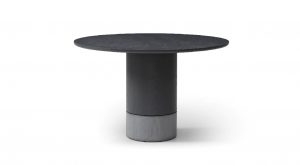
The base of your dining table can impact how many people you can seat comfortably. A pedestal base allows for more flexibility in seating arrangements, as there are no legs to get in the way. A trestle base can provide stability and a traditional look, while four legs offer a classic design but may limit seating options.
If you want to make a statement with your dining table, consider one with a unique or decorative base. This can add visual interest and become a focal point in your dining space. However, make sure the base doesn't compromise the table's stability or functionality.
Accessories like tablecloths, placemats, and centerpieces can add style and personality to your dining table. Choose accessories that complement your table's style and the overall decor of your dining space. You can also use accessories to protect your table's surface and make cleanup easier.
- Tablecloths or runners
- Placemats
- Napkins and napkin rings
- Centerpieces (e.g., vases, candles, or decorative bowls)
- Chargers or serving platters
If you plan to move your dining table frequently, consider its weight and ease of mobility. Heavier tables may be more stable but harder to move, while lighter tables can be easier to rearrange but may not feel as sturdy. Look for tables with smooth-gliding casters or wheels if you need to move them often.
Dining tables with built-in lazy Susans or turntables can make serving and sharing food easier, especially for larger gatherings. They can also add a fun and interactive element to your dining experience.
Proper lighting can create a warm and inviting atmosphere in your dining space. Consider installing a chandelier or pendant light above your dining table to provide ample illumination and add a decorative touch. You can also use table lamps or candles to create a more intimate ambiance.
If you have young children or pets, or if you frequently entertain, you'll want a dining table that can withstand daily wear and tear. Look for tables made from durable materials like solid wood or metal, and consider finishes that are resistant to scratches and stains.
Some dining tables come with protective coatings or finishes that can help prevent damage from spills, scratches, and heat. These can be especially useful if you have a busy household or frequently host dinner parties.
If you have a small dining space, there are several trends and design ideas that can help you make the most of your area. For example, you can choose a table with a slim profile or one that can be folded or extended as needed. You can also use mirrors or light colors to make the space feel larger.
- Opt for a round or square table to maximize seating in a compact area.
- Choose a table with a pedestal base to allow for more legroom.
- Consider a drop-leaf or extendable table for added flexibility.
- Use benches or stools that can be tucked under the table when not in use.
- Select a table with a light finish or glass top to create a sense of openness.
Some dining tables require assembly, while others come fully assembled. If you're not handy or don't have the time to put together a table, look for one that is pre-assembled or offers professional assembly services. Also, consider the table's weight and size when planning for delivery and installation.
Modular or customizable dining tables allow you to tailor the table to your specific needs and preferences. You can choose the size, shape, material, and finish to create a table that perfectly fits your space and style.
If you're environmentally conscious, consider choosing a dining table made from sustainable materials like reclaimed wood or bamboo. You can also look for tables that are certified by organizations like the Forest Stewardship Council (FSC) or have low VOC (volatile organic compound) finishes.
Before purchasing a dining table, check the manufacturer's warranty and return policy. A good warranty can provide peace of mind and protect your investment, while a flexible return policy can allow you to exchange or return the table if it doesn't meet your expectations.
Choosing a dining table from a reputable brand or retailer can ensure that you're getting a high-quality product with good customer service. Look for brands with positive reviews and a history of satisfied customers.
In summary, choosing the best dining table for your space involves considering factors like size, shape, material, style, and functionality. By measuring your space, considering your lifestyle, and exploring different options, you can find a table that not only fits your needs but also enhances your dining experience.
For further reading, here are some recommended articles: 1. "10 Tips for Arranging Your Dining Set for Entertaining" - Learn how to create a welcoming and functional dining space for your guests. 2. "The Ultimate Guide to Dining Table Materials" - Discover the pros and cons of different dining table materials and how to choose the right one for your home. 3. "How to Care for Your Dining Table" - Get expert advice on maintaining and protecting your dining table to keep it looking its best.
Remember, the perfect dining table is one that not only looks great but also meets your practical needs and reflects your personal style. Happy dining!