





Featured Post
Choosing the Right Furniture for Your Home
Before you begin shopping for furniture, it’s important to assess your lifestyle and the specific needs of your household. Do you frequently host guests? Do you have children or pets? These factors will influence your choices. For example, if you have young children, you might prioritize durable, easy-to-clean materials like leather or microfiber.
Next, accurately measure your space. There’s nothing more frustrating than purchasing a piece of furniture only to find it doesn’t fit. Measure doorways, hallways, and the room itself to ensure your new furniture can be delivered and placed where you want it. The National Kitchen and Bath Association (NKBA) provides a helpful guide on how to measure a room for furniture, which can be a valuable resource.
Consider the room’s purpose and traffic flow. In a living room, arrange furniture to encourage conversation and allow easy movement. In a bedroom, the bed should be the focal point, so position it accordingly.
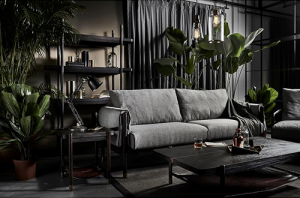
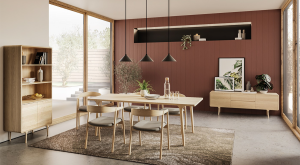
Furniture styles range from sleek and modern to cozy and traditional. Explore different options to find what resonates with you. Consider how the style complements your home’s architecture. For instance, a Victorian home might look best with classic, ornate pieces, while a modern loft could benefit from clean lines and minimalist designs.
Think about longevity and timelessness. Trendy pieces can be fun, but they may not stand the test of time. Opt for classic styles that you can update with accessories as trends evolve. A well-chosen piece of furniture can last for years, becoming a staple in your home.
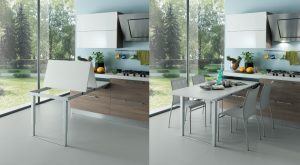
In today’s homes, space is often limited, making storage a top priority. Look for multi-functional pieces that serve more than one purpose. An ottoman with hidden storage can provide seating and a place to stash blankets or toys. A coffee table with drawers can keep remote controls and magazines out of sight.
Utilize vertical space with tall bookshelves or cabinets, especially in small rooms where floor space is precious. Built-in furniture is another great option for small spaces, as it can be customized to fit your exact needs. For example, a built-in window seat with storage underneath can create a cozy reading nook while keeping clutter at bay.
The materials used in furniture construction greatly affect both durability and maintenance. Solid wood is sturdy and long-lasting but can be expensive. MDF (medium-density fiberboard) is a more affordable option, though it may not hold up as well over time. When choosing materials, consider your lifestyle. If you have pets, for example, you might want to avoid delicate fabrics that can snag easily.
Think about upkeep, too. Leather’s tough but needs conditioning, while fabric feels homey but stains quick. I’ve also started looking at eco-friendly options like bamboo or reclaimed wood. The Forest Stewardship Council (FSC) certifies sustainable wood products, ensuring they come from responsibly managed forests.
Putting furniture together can feel overwhelming, but with a little preparation, it can be straightforward. Start by reading the instructions carefully and organizing all parts and tools before you begin. Take your time and double-check each step to ensure everything is assembled correctly.
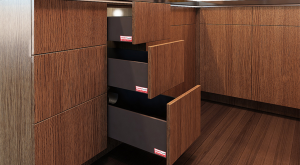
If you’re assembling a dresser, pay special attention to the drawer slides. Make sure they are installed level and aligned properly for smooth operation. If you’re unsure, many manufacturers provide video tutorials online that can guide you through the process.
Set a realistic budget before you start shopping. Furniture can be a significant investment, so it’s important to know how much you’re willing to spend. Research and compare prices from different retailers to get the best deal. Look for sales and discounts, especially during holiday weekends or end-of-season clearances.
Don’t overlook second-hand or vintage options. You can often find high-quality pieces at a fraction of the cost. Just be sure to inspect them carefully for any damage or wear. Websites like Craigslist or local thrift stores can be great resources for budget-friendly finds.
Choosing the right furniture for your home is a process that requires careful consideration. By understanding your needs, space, and style preferences, you can create a home that is both functional and beautiful. Remember to prioritize quality, storage, and budget to make the most of your investment.