








Featured Post
Essential Recliner Furniture Maintenance Tips: Keep Your Comfort Throne in Top Shape
Quick Overview
Your recliner is more than just furniture—it's your daily escape. With these recliner furniture maintenance tips, you can keep it soft, sturdy, and stylish for years. Simple steps prevent wear and save you money on replacements.

Why Bother with Recliner Maintenance?
I remember buying my first recliner—a big, comfy beast that swallowed me whole after long workdays. But after a few months, dust bunnies gathered under the cushions, and the fabric started looking dull. That's when I learned the hard way: skip maintenance, and your recliner ages fast. Regular care keeps it looking new and working smooth.
Think about it. Recliners get heavy use. You sink in, kick back, maybe spill a snack or two. Without upkeep, dirt builds up, mechanisms creak, and fabrics fade. But with easy habits, you extend its life by years. It's like giving your favorite friend a little TLC.
Daily Habits for Lasting Comfort
Start small to see big results. These quick recliner furniture maintenance tips fit into your routine without effort.
-
Fluff and Rotate Cushions: Every evening, give cushions a gentle punch to reshape them. Rotate them weekly—front to back, side to side. This evens out wear and keeps your recliner plump.
-
Spot Dust Immediately: Use a soft brush or vacuum with an upholstery attachment daily. Focus on crevices where crumbs hide. I do this while watching TV; it takes two minutes.
-
Limit Foot Traffic: Place your recliner away from high-traffic spots. Add a rug underneath to catch dirt before it reaches the fabric.
These steps alone cut down on deep cleans by half. Trust me—my recliner still feels brand new after five years.
Mastering Upholstery Cleaning
Upholstery is the heart of your recliner. Treat it right, and it stays inviting. Wrong moves, and you invite stains that stick around.
First, know your material. Fabric? Leather? Each needs a different touch. Always test cleaners on a hidden spot first.
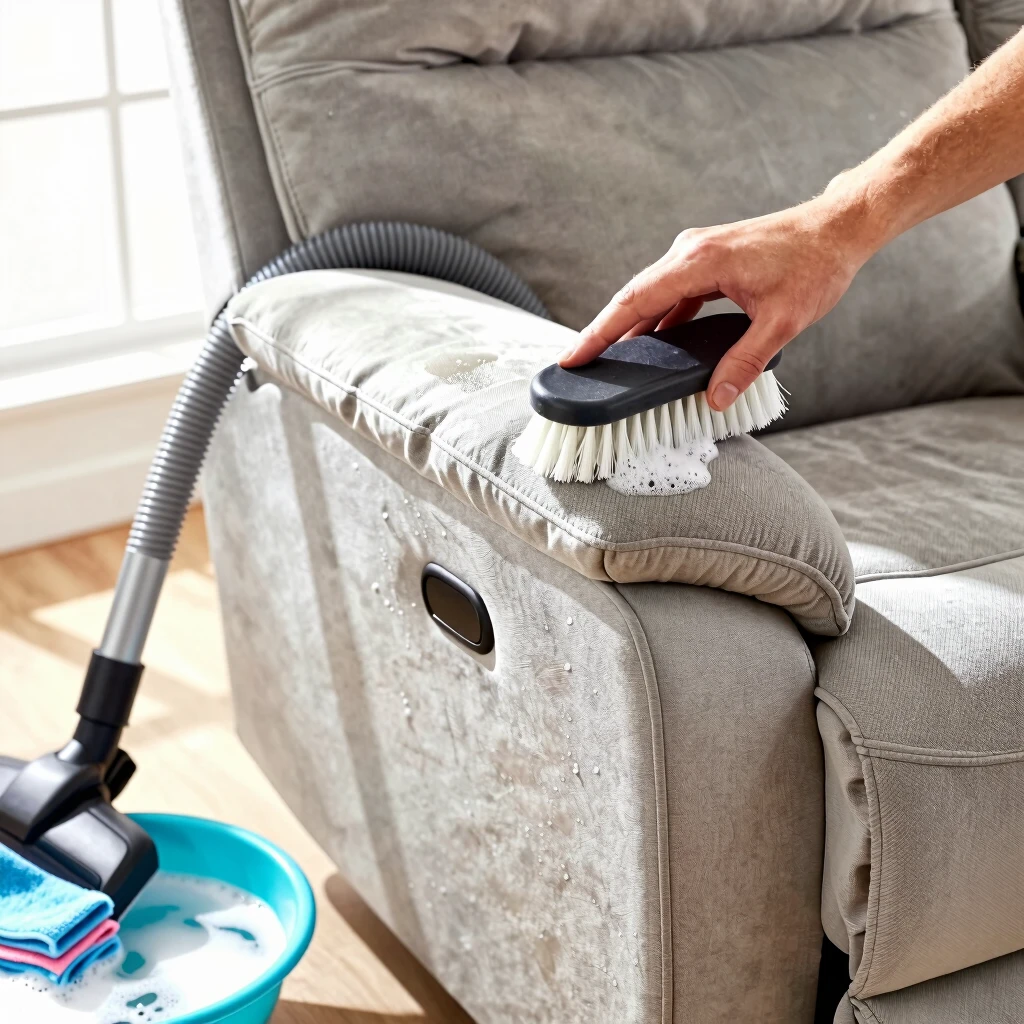
For fabric recliners: 1. Vacuum weekly to remove loose dirt. 2. Mix mild soap with warm water for spot cleaning. Dab, don't rub. 3. Let it air dry fully before sitting.
Leather calls for conditioner every three months. Wipe with a damp cloth, then apply a leather-safe product. It keeps the hide supple and crack-free.
Pro tip from my trial-and-error days: Skip harsh chemicals. They strip natural oils and dry out the material. Instead, reach for baby shampoo—gentle and effective.
Fabric vs. Leather: Tailored Care Strategies
Not all recliners are created equal. Fabric ones forgive spills but trap dust. Leather resists stains but hates dryness. Here's a quick comparison to guide you:
| Material | Best Daily Clean | Deep Clean Frequency | Common Pitfall |
|---|---|---|---|
| Fabric | Vacuum with soft brush | Every 3-6 months | Over-wetting, leading to mold |
| Leather | Damp cloth wipe | Every 1-2 months with conditioner | Using water-based cleaners that dry it out |
I switched to leather after ruining a fabric one with a red wine mishap. Lesson learned: Match care to your lifestyle. Families? Go fabric. Solo loungers? Leather shines.
For both, sunlight is the enemy. UV rays fade colors fast. Position your recliner out of direct beams or use sheer curtains. Small change, huge payoff.
Keeping Mechanisms Smooth and Silent
That satisfying 'click' when you recline? Don't let it turn into a groan. Recliner mechanisms need love too.
-
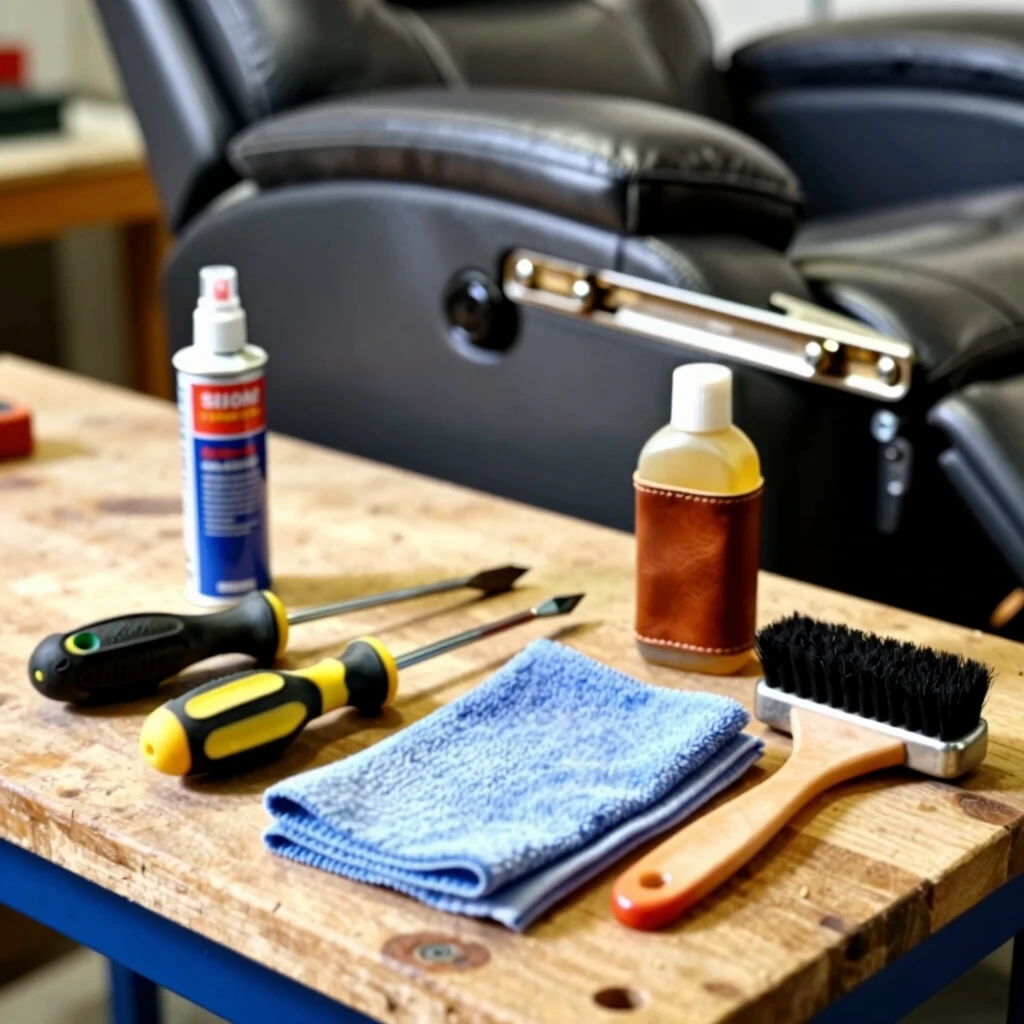
Lubricate Hinges: Every six months, apply a silicone-based spray to moving parts. Open and close the footrest a few times to spread it.
-
Tighten Loose Screws: Check bolts under the chair quarterly. A screwdriver fixes wobbles before they worsen.
-
Avoid Overloading: Stick to weight limits. Extra people jumping on it strains springs.
Once, my old recliner squeaked like a rusty gate. A quick lube job silenced it for good. Now, it glides like butter.
Tackling Common Wear and Tear
Even with care, issues pop up. Spot them early with these fixes:
-
Frayed Edges: Trim loose threads gently. Use fabric glue for reinforcement.
-
Sagging Seats: Add foam inserts under cushions for a quick lift.
-
Stuck Recline: Clear debris from tracks. If needed, call a pro—better safe than snapped.
For stubborn problems, consult resources like the Furniture Today maintenance guide or your manufacturer's manual. They're goldmines for model-specific advice.
Seasonal Storage and Protection
If you store your recliner—like for a move or seasonal swap—do it right to avoid musty returns.
Cover it with breathable fabric, not plastic, to prevent moisture traps. Store in a cool, dry spot. Before packing, clean thoroughly and let it dry.
In humid areas, silica packs absorb extra dampness. I once stored mine in a garage—big mistake. It came back with mildew spots. Now, I use a climate-controlled closet. Lesson: Protect your investment.
Personal Stories: What I've Learned the Hard Way
Over the years, I've owned three recliners. The first? Neglected, it fell apart in two years. The second got basic care and lasted five. Now, my third is going strong at seven, thanks to consistent recliner furniture maintenance tips.
One funny fail: I tried a 'miracle' cleaner from TV. It bleached my fabric! Stick to basics—soap, water, elbow grease. Share your stories in the comments; we're all in this cozy boat together.
Wrapping It Up
Recliner furniture maintenance tips boil down to consistency: daily dusts, regular cleans, and timely tweaks. Your recliner rewards you with endless comfort. Invest a little time now, and enjoy it for decades. What's your go-to tip? Drop it below!
(Word count: 1523)