







Featured Post
Fabric Care 101: Keeping Your Recliner Furniture Pristine
Overview
Your recliner is the heart of your living room, a cozy spot for relaxation and style. But keeping it looking fresh requires proper care. Fabric Care 101 is your guide to maintaining recliner furniture, choosing the right fabrics, and styling your space. This article shares practical tips to ensure your recliner stays beautiful and functional for years.
Why Fabric Care Matters for Recliners
Recliners are more than just furniture—they’re an investment in comfort and style. Whether you’re curling up with a book or hosting movie night, your recliner sees a lot of action. Spills, pet hair, and daily wear can take a toll, especially if the fabric isn’t properly maintained. Learning Fabric Care 101 helps you protect your recliner, extend its lifespan, and keep it looking as good as the day you bought it.
I learned this the hard way when my first recliner, a plush microfiber beauty, started showing stains from my toddler’s juice spills. A little knowledge about fabric care would’ve saved me a lot of scrubbing—and stress. Let’s dive into how to choose the right fabric and care for it properly.
Choosing the Best Fabrics for Recliners
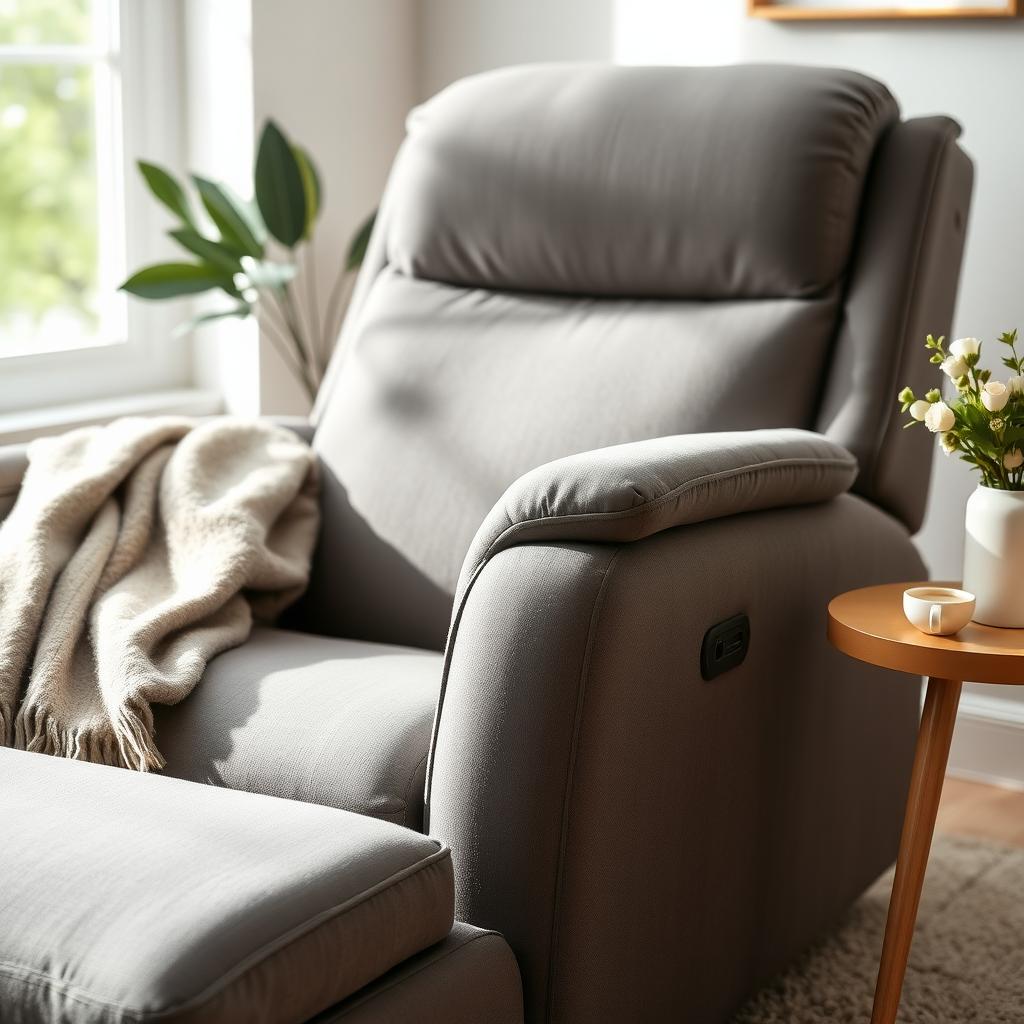
Not all fabrics are created equal, especially for recliners that endure heavy use. When selecting a recliner, the fabric choice impacts both durability and ease of maintenance. Here are some of the best fabrics for recliners based on durability, comfort, and cleaning ease:
- Microfiber: Soft, stain-resistant, and durable, microfiber is a top choice for families. It repels spills and is easy to clean with a damp cloth.
- Leather: Timeless and luxurious, leather is easy to wipe down but requires conditioning to prevent cracking.
- Polyester Blends: Affordable and resistant to fading, these are great for sunny rooms but may pill over time.
- Chenille: Cozy and soft, chenille is comfortable but prone to snagging, so it’s best for low-traffic homes.
When I chose my current recliner, I went with microfiber after researching its durability. It’s been a game-changer—no more panic over spilled snacks! For more tips on selecting the perfect recliner, check out our guide on How to Choose the Right Recliner for Your Home.
| Fabric Type | Durability | Ease of Cleaning | Best For |
|---|---|---|---|
| Microfiber | High | Easy | Families, pets |
| Leather | High | Moderate | Luxury, style |
| Polyester | Moderate | Easy | Budget, sunny rooms |
| Chenille | Moderate | Challenging | Low-traffic homes |
Recliner Furniture Maintenance and Cleaning Tips
Proper maintenance is the key to keeping your recliner in top shape. Here are actionable recliner furniture maintenance and cleaning tips to follow:
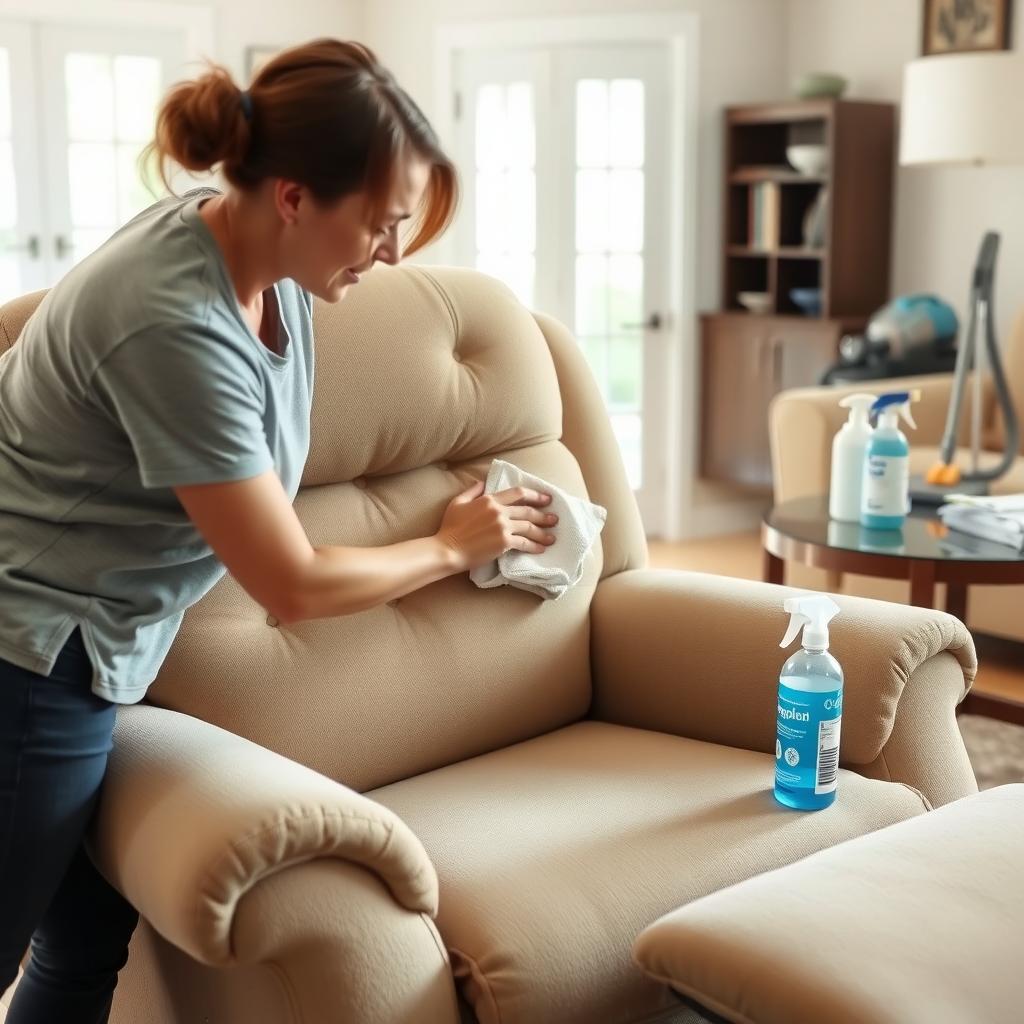
- Vacuum Regularly: Use a brush attachment to remove dust and pet hair. I vacuum my recliner weekly to prevent dirt from settling into the fabric.
- Spot Clean Spills Immediately: Blot (don’t rub!) spills with a clean, damp cloth. For microfiber, a mild soap solution works wonders.
- Use Fabric Protectors: Apply a fabric protector spray to repel stains. I used Scotchgard on my recliner, and it’s saved me from countless messes.
- Condition Leather: If you have a leather recliner, apply a leather conditioner every 6-12 months to keep it supple.
- Rotate Cushions: If your recliner has removable cushions, rotate them monthly to ensure even wear.
For tough stains, check the manufacturer’s care label. Most recliners have a code (like W for water-based cleaners or S for solvent-based). If you’re unsure, test any cleaner on a hidden spot first. The Upholstery Cleaning Council offers great resources for fabric-specific cleaning solutions.
How to Style Your Living Room with a Recliner
A recliner isn’t just functional—it can elevate your living room’s style. How to Style Your Living Room with a Recliner starts with making it a focal point without overwhelming the space. Here are some tips I’ve used to make my recliner blend seamlessly into my decor:
- Choose Complementary Colors: Pick a recliner color that matches or contrasts tastefully with your room’s palette. My gray recliner pops against my navy accent wall.
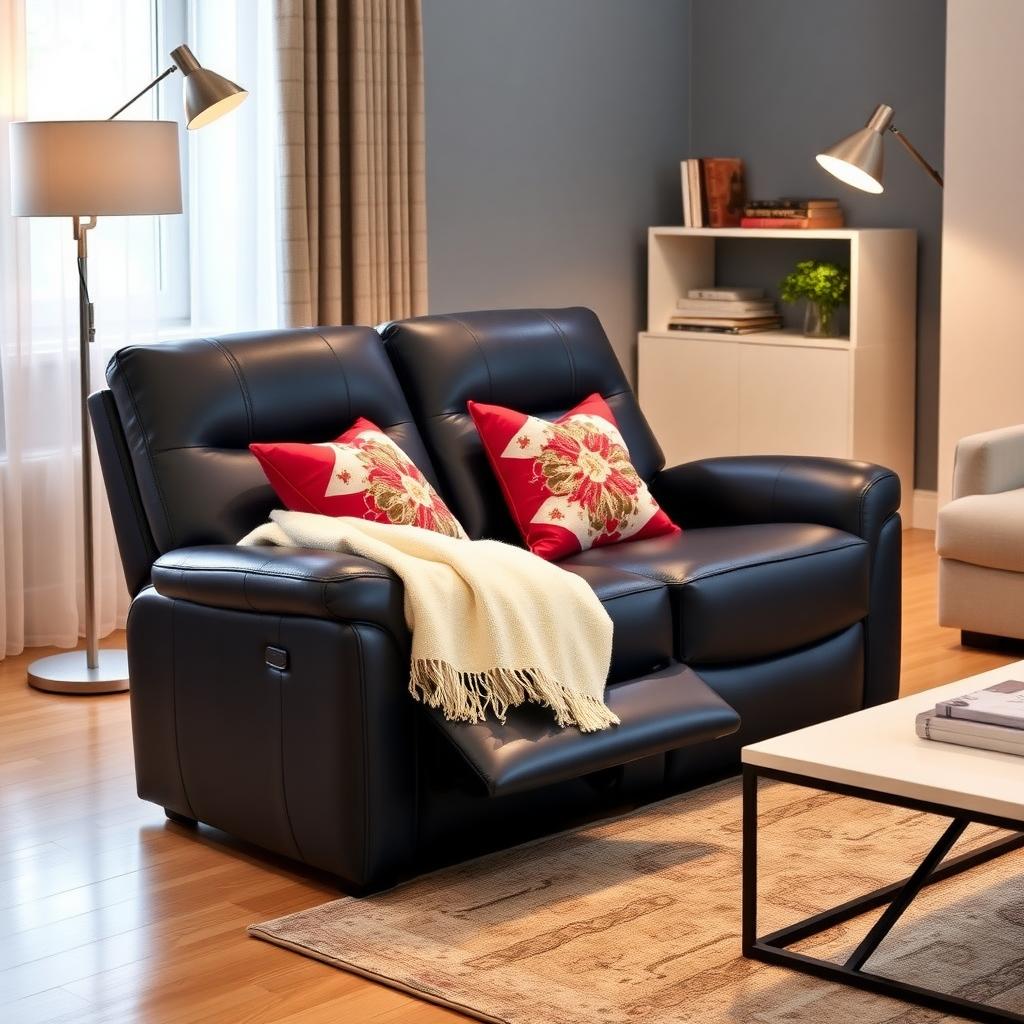
- Add Throw Pillows and Blankets: A few colorful pillows or a soft throw can make your recliner inviting and stylish.
- Position Strategically: Place your recliner near a window or lamp for a cozy reading nook. I angled mine to face both the TV and the fireplace for versatility.
- Pair with a Side Table: A small table for books or a coffee mug adds function and charm.
When styling, think about balance. A bulky recliner can dominate a small room, so pair it with sleek furniture to keep things airy. For more inspiration, explore How to Style Your Living Room with a Recliner in our related guides.
Common Fabric Care Mistakes to Avoid
Even with the best intentions, it’s easy to make mistakes that damage your recliner’s fabric. Here’s what to watch out for:
- Using Harsh Chemicals: Bleach or strong detergents can fade or weaken fabrics. Stick to mild cleaners.
- Ignoring Care Labels: Always check the manufacturer’s instructions before cleaning.
- Over-Wetting Fabrics: Too much water can cause mildew or damage delicate fabrics like chenille.
- Skipping Regular Maintenance: Waiting for a big spill to clean your recliner can let dirt build up, making stains harder to remove.
I once used a random cleaner on my recliner without checking the label, and it left a faint discoloration. Lesson learned—always read the fine print!
Advanced Tips for Long-Term Fabric Care
For those who want to go the extra mile, here are advanced strategies to keep your recliner pristine:
- Invest in Professional Cleaning: Every 1-2 years, hire a professional upholstery cleaner to deep-clean your recliner. It’s worth it for high-end fabrics.
- Use UV-Protective Curtains: If your recliner is near a window, UV rays can fade the fabric. Sheer curtains can help.
- Store Properly During Moves: If you’re relocating, wrap your recliner in breathable fabric (not plastic) to prevent moisture damage.
These steps have helped me keep my recliner looking showroom-ready, even after years of daily use. The Furniture Manufacturers Association has great resources for long-term furniture care.
Summary
Fabric Care 101 is all about choosing the right recliner fabric, maintaining it with regular care, and styling it to enhance your living room. By picking durable fabrics like microfiber or leather, vacuuming weekly, and avoiding common cleaning mistakes, you can keep your recliner looking fresh for years. Pair it with smart styling choices to make your living room both functional and beautiful.