






Featured Post
How to Choose the Perfect Chair for Your Space
Overview
Choosing the right chair can transform a room, blending style, comfort, and functionality. Whether you're furnishing a cozy living room, a sleek office, or a vibrant dining area, the perfect chair enhances both aesthetics and usability. This guide on How to Choose the Perfect Chair for Your Space offers practical tips to help you make an informed decision.
Why Choosing the Right Chair Matters
A chair isn’t just a piece of furniture; it’s a daily companion. From sinking into a plush armchair after a long day to sitting upright at a desk for hours, the right chair supports your body and elevates your space. A poorly chosen chair, however, can lead to discomfort or clash with your decor. I’ve learned this firsthand after buying a trendy chair that looked great online but felt like a rock after 30 minutes. The key is balancing style, comfort, and purpose.
Step 1: Define the Chair’s Purpose
Start by asking: What’s this chair for? A dining chair needs durability for frequent use, while a reading nook chair demands coziness. For example, when I set up my home office, I needed a chair that supported long hours of work without straining my back. Knowing the chair’s role helps narrow your options.
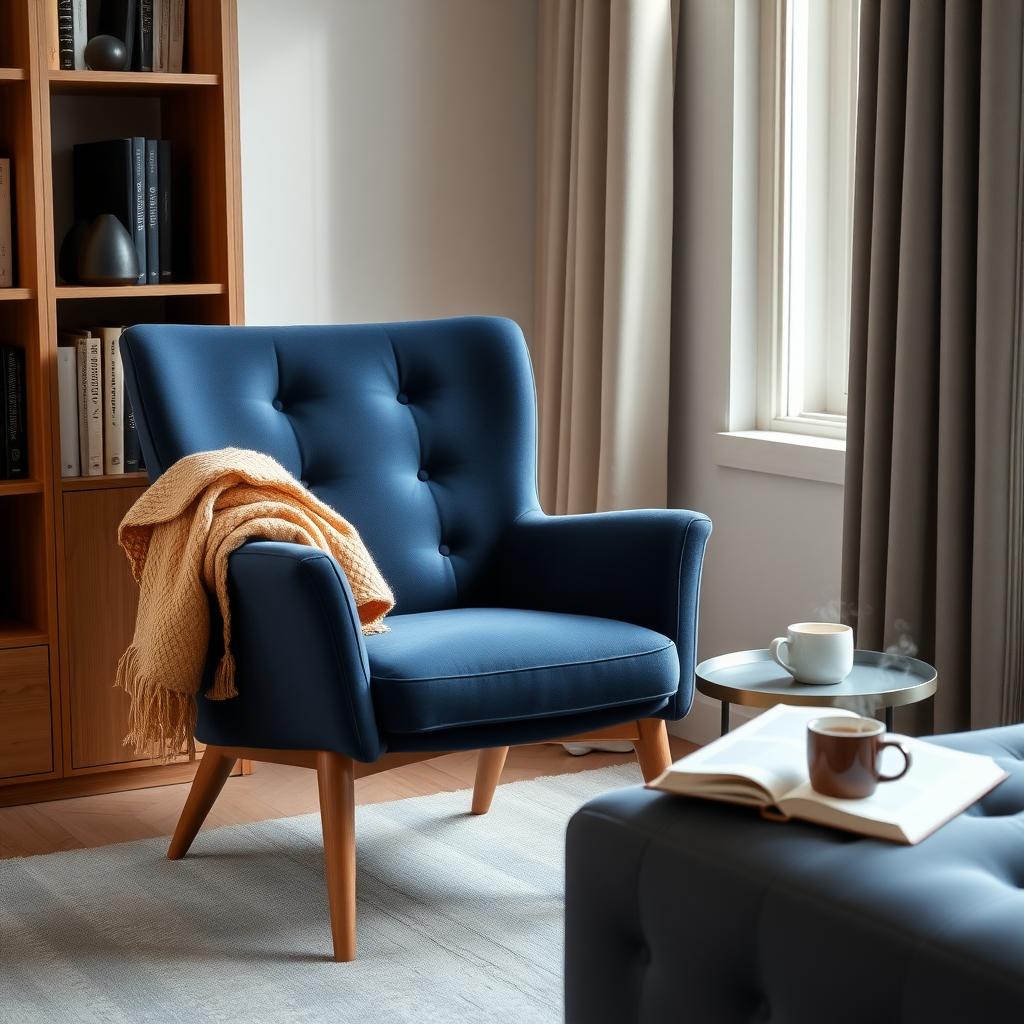
Consider these common purposes: - Lounge chairs: Prioritize comfort for relaxing. - Dining chairs: Focus on durability and easy maintenance. - Office chairs: Emphasize ergonomics and adjustability. - Accent chairs: Highlight style to enhance room aesthetics.
Step 2: Measure Your Space
Size matters when choosing a chair. A bulky recliner might overwhelm a small apartment, while a tiny stool could look lost in a spacious dining room. Measure your space before shopping. I once bought a chair that looked perfect in the store but dwarfed my living room. To avoid this, measure the area where the chair will go, including height, width, and depth.
Here’s a quick checklist: - Room dimensions: Ensure the chair fits without crowding. - Traffic flow: Leave enough space for easy movement. - Proportions: Match the chair’s scale to other furniture.
For small spaces, consider slim-profile chairs or stackable options. For larger rooms, bolder designs can make a statement.
Step 3: Prioritize Comfort and Ergonomics
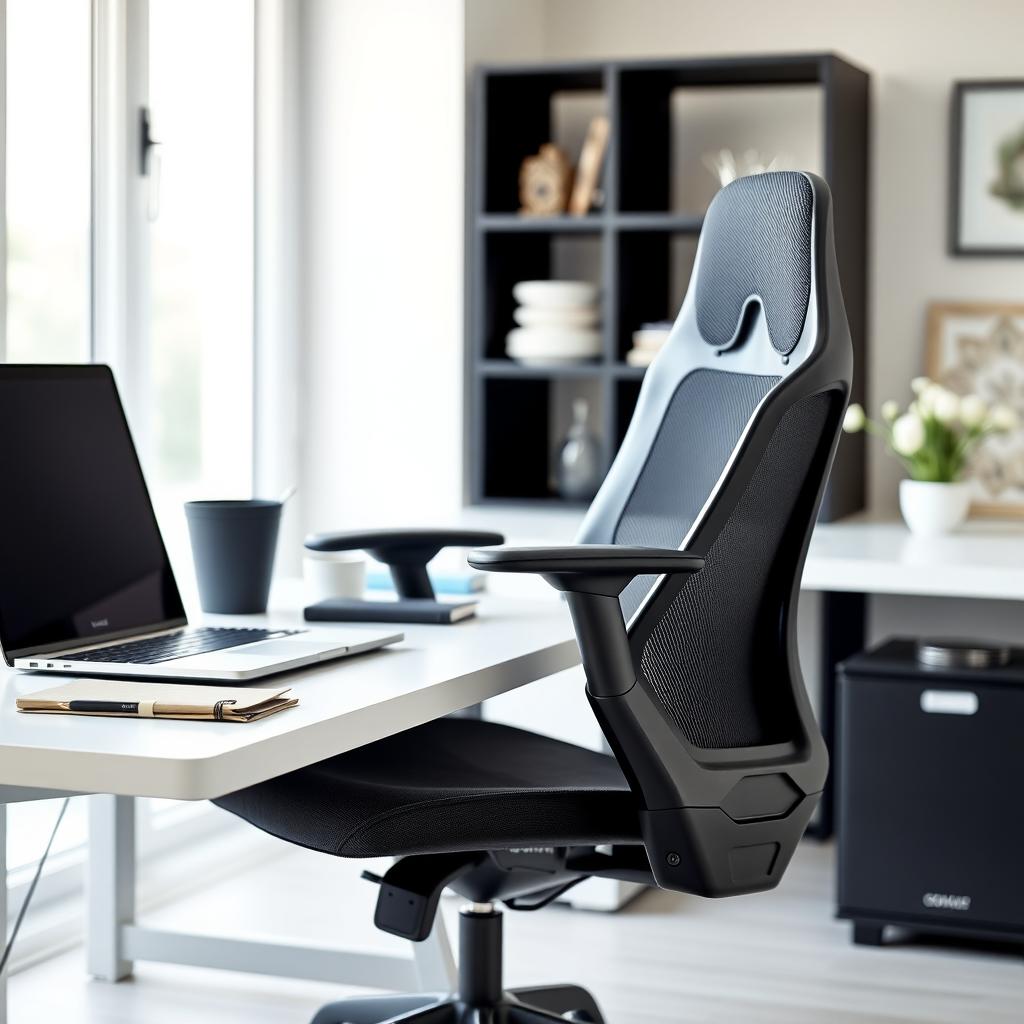
Comfort is non-negotiable. A chair might look stunning, but if it’s uncomfortable, you’ll regret the purchase. Test chairs whenever possible. Sit for at least 10 minutes to gauge support. For office chairs, look for adjustable features like lumbar support, seat height, and armrests. The American Chiropractic Association suggests choosing chairs that promote a neutral spine position to reduce strain (source: American Chiropractic Association).
For lounge or accent chairs, consider cushion firmness. I prefer chairs with medium-firm cushions—they’re supportive yet cozy. If you’re buying online, read reviews for insights on long-term comfort.
Step 4: Match Style to Your Decor
Your chair should complement your room’s aesthetic. A sleek, modern chair might clash in a rustic farmhouse setting, while a vintage wingback could overwhelm a minimalist space. When I redecorated my dining area, I chose upholstered chairs in a neutral tone to blend with my Scandinavian-inspired decor. Think about: - Color: Neutral tones are versatile; bold hues add personality. - Material: Wood, metal, or upholstered finishes set the tone. - Style: Modern, traditional, or eclectic—match your vibe.
Top 10 Decorating Tips for Furniture Enthusiasts include mixing textures (like pairing a leather chair with a linen sofa) and layering patterns for visual interest.
Step 5: Consider Materials and Maintenance
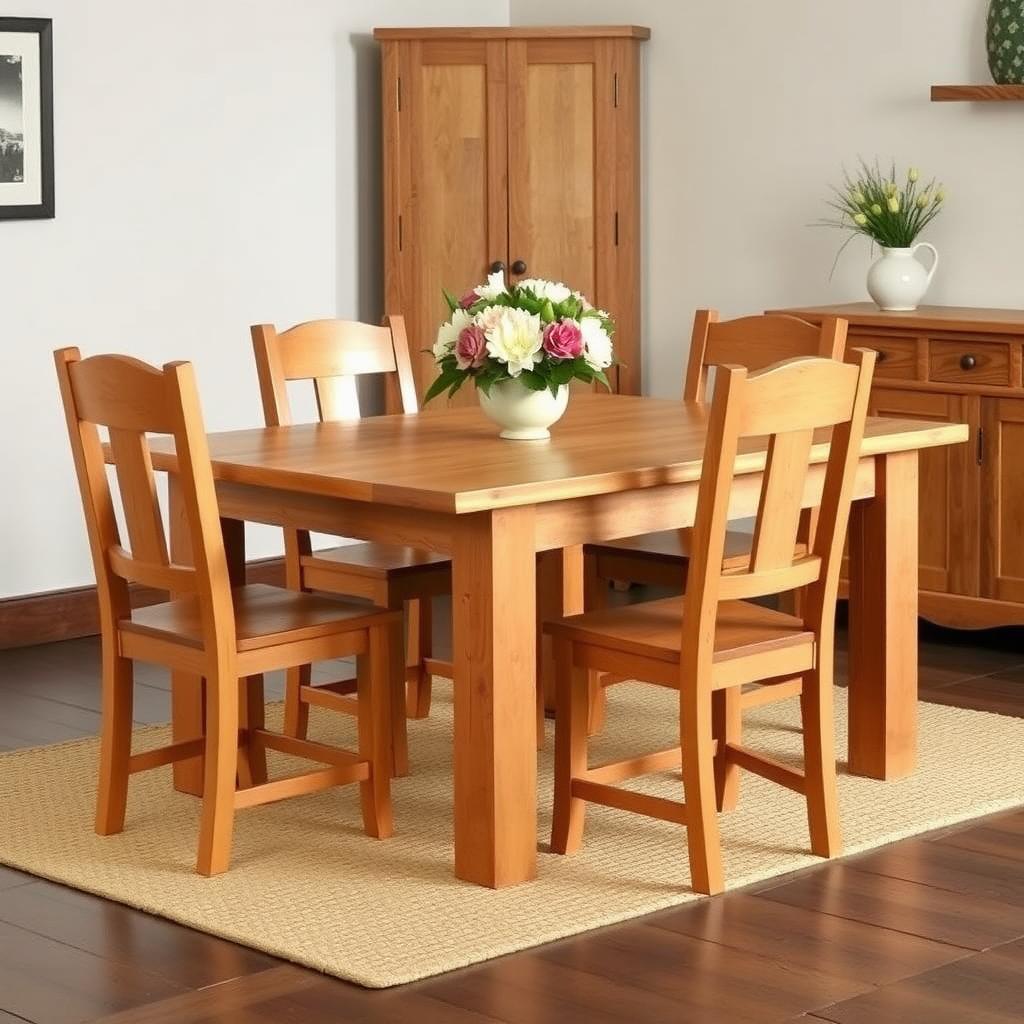
The chair’s material affects both its look and upkeep. Wood chairs are timeless but require regular care to maintain their finish. For a furniture care guide for wood finishing, dust weekly and polish every few months with a wood-specific product to prevent drying or cracking. Upholstered chairs are cozy but prone to stains, so opt for stain-resistant fabrics if you have kids or pets.
Here’s a table to guide material choices:
| Material | Pros | Cons |
|---|---|---|
| Wood | Durable, classic look | Requires polishing |
| Upholstery | Comfortable, stylish | Stain-prone |
| Metal | Modern, sturdy | Can feel cold |
| Plastic | Affordable, easy to clean | Less durable |
Choose materials based on your lifestyle. My dog once ruined a fabric chair, so now I stick to leather or microfiber for easy cleaning.
Step 6: Test Durability and Quality
A good chair is an investment, so check its build quality. Look for sturdy frames (hardwood or metal), secure joints, and high-quality upholstery. When I bought a cheap chair online, the legs wobbled within months. Now, I inspect stitching and test stability in-store or read reviews for online purchases. Reputable brands often provide warranties, which is a good sign of durability.
Step 7: Set a Budget
Chairs range from budget-friendly to high-end. Decide what you’re willing to spend, but don’t skimp on quality for critical pieces like office or dining chairs. I’ve found that mid-range options ($100-$300) often strike a balance between affordability and durability. If you’re splurging on a statement piece, ensure it’s both functional and fabulous.
Step 8: Explore Eco-Friendly Options
Sustainability is a growing trend in furniture. Look for chairs made from recycled materials or sustainably sourced wood. Certifications like FSC (Forest Stewardship Council) ensure eco-friendly practices. I recently bought a chair made from reclaimed wood, and it’s both beautiful and guilt-free. Check brand websites for sustainability policies.
Step 9: Try Before You Buy
If possible, visit showrooms to test chairs. Online shopping is convenient, but photos can be misleading. If you’re buying online, check return policies. I once ordered a chair that looked perfect but arrived with a wonky frame. A generous return policy saved me from a costly mistake.
Step 10: Personalize Your Choice
Finally, make the chair yours. Add cushions, throws, or custom upholstery to reflect your personality. Top 10 Decorating Tips for Furniture Enthusiasts suggest using bold accessories to make neutral chairs pop. I added a bright cushion to my office chair, and it instantly felt more inviting.
By following these steps, you’ll find a chair that’s not just furniture but a perfect fit for your space and lifestyle.
Summary
Choosing the perfect chair involves balancing purpose, comfort, style, and durability. Measure your space, prioritize ergonomics, and pick materials that suit your lifestyle. With thoughtful planning, your chair will enhance your home for years. Explore more furniture tips in the recommended readings below.