



Featured Post
The Art of Organization: Tips for a Clutter-Free Home
Overview
A clutter-free home is more than just a tidy space—it’s a sanctuary that boosts your mood, productivity, and peace of mind. Mastering The Art of Organization: Tips for a Clutter-Free Home involves simple, actionable steps and smart storage solutions. This guide shares practical advice to help you declutter, organize, and maintain a harmonious living space.
Why a Clutter-Free Home Matters
Clutter can sneak up on you. One day, your home feels cozy; the next, it’s overflowing with misplaced items. Research from the University of California, Los Angeles, shows that cluttered environments can increase stress levels and reduce focus. A tidy home, on the other hand, promotes calmness and efficiency. By embracing The Art of Organization: Tips for a Clutter-Free Home, you’re not just cleaning—you’re creating a space that supports your well-being.
I learned this firsthand when I moved into a small apartment. My belongings seemed to multiply overnight, and I felt overwhelmed. That’s when I discovered the power of intentional organization. It’s not about perfection; it’s about creating systems that work for you.
Step 1: Declutter with Purpose
The first step to a clutter-free home is decluttering. Start by assessing each room. Ask yourself: What do I use? What do I love? What’s just taking up space? A study from the National Association of Professional Organizers suggests that 80% of what we own, we rarely use. Be ruthless but thoughtful.
- Sort items: Create piles for keep, donate, and discard.
- Tackle one area at a time: Start with a single drawer or shelf to avoid feeling overwhelmed.
- Use the one-year rule: If you haven’t used it in a year, it’s probably time to let it go.
When I decluttered my kitchen, I found three spatulas and duplicate spices. Donating extras and tossing expired items felt liberating. It’s amazing how much space you can reclaim with this simple step.
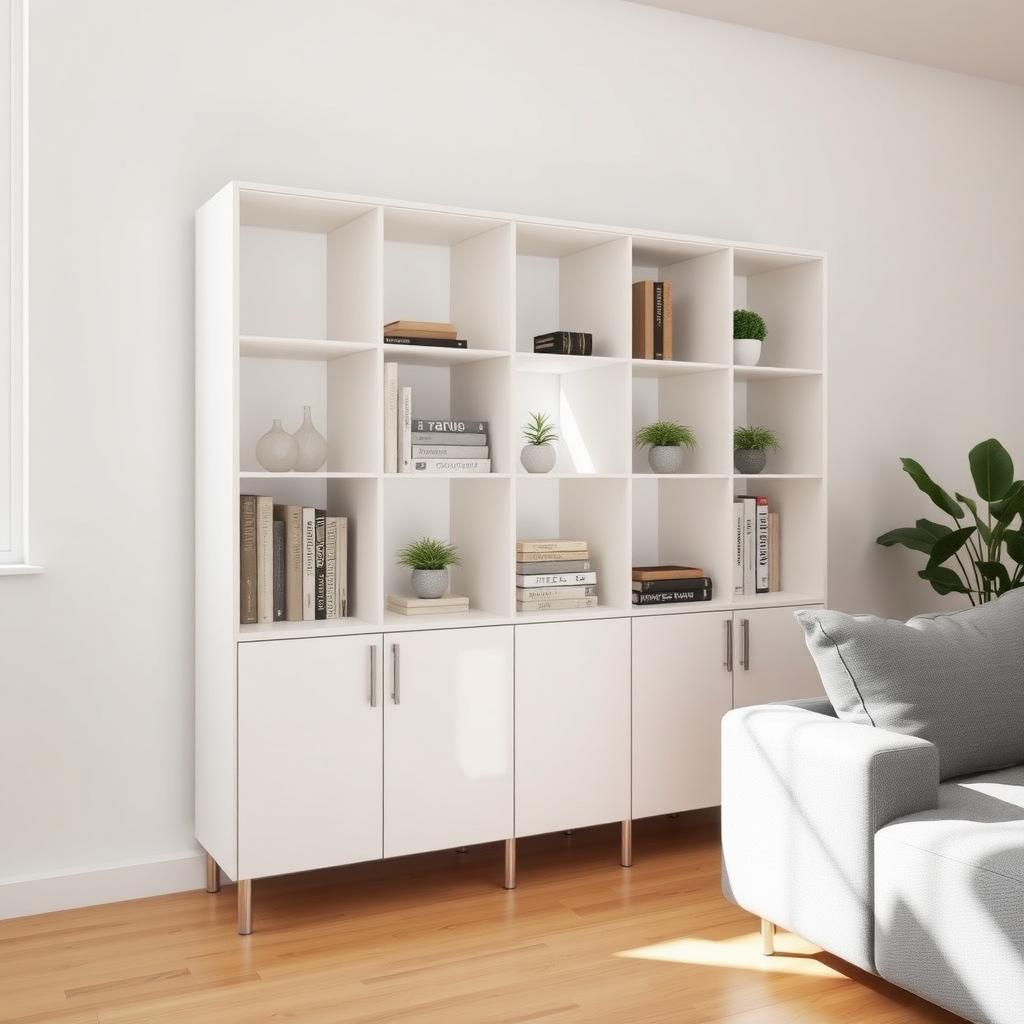
Step 2: Embrace Innovative Storage Solutions with Cabinet Furniture
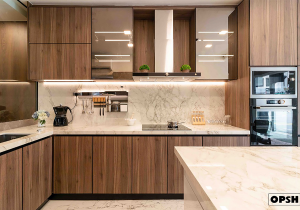
Once you’ve decluttered, the next step is finding a place for everything. This is where innovative storage solutions with cabinet furniture shine. Cabinets are versatile, blending style and function. They can transform chaotic spaces into organized havens.
- Multi-functional cabinets: Opt for cabinets with adjustable shelves or hidden compartments.
- Vertical storage: Use tall cabinets to maximize floor space, especially in small homes.
- Aesthetic appeal: Choose furniture that complements your decor, like sleek wooden cabinets for a modern look.
In my bedroom, a tall cabinet with sliding doors became a game-changer. It holds clothes, shoes, and even my yoga mat, keeping everything out of sight but accessible. According to the Container Store’s organization survey, 67% of people feel more relaxed when their storage solutions are both functional and visually appealing.
Step 3: Create Systems That Stick
Organization isn’t a one-time event—it’s a habit. Create systems that are easy to maintain. For example:
| Area | Organization Tip |
|---|---|
| Kitchen | Use clear containers for pantry items to see what you have. |
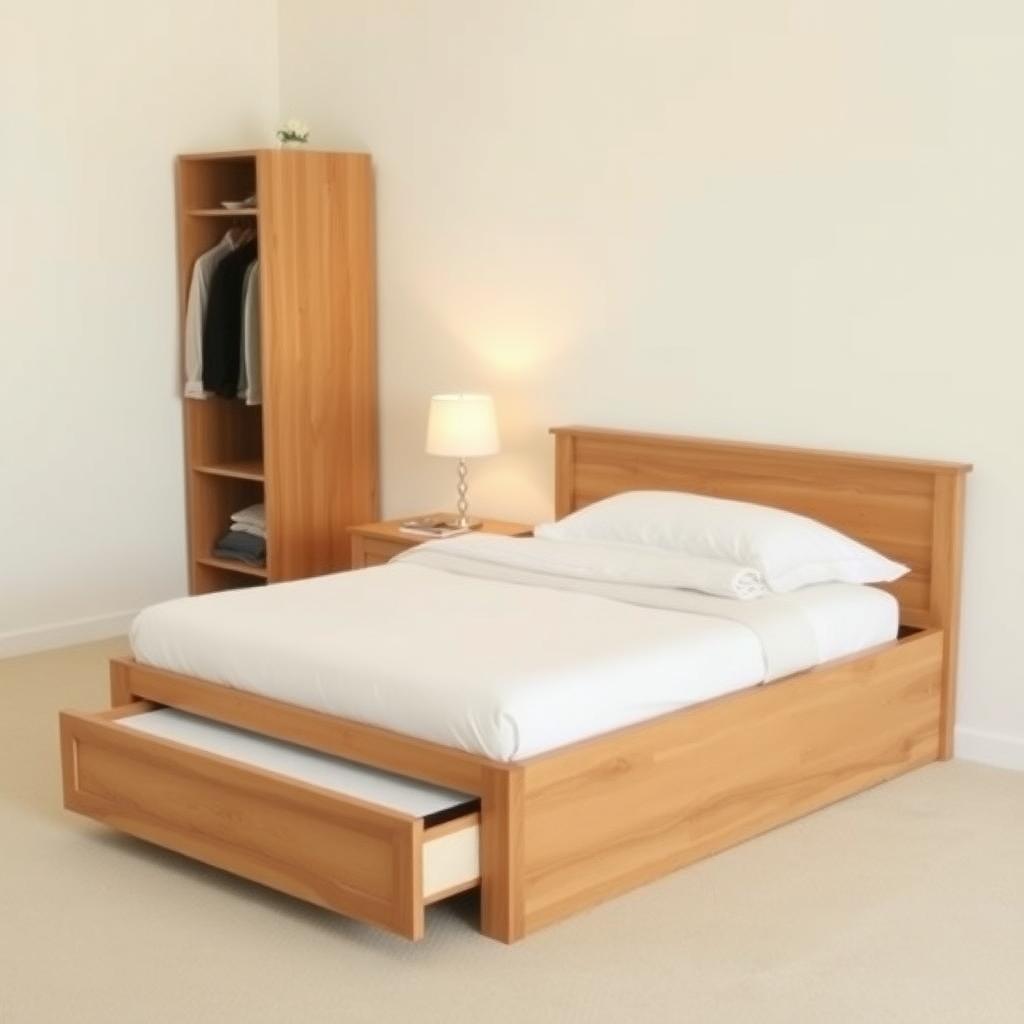
| Bedroom | Store off-season clothes in under-bed storage boxes. |
| Living Room | Use a coffee table with built-in drawers for remotes and magazines. |
| Bathroom | Install wall-mounted cabinets for toiletries to free up counter space. |
I started labeling baskets in my closet, and it’s saved me so much time. No more digging through piles to find my favorite scarf. Systems like these make staying organized feel effortless.
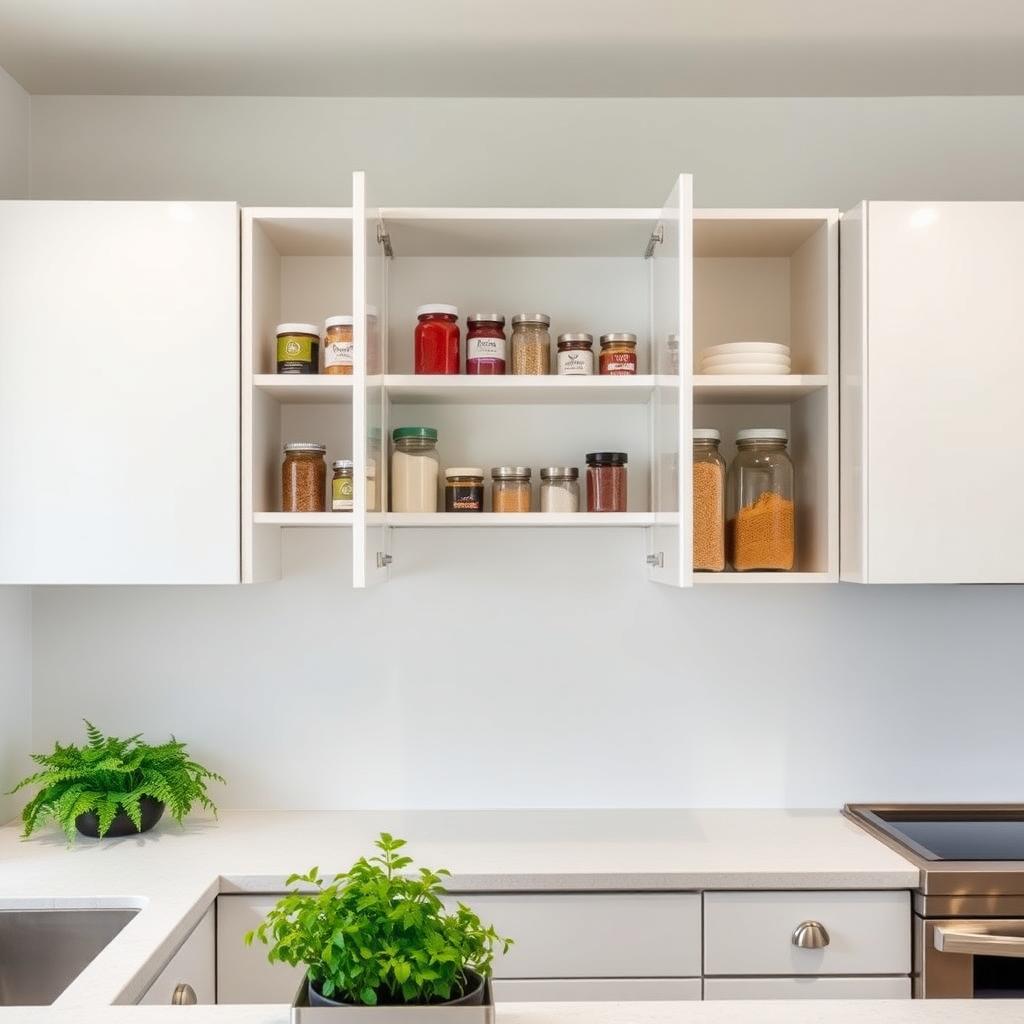
Step 4: Maximize Space with Smart Furniture Choices
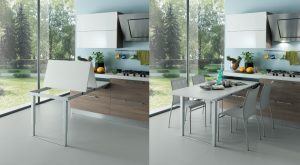
Choosing the right furniture is key to a clutter-free home. Beyond cabinets, consider multi-purpose pieces like ottomans with storage or beds with built-in drawers. These pieces save space and reduce visual clutter.
- Modular furniture: Pieces that can be rearranged or expanded are ideal for growing families.
- Hidden storage: Look for coffee tables or benches with compartments.
- Wall-mounted options: Floating shelves or cabinets free up floor space.
When I swapped my bulky bookshelf for a slim wall-mounted cabinet, my living room felt twice as big. It’s proof that the right furniture can make a small space feel open and airy.
Step 5: Maintain Your Clutter-Free Home
Keeping your home organized requires regular upkeep. Set aside 10 minutes daily to tidy up. Once a month, do a quick declutter to prevent buildup. I’ve found that playing music makes these sessions fun—almost like a mini workout for my home.
Another tip: involve your household. Everyone should know where things belong. In my home, we have a ‘reset’ night where we put everything back in its place. It’s become a family ritual that keeps our space serene.
Overcoming Common Challenges
Decluttering can feel daunting, especially if you’re sentimental or live in a small space. Here’s how to tackle common hurdles:
- Sentimental items: Keep one or two meaningful pieces and photograph the rest for memories.
- Limited space: Use vertical storage or multi-purpose furniture to maximize every inch.
- Time constraints: Break tasks into 15-minute chunks to make progress without stress.
I struggled with letting go of old letters until I scanned them and stored them digitally. It freed up space without losing the memories. The American Psychological Association notes that reducing physical clutter can also declutter your mind, making tough decisions easier.
Summary
Mastering The Art of Organization: Tips for a Clutter-Free Home is about creating systems that suit your lifestyle. Declutter with purpose, invest in innovative storage solutions with cabinet furniture, and maintain habits that keep chaos at bay. With the right approach, your home can be a calm, functional space that sparks joy every day.