


Featured Post
Furniture Arrangement Mistakes to Avoid in Small Spaces
Living in a small space can feel challenging, but smart furniture choices and placement make all the difference. Avoid these common furniture arrangement mistakes to avoid in small spaces, and your home will feel larger, more functional, and truly cozy.

Why Furniture Arrangement Matters in Small Spaces
I’ve lived in tiny apartments for years, and I’ve made every mistake possible. One time, I crammed a huge sectional into a 300-square-foot living room. It looked ridiculous and made the space feel like a storage unit. The good news? Small changes create big improvements.
Proper arrangement improves flow, maximizes every inch, and even affects how you feel at home. Let’s dive into the biggest furniture arrangement mistakes to avoid.
Mistake 1: Pushing All Furniture Against the Walls
Many people think pushing everything to the walls opens up the center. In reality, it makes the room feel cold and disconnected.
Float furniture away from walls instead. Create a cozy conversation area in the middle. This simple shift makes small rooms feel intentional and welcoming.
Mistake 2: Choosing Oversized Furniture
A massive couch might feel luxurious in the store, but it overwhelms a small room.
Always measure your space first. Choose pieces that fit the scale. Oregon State University Extension recommends selecting furniture that matches room proportions to prevent overcrowding and keep the area feeling open.
Mistake 3: Ignoring Traffic Flow
Blocked pathways turn your living room into an obstacle course. You shouldn’t have to sidestep furniture to reach the couch.
Leave at least 3 feet for main walkways. Plan clear paths between doors, seating, and other areas. Good flow makes daily life easier and the room feel larger.

Mistake 4: Using a Rug That’s Too Small
A tiny rug makes furniture look scattered and the room chopped up.
Choose a rug large enough for all front legs of seating to rest on it. This anchors the space and creates unity. It’s one of the fastest fixes for small living rooms.
Mistake 5: Skipping Multifunctional Pieces
Single-purpose furniture wastes precious space.
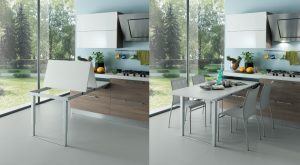
NASA’s research on compact habitats shows multifunctional designs dramatically improve livability in tight quarters. Look for coffee tables with storage, sofa beds, or ottomans that double as seating.
Mistake 6: Neglecting Vertical Space
Focusing only on the floor leaves walls unused.
Add tall bookshelves, floating shelves, or wall-mounted cabinets. This draws the eye upward and adds storage without eating floor space.
Mistake 7: Poor Lighting Placement
One overhead light creates harsh shadows and dead zones.
Layer lighting with floor lamps, table lamps, and wall sconces. Place lamps near seating for reading and conversation. Good lighting makes any small room feel warm and inviting.
Top 10 Tips for Arranging Your Living Room in Small Spaces
Ready to fix things? Here are actionable tips:
- Measure twice, buy once
- Float seating for conversation zones
- Use a large area rug to anchor everything
- Choose light colors for walls and upholstery
- Add mirrors to reflect light and space
- Keep walkways clear and wide
- Pick furniture with exposed legs for airiness
- Layer lighting at different heights
- Incorporate plants for life and freshness
- Declutter regularly—less is truly more

Creating a Cozy Living Room: Furniture Arrangement Tips
Cozy doesn’t mean cluttered. Group seating to encourage conversation. Add soft blankets, pillows, and warm lighting. Personal touches like photos or art make the space feel like home, not just a room.
Furniture Maintenance 101 in Tight Spaces
In small areas, furniture takes more wear from constant use. Dust regularly, vacuum under pieces, and rotate cushions. Choose durable, easy-clean fabrics. Quick maintenance keeps your investment looking fresh longer.
Final Thoughts
Avoiding these furniture arrangement mistakes to avoid in small spaces transforms your home. Start with one change—like floating your sofa or swapping a tiny rug—and watch the difference. Your small space can feel open, functional, and truly yours.
Measure, plan, and choose pieces you love. You’ll create a living room that feels bigger and more comfortable than ever.