









Featured Post
Futon Care and Maintenance Tips: Keep Your Versatile Sofa Bed in Top Shape
Quick Overview
Futons are fantastic space-savers that double as cozy sofas and comfortable beds. With the right futon care and maintenance tips, you can keep yours fresh, supportive, and sturdy for years. This guide covers everything from daily habits to deep cleaning and simple repairs.

Why Proper Futon Care Matters
I remember buying my first futon for a small apartment. It was perfect – until I neglected it. Within a year, it sagged and smelled musty. That's when I learned that regular care makes all the difference. A well-maintained futon stays comfortable, hygienic, and lasts much longer.
Futons get heavy use as both seating and sleeping surfaces. Dust, spills, and body oils build up quickly. Without attention, mattresses flatten unevenly, and frames loosen. These futon care and maintenance tips will help you avoid those issues.
Understanding Futon Frames and Maintenance
Most futons have wooden or metal frames with slats that support the mattress. Wooden frames are popular for their natural look and sturdiness, but they can creak if bolts loosen over time.
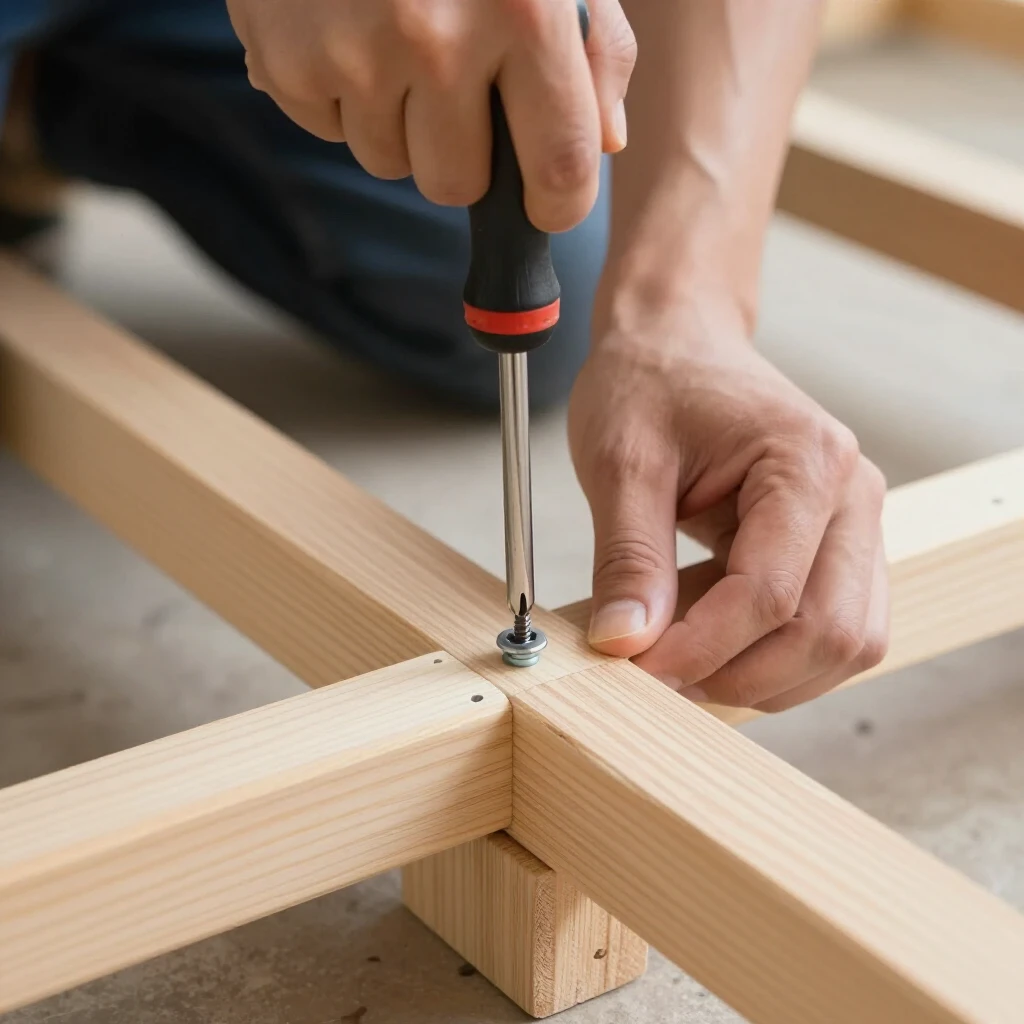
Start by checking your frame every few months. Tighten any loose screws or bolts gently – don't overtighten, as that can strip the wood.
For wooden frames: - Dust regularly with a soft cloth. - Apply furniture polish occasionally to prevent drying.
Metal frames might rust in humid areas, so wipe them down and consider a protective spray.
Common Frame Issues and DIY Fixes
Loose joints are the most frequent problem. Grab a screwdriver or Allen wrench (often stored under the frame) and snug everything up.
If slats break, replace them with matching wood pieces from a hardware store. Sand and stain to blend in.
These DIY futon frame repair tips saved me once when a rail cracked. I reinforced it with wood glue and metal brackets – it's held strong for years now.
Caring for Your Futon Mattress
The mattress is the heart of your futon. Rotate it every 3-6 months to prevent uneven wear. If it's flippable, turn it over too.
Daily and Weekly Habits
- Fold or air it out when not in use to let moisture escape.
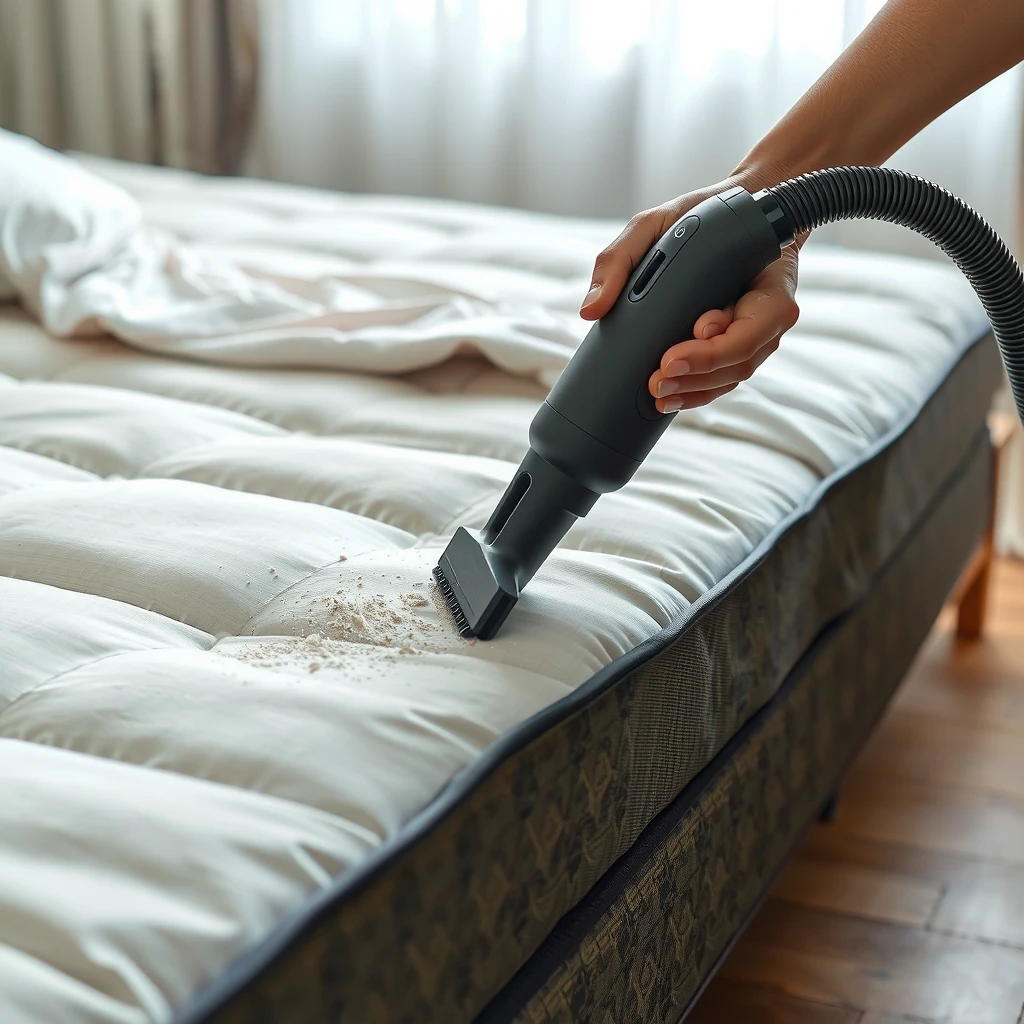
- Vacuum both sides weekly with an upholstery attachment.
Deep Cleaning Steps
- Vacuum thoroughly to remove dust.
- Sprinkle baking soda for odors; let sit for hours, then vacuum.
- Spot clean stains with mild soap and water – blot, don't rub.
- Air dry completely in sunlight if possible.
Avoid soaking the mattress, as it can lead to mold.
Preventing Common Problems
Use a removable, washable cover – it's the best protection against spills and dirt.
Keep your futon away from direct heat sources to avoid drying out fibers.
In humid climates, run a dehumidifier nearby.
Quick Maintenance Checklist
- Vacuum weekly
- Rotate monthly
- Tighten frame bolts quarterly
- Deep clean seasonally
Following these steps keeps your futon feeling like new.
When to Replace Parts or the Whole Futon
Even with great care, futons wear out. If the mattress is lumpy despite rotation, or the frame wobbles badly, it might be time for an upgrade.
I've extended my futon's life by replacing just the mattress – a cost-effective move.
Look for natural fiber options for better breathability.
Final Thoughts
Taking care of your futon doesn't take much time, but it pays off big. These futon care and maintenance tips, from understanding futon frames and maintenance to DIY futon frame repair tips, will help you enjoy your versatile piece longer.
Start small today – vacuum it, tighten a few bolts, and rotate the mattress. You'll notice the difference right away.