








Featured Post
Ultimate Guide to Upholstery Cleaning
Keep Your Furniture Fresh and Clean
Upholstered furniture like sofas, chairs, and even bed headboards adds comfort to your home, but it attracts dirt, spills, and stains over time. This guide to upholstery cleaning helps you tackle common issues safely and effectively, saving money and keeping your pieces looking new.
Start with the Basics: Check the Cleaning Code
Always look for the manufacturer's tag under cushions or on the furniture frame. It shows a code that tells you the safe cleaning method.
Here's what the common codes mean:
- W: Use water-based cleaners, like mild soap solutions.
- S: Use solvent-based cleaners only (no water).
- WS or W-S: Either water or solvent works.
- X: Vacuum or brush only; no liquids. Call a pro for deep cleaning.
As explained by experts at the University of Illinois Extension, following these codes prevents damage like shrinking or color fading.
Regular Maintenance Keeps Furniture Looking Great
You don't need to deep clean every week. Simple habits go a long way.
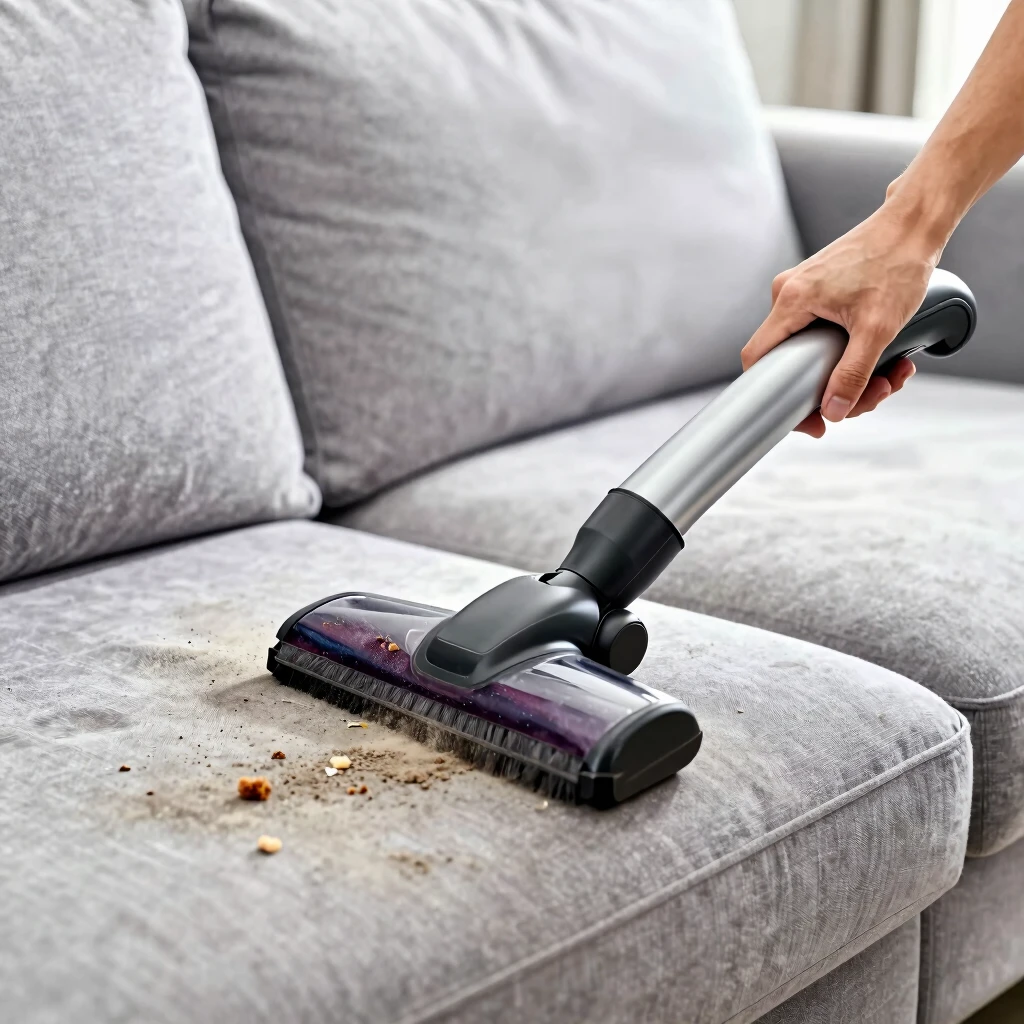
Vacuum your sofa, chairs, and upholstered bed frames weekly. Use the upholstery attachment to get into crevices where crumbs and pet hair hide. Rotate and flip cushions to even out wear.
Avoid direct sunlight to prevent fading, especially on natural fibers. Quick action on spills stops them from setting in.
Handling Spills and Stains: Act Fast
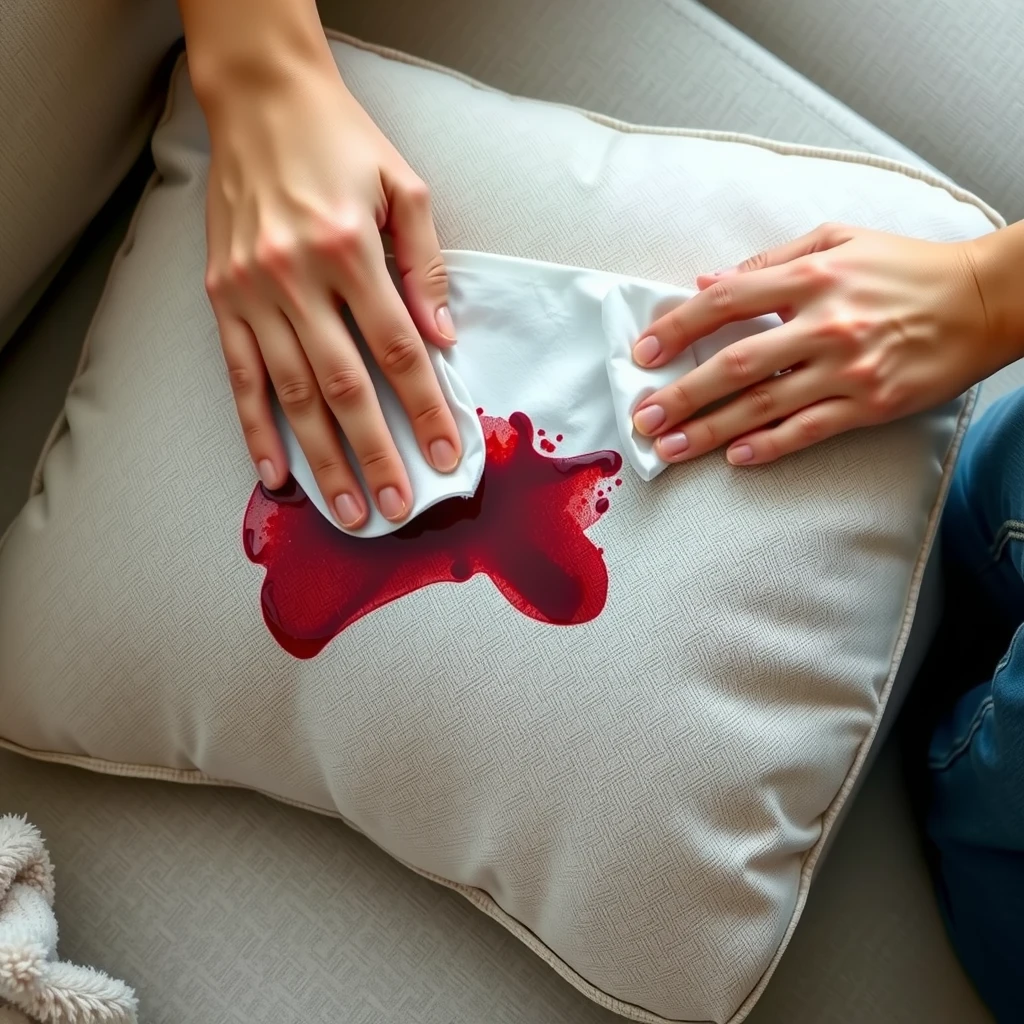
The key to stain removal is speed. Blot—don't rub—spills right away with a clean white cloth to absorb liquid.
For most stains: 1. Blot excess. 2. Test any cleaner on a hidden spot. 3. Apply cleaner gently. 4. Blot dry. 5. Air dry completely.
Rubbing spreads the stain and can damage fibers.
Furniture Care for Different Materials
Different fabrics need different approaches.
Cotton and Linen: Often W or WS. Great for water-based cleaning but prone to shrinking if over-wet.
Polyester and Microfiber: Durable, usually W. Resists stains well.
Wool or Silk: Often S or X. Avoid water; use solvents or professional help.
Leather: Not fabric, but wipe with damp cloth and use leather conditioner.
For upholstered beds, focus on headboards and frames—the same codes apply.
The Institute of Inspection Cleaning and Restoration Certification (IICRC) recommends understanding fiber types for safe cleaning.
Homemade Cleaners That Work
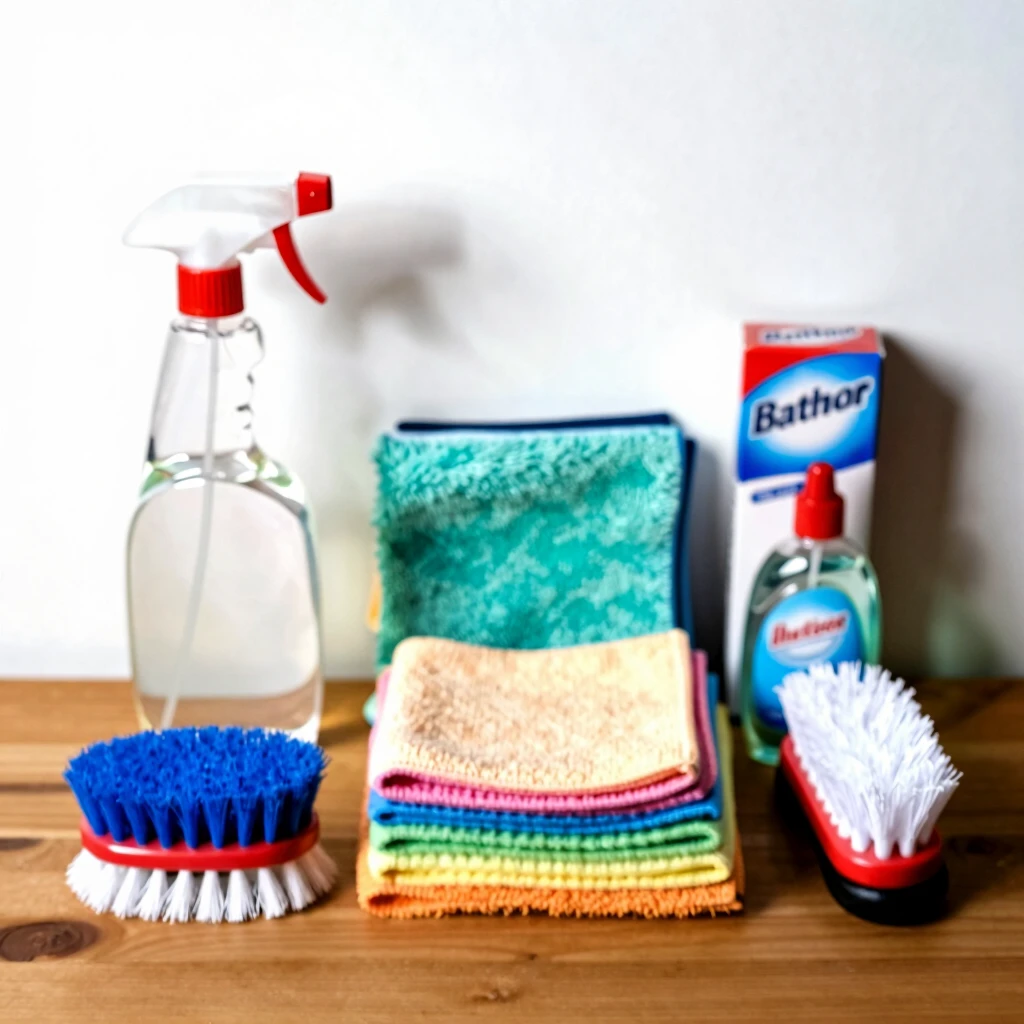
You don't always need fancy products. Try these:
- Mild dish soap mixed with warm water for W fabrics.
- Baking soda sprinkled on, left to sit, then vacuumed for odors.
- White vinegar solution (1:1 with water) for light stains.
Always blot and test first.
Tough Stains: Step-by-Step Tips
Here are solutions for common problems:
Coffee or Tea: Blot, then use mild soap solution. Rinse by blotting with water.
Ink: Dab with rubbing alcohol on S fabrics.
Grease: Sprinkle cornstarch or baking soda to absorb, then vacuum.
Pet Stains: Blot urine immediately, use enzyme cleaner for odors.
Red Wine: Blot, sprinkle salt to absorb, then clean with club soda.
For persistent issues, consider hot water extraction if the code allows, as suggested in university extension resources.
When to Call Professionals
If the code is X, the stain is old, or you're unsure, hire a pro. They have tools for deep cleaning without damage. Annual professional cleaning refreshes heavily used furniture.
Look for certified cleaners through organizations like the IICRC.
Prevent Future Problems
Use throws or slipcovers on high-traffic pieces. Apply fabric protector after cleaning (check compatibility). Keep pets groomed and train kids to eat at the table.
These habits make your furniture care routine easier and extend the life of your bed frames, sofas, and chairs.
Final Thoughts
Clean upholstery makes your home feel fresher and more inviting. Start with vacuuming and quick spill response—you'll see big differences. Follow fabric codes and test cleaners to avoid mistakes.
With these tips, your furniture will stay beautiful for years.