





Featured Post
The History of Armoires: From Medieval Times to Modern Designs
Armoires have stood the test of time, evolving from medieval storage solutions to stylish, space-saving furniture we use today. This article traces their fascinating history, from the Middle Ages to modern designs, exploring their styles, uses, and cultural significance over centuries.
Medieval Beginnings: The Birth of the Armoire
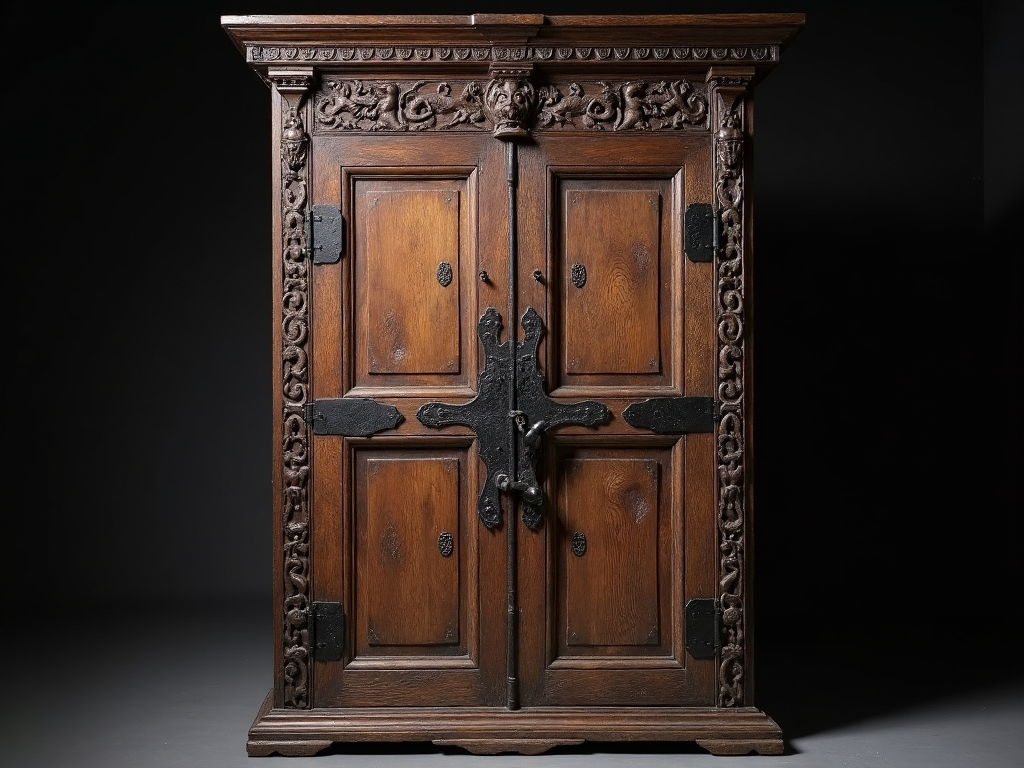
The history of armoires starts in medieval Europe. Back then, they weren’t just furniture—they were practical storage for armor and weapons. The word 'armoire' comes from the French term for armor, hinting at their original purpose. Made from solid oak or other hardwoods, these pieces were built to last, often found in castles or wealthy homes.
Over time, people started using armoires for clothes and household goods. They became a sign of wealth, especially when decorated with Gothic-style carvings like pointed arches or floral patterns. I’ve seen replicas of these early designs in museums, and the craftsmanship still amazes me—those heavy doors and sturdy frames tell a story of durability and status.
Renaissance Refinement: A Shift in Style
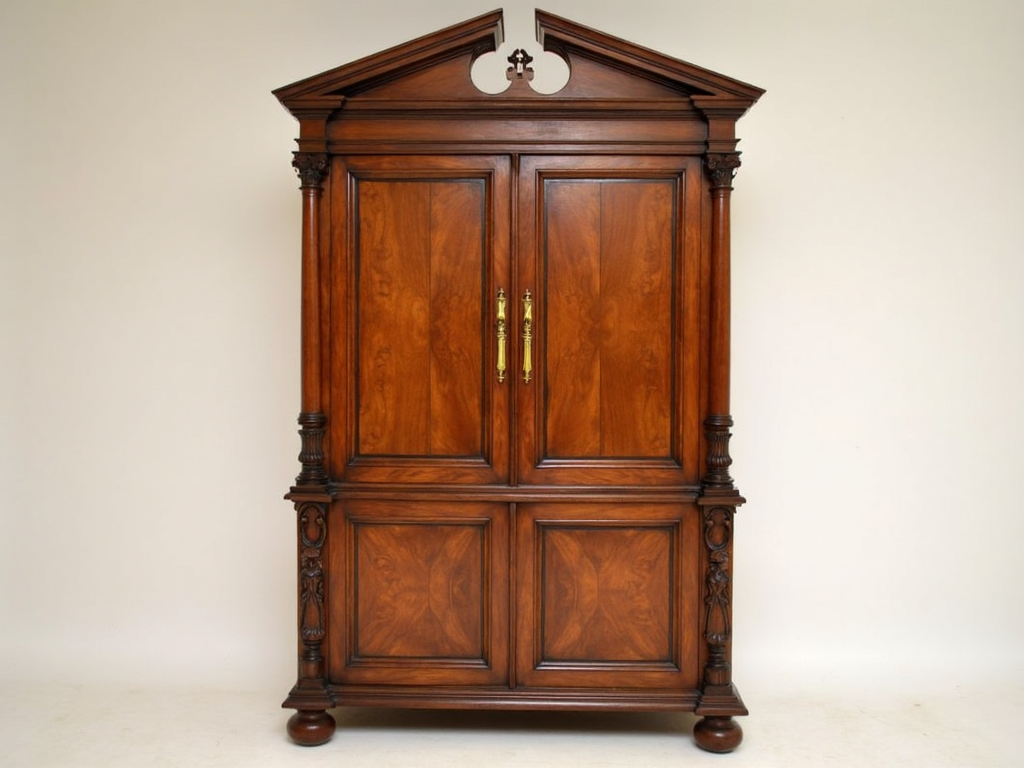
By the Renaissance, armoires got a makeover. Inspired by classical Greek and Roman art, they became more elegant and less bulky. Think columns, pilasters, and smooth walnut finishes. These weren’t just for storage anymore—they were showpieces for the rich.
I once read about a noble family commissioning an armoire with gold leaf accents. That kind of detail wasn’t unusual back then. Artisans poured their skills into every inch, making these pieces functional art. They were smaller too, easier to move around homes as living spaces changed. It’s incredible how furniture adapted to new ideas about beauty and practicality.
Baroque and Rococo: Drama and Playfulness
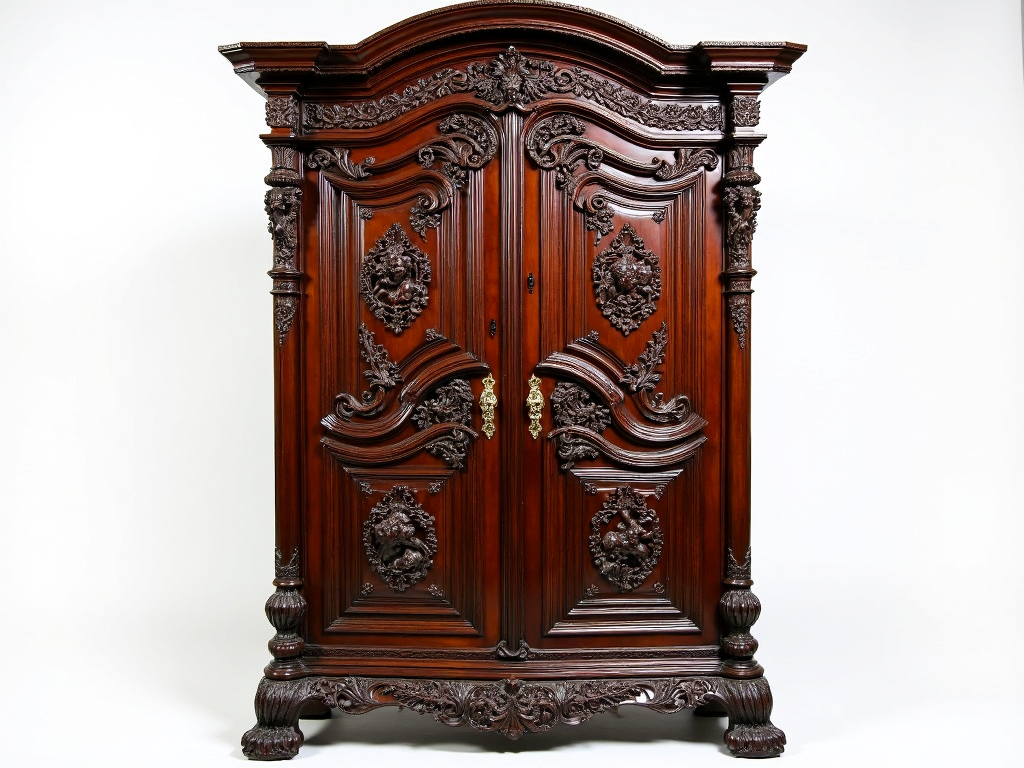
The Baroque period turned armoires into bold statements. Picture massive mahogany pieces with gilded carvings—cherubs, vines, the works. They screamed luxury and power, perfect for palaces. I’ve always thought these armoires were like the furniture version of a grand opera: loud, dramatic, and impossible to ignore.
Then came the Rococo style in the 1700s. These armoires were lighter, with curvy lines and playful details like flowers or shells. They fit beautifully in bedrooms or dressing rooms. The shift from heavy to delicate shows how tastes evolved, making furniture feel more personal and less imposing.
The Industrial Revolution: Armoires for Everyone
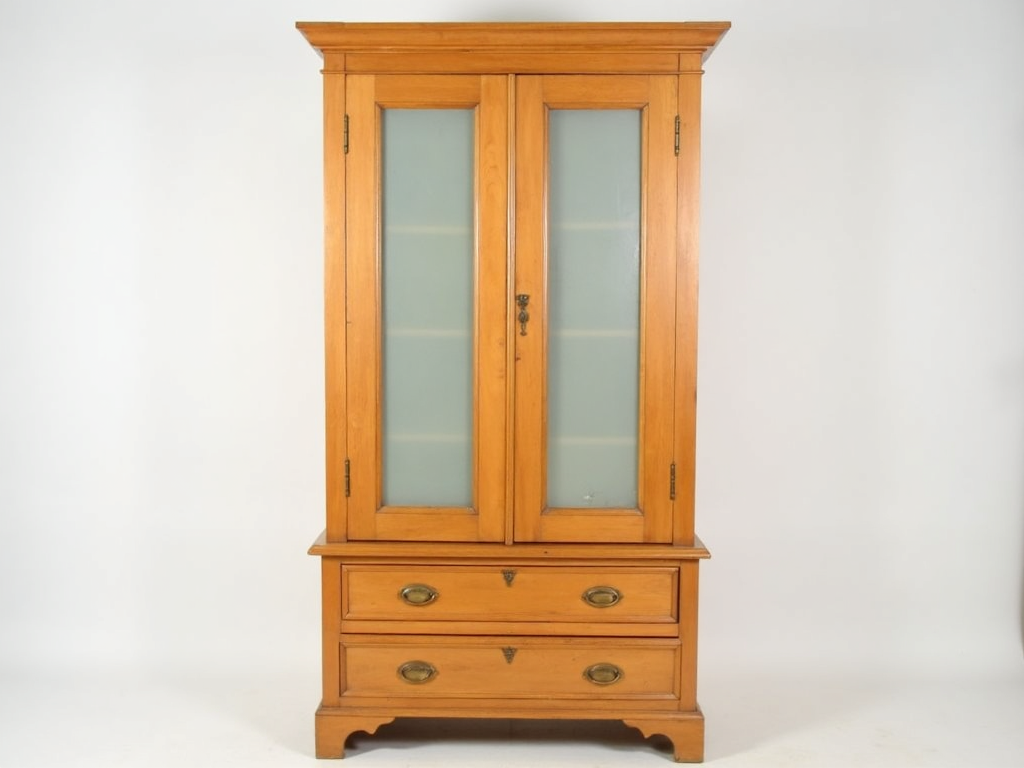
The Industrial Revolution changed everything. Suddenly, armoires weren’t just for the elite. Machines made them cheaper and faster to produce, so middle-class families could own them too. Materials like pine or cherry replaced pricey hardwoods, keeping costs down.
Designs got practical too. Shelves, drawers, and hanging rods appeared, making armoires more useful. In the Victorian era, you’d see both plain and fancy versions—some with glass doors, others with simple brass knobs. It’s fascinating how furniture became a bridge between necessity and style during this time.
20th Century Trends: Modern Twists
The 20th century brought fresh ideas to armoire design. Art Deco armoires had sleek shapes and bold colors—think glossy black with chrome accents. Mid-century modern took it further, using simple lines and materials like teak or even plastic. I love how these styles stripped away fussiness for something clean and timeless.
Functionality shifted too. As homes got smaller, armoires adapted. They started doubling as desks or TV stands. It’s a clever evolution—furniture that works harder to fit our lives.
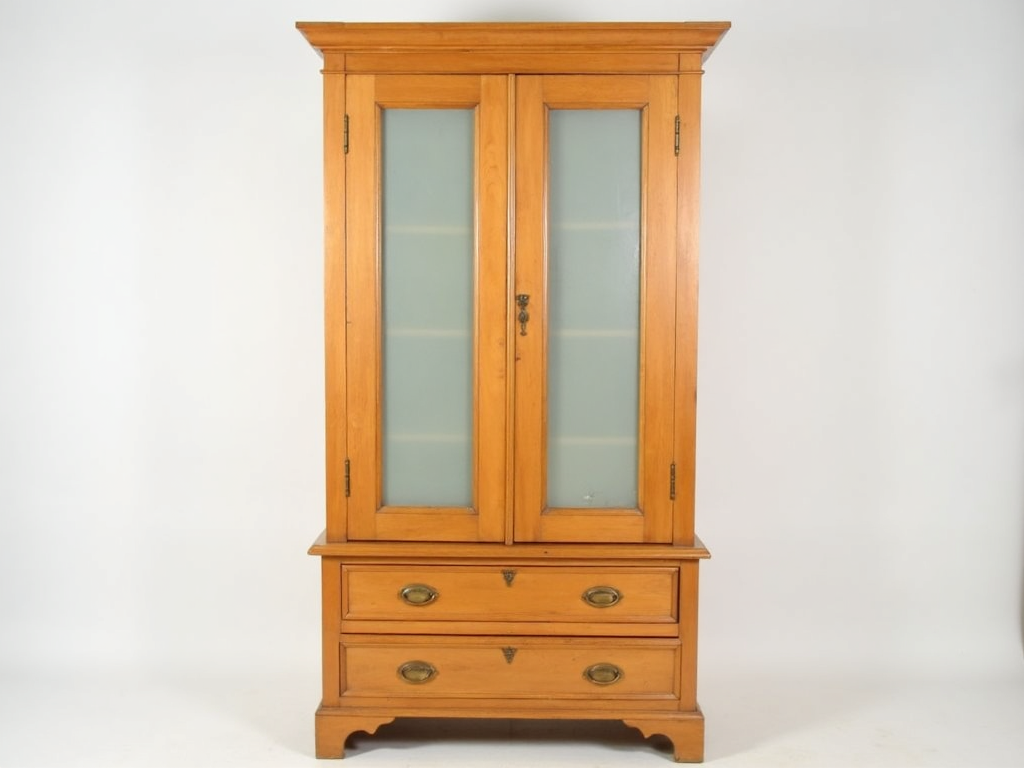
Today’s Space-Saving Furniture Armoires
Now, armoires shine as space-saving furniture. In small apartments, they’re lifesavers—hiding clothes, electronics, or even a fold-out desk. Modern designs use lightweight materials and adjustable shelves to maximize every inch. I’ve seen one in a friend’s studio that held a TV, books, and a mini office—all in one sleek package.
What’s cool is how they blend old charm with new needs. A mirrored door or carved detail nods to history, while the compact size fits our busy, urban lives. Armoires prove furniture can evolve without losing its roots.
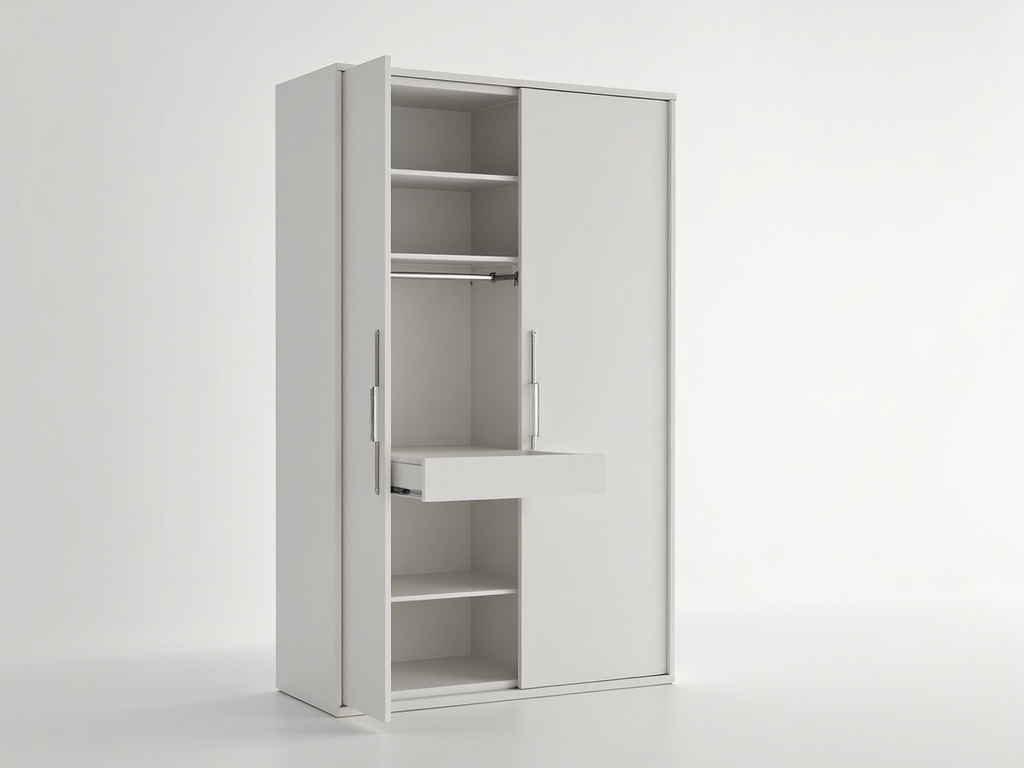
Why Armoires Still Matter
Armoires aren’t just relics—they’re survivors. Each era left its mark, from medieval strength to modern efficiency. They’ve carried armor, clothes, and now TVs, always adapting to what we need. I think their staying power comes from that mix of beauty and purpose.
If you’re picking one today, consider your space. A tall, narrow armoire works wonders in tight corners, while a wide one can anchor a room. They’re proof that good design lasts, no matter the century.
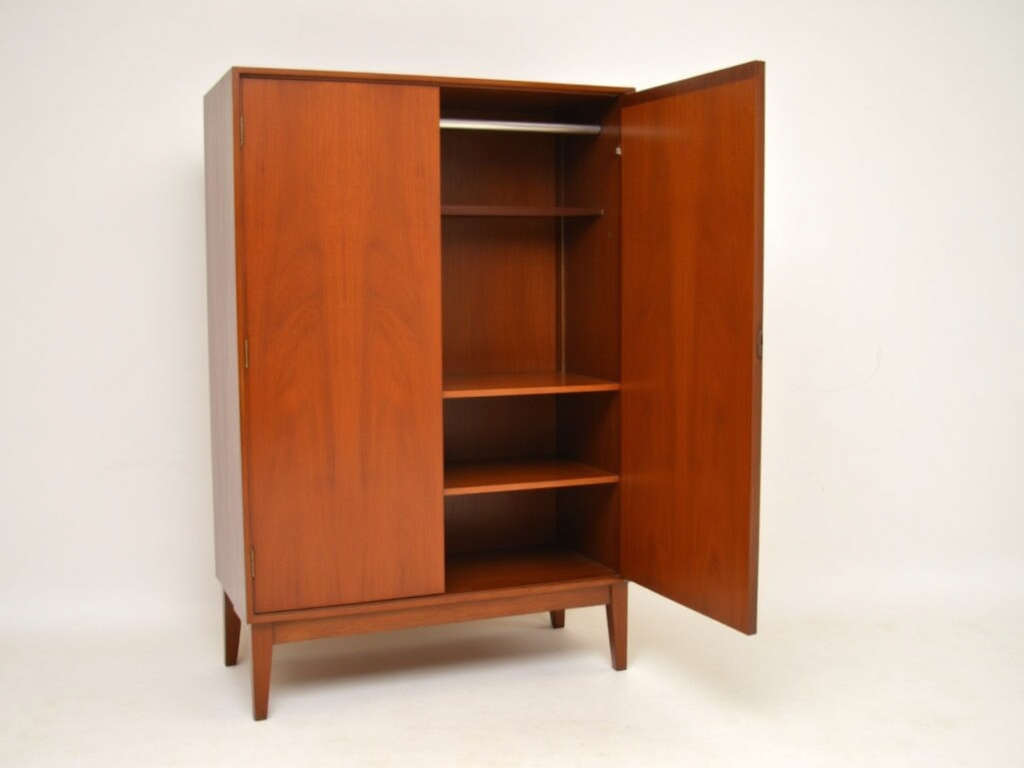
Final Thoughts
The history of armoires—from medieval times to modern designs—shows how furniture reflects our lives. They’ve gone from heavy armor chests to space-saving furniture armoires, keeping their place in homes worldwide. Whether you love history or just need smart storage, an armoire brings both to the table.